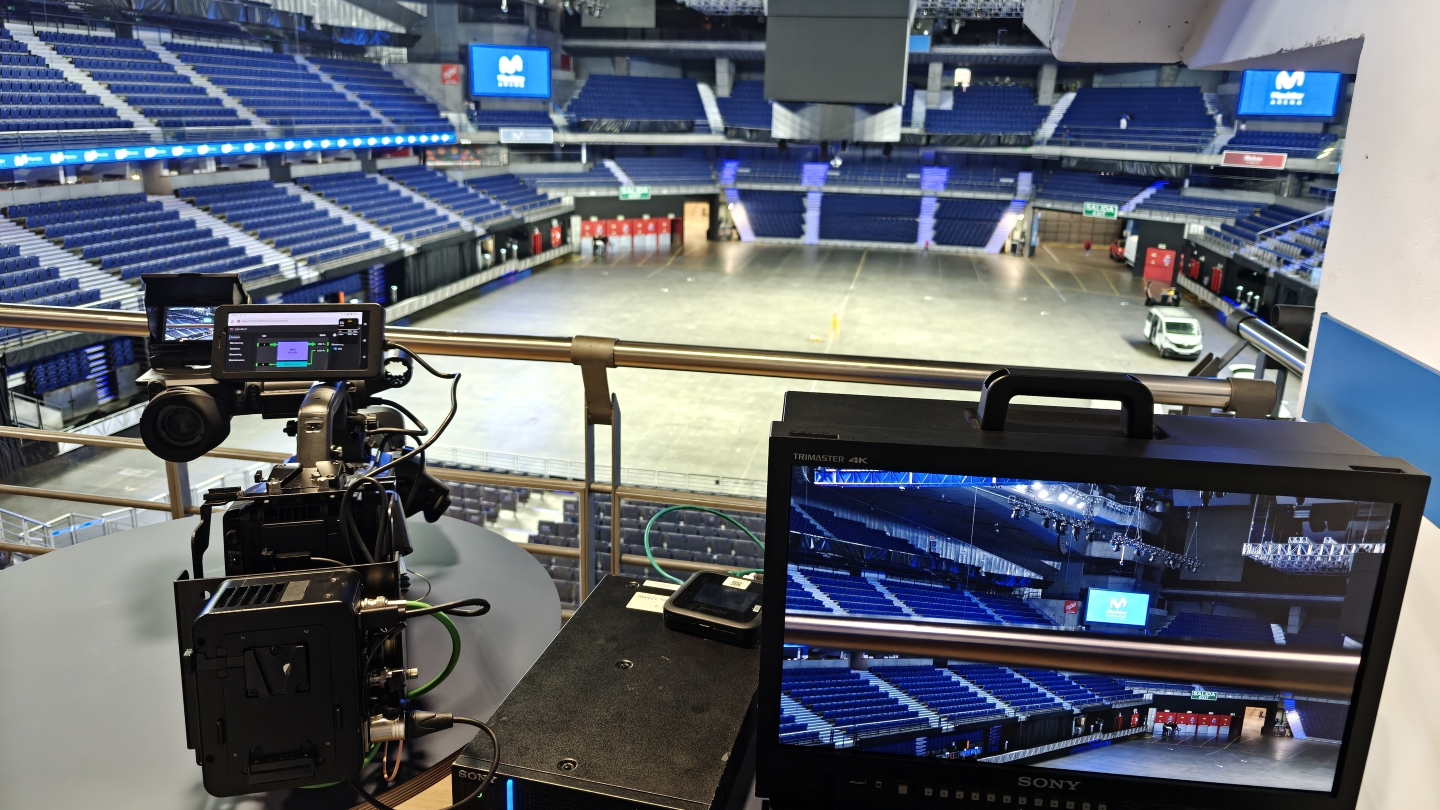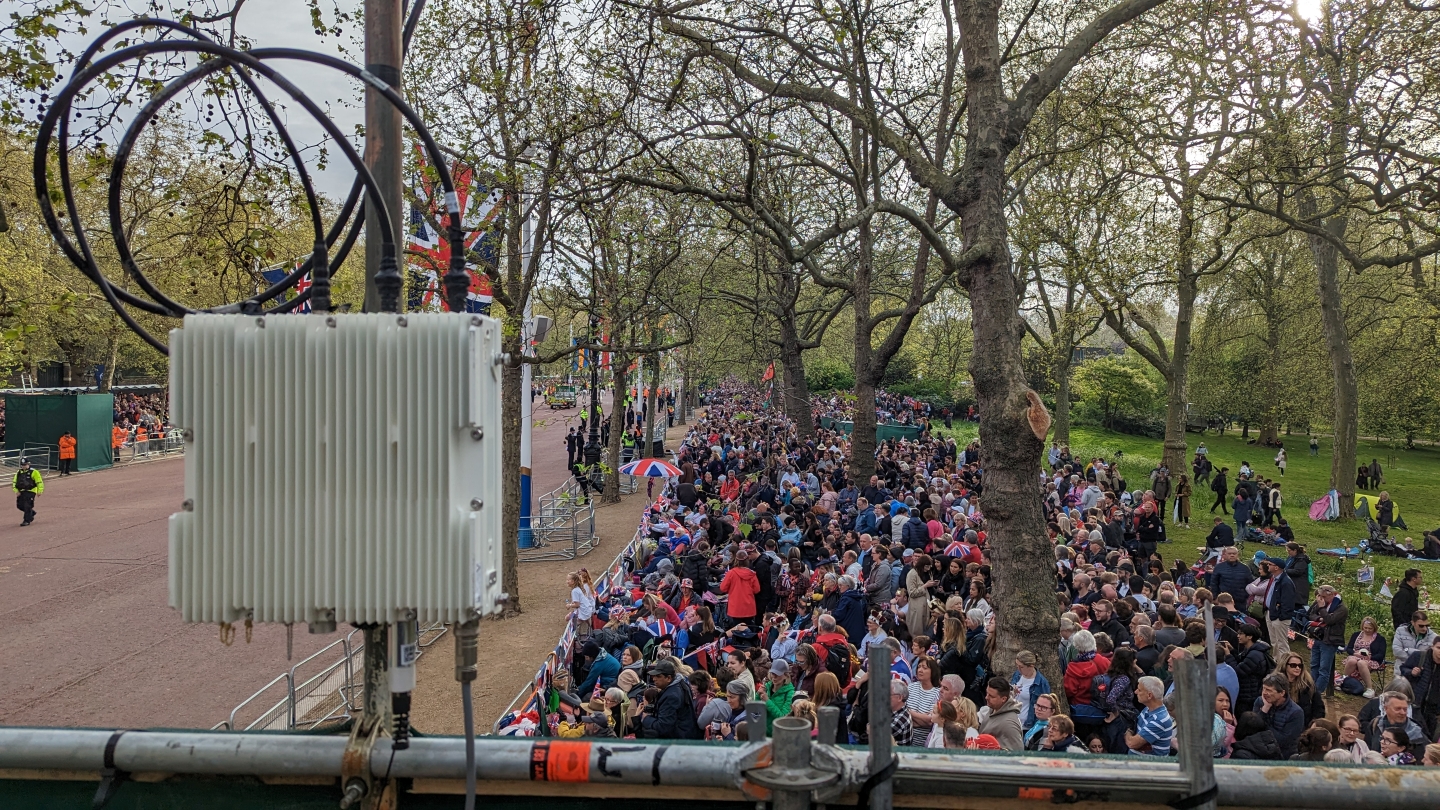
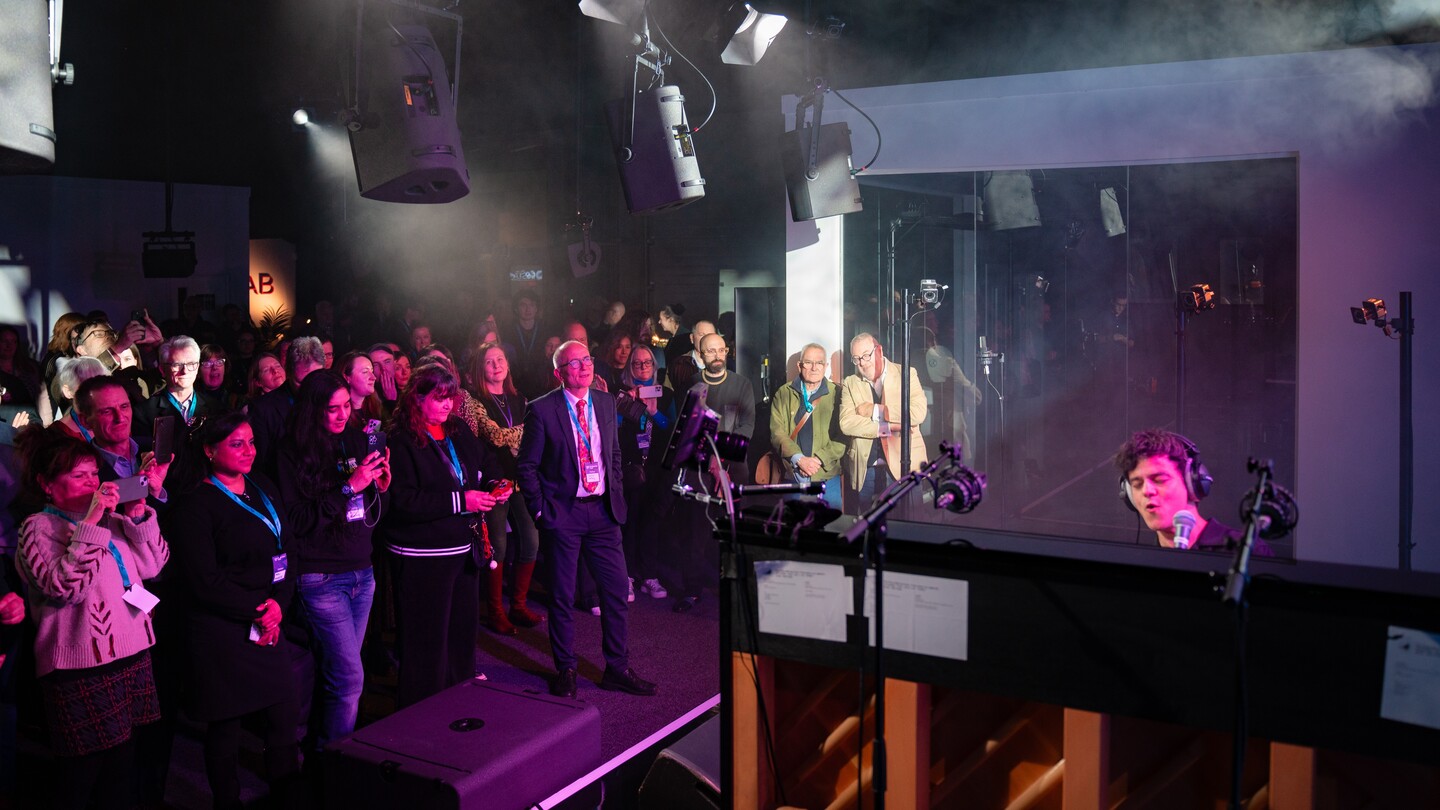
If the UK’s creative industries are to continue to add hundreds of billions of pounds in value to the country’s economy then much will rely on the success of a new network of tech labs exploring the future of media.
“The UK’s creative lifeblood is creative IP,” says James Bennett, director of CoSTAR National Lab. “How does that creative IP live on different platforms and reach audiences beyond screens in hybrid spaces? We need to see creative applications in 5G and 6G that work together with AI neural networks to create a future of holographic imagery, innovative live performance and enhanced mixed reality experiences.”
The CoSTAR Network is the evolution of the government funded Creative Industries Clusters Programme that ran ended in 2023 and spent...
You are not signed in
Only registered users can read the rest of this article.
.jpg)
Innovation Awards: Social Impact finalists deep dive
From UN-led dialogues on AI safety and ethics to automatic broadcast-grade sign language for live streaming, the Social Impact category is a tight race. Fergal Ringrose, Chair of Judges for the IBC Innovation Awards, analyses the judging panel’s top three competitors.
.jpg)
Workflow transformation: “AI should be making broadcasting more reliable, not more creative”
With AI’s potential reach in broadcast and media growing all the time, David Davies speaks to leading companies about their adventures in AI and uncovers why they believe the greatest potential resides in humans’ full creative control over the new toolsets.
.jpg)
IBC Content Everywhere: AI gets a reality check at IBC2026
From increasingly sophisticated monetisation strategies to progressively flexible business models, Content Everywhere companies map AI’s influence on the media industry and reveal their technological forecasts for IBC2026.
.jpg)
Content Everywhere stages: Groundbreaking tech and real-world results converge
IBC2026’s Content Everywhere hub in Hall 5 will host nearly 200 exhibitors showcasing multi-platform delivery and monetisation innovations, alongside two stages of panel discussions and live demonstrations.
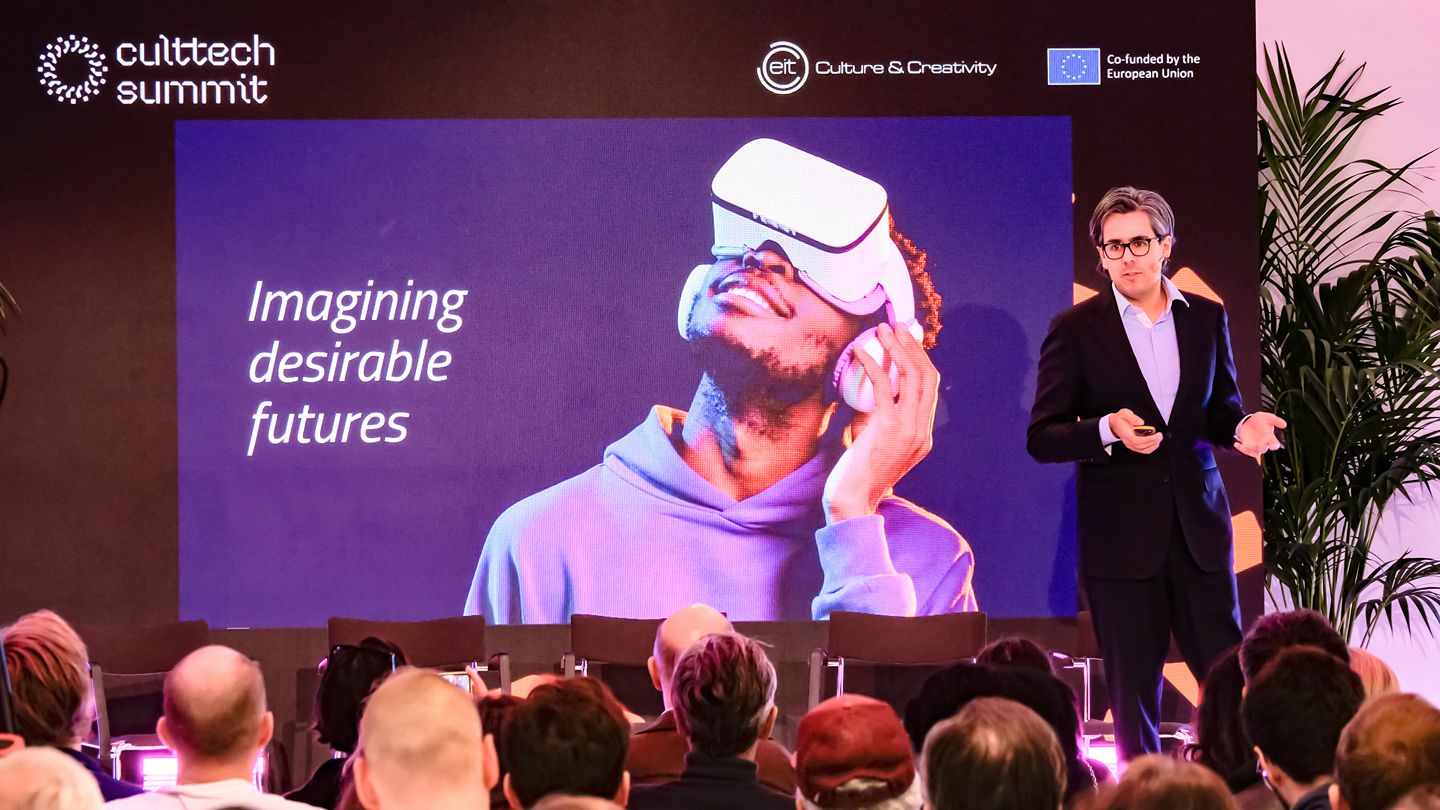
From AI production to immersive media: European innovators to watch at IBC2026
From generative production and AI-powered post-production to content discovery, immersive experiences and next-generation imaging, a group of EIT Culture & Creativity-backed ventures arriving at IBC2026 offers a snapshot of where European media innovation is heading next.