
The launch of the MXL project under the Linux Foundation looks to provide a pivotal shift in how media workflows operate, solving fundamental inefficiencies and incompatibilities that have long plagued digital media infrastructure.
Peter Brightwell, Lead R&D Engineer at the BBC, contextualises the Media eXchange Layer (MXL) project within the broader evolution of software-based production. “It’s come from the EBU’s Dynamic Media Facility initiative,” he says. “Over the last months, we’ve increasingly concentrated on the more immediate challenges that are blockers for the wider vision of a sort of all-software-based live production.”
You are not signed in
Only registered users can read the rest of this article.

Network Control: Turning 5G into a production tool
Speed, flexibility, and reliability – that’s the dream for many a live production. However, when public network coverage is patchy, what’s a broadcaster to do? The 2026 Accelerator Project, Network Control, deploys standardised network APIs to tackle this problem head-on.
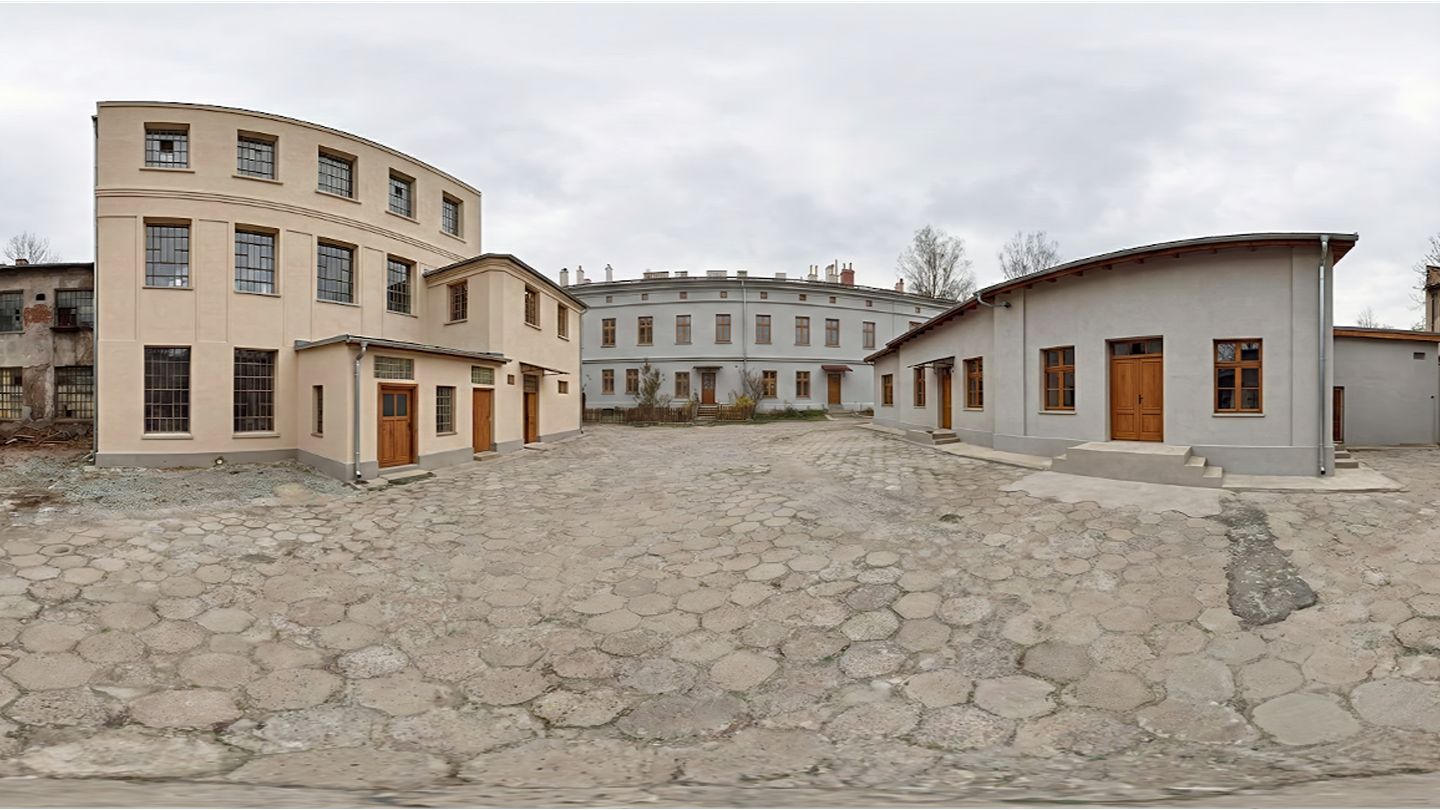
Film University Babelsberg to preview immersive Auschwitz project at IBC2026
Film University Babelsberg Konrad Wolf will present an immersive digital reconstruction of a little-known site associated with Auschwitz at IBC2026, as part of EIT Culture & Creativity's first major presence at the show.
.jpg)
Innovation Awards: Investigating 2026’s Content Creation finalists
What does it take to win a technological innovation award in content creation? Fergal Ringrose, Chair of Judges for the IBC Innovation Awards, assesses the top three projects in the running – revealing the key characteristics of each of the most competitive submissions.

Branded entertainment: Money, freedom, and audiences unite
As traditional broadcasters battle decreasing budgets and attention spans, brands have come to the fore as collaborators in an increasingly lucrative and creatively fertile strand of the media business.

FRAMES: Automating the archive end-to-end
Despite the availability of hundreds of generative AI tools, pre-production environments are still struggling to find a semantic archive search solution that is technically feasible and effective in the real world. Enter FRAMES.