BBC Director General Tim Davie has said the broadcaster’s mission to inform, educate and entertain is more vital than ever as it grapples with rapid technological change, disinformation and social division.
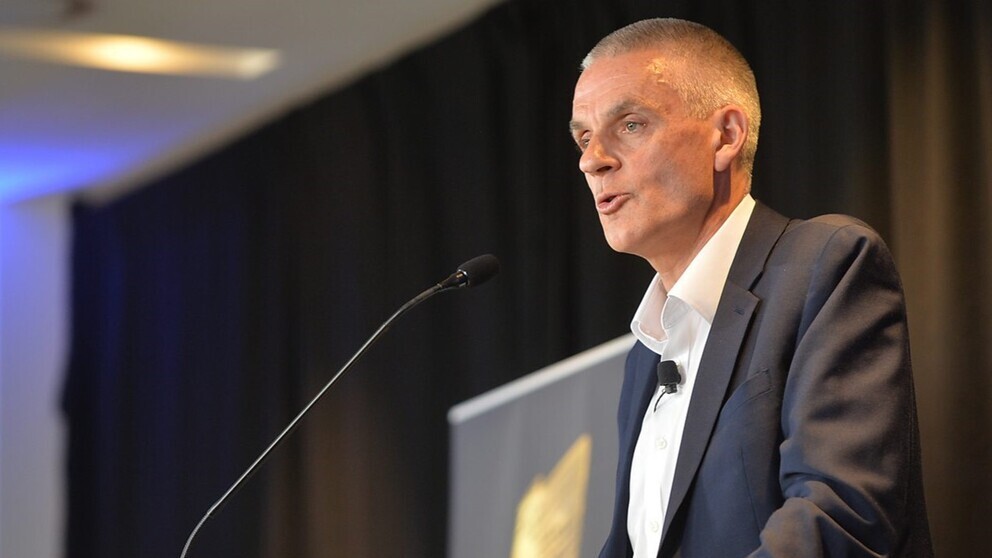
In a major speech at a Royal Television Society event, Davie also said the future funding of the BBC “will need reform”, adding: “I think it is right to ask fundamental questions about its longevity.”
But he also warned against unpicking “the very wonder of the BBC”.
“We should not create another commercial walled garden or a narrow BBC that provides a niche service for the most hardcore users,” Davie said.
He confirmed the BBC will look at funding options for the future, examining the merits of evolving the licence fee post-2028 to secure universal funding and assessing whether funding should be more progressive.
Davie stressed that the broadcaster has a central role in ensuring the UK retains a healthy democracy, a strong creative economy and a more cohesive society.
Davie said the BBC had been reforming at pace to remain at the heart of people’s daily lives, but must now go further.
He said the BBC would target resources, knowledge and knowhow in three key areas: pursuing truth with no agenda by reporting fearlessly and fairly; backing the best British storytelling by investing in homegrown talent and creativity; and bringing people together by connecting everyone to unmissable content.
“We stand at a significant moment. The jeopardy is high,” he told the audience. “The future of the UK, democratically, socially and culturally is at risk. And for us to succeed, far from following where the market is driving others, we must double down on what audiences see as our unique value.”
He said high inflation and increased costs as well as below inflation settlements “have chipped away at our income over many years and have put significant pressure on our finances”, alongside “forces reshaping the market and creating huge disruption to traditional broadcast-based organisations”.
“And it’s not just the future of the BBC and the Public Service Broadcasters that are at stake, it’s the future of our wider creative industries,” said Davie. “A world-class success story, but one we can’t afford to take for granted.”
Therefore, there was a need to target limited resources and create a leaner, focused public service BBC. This would include rebuilding the BBC’s digital products to offer a modern fully-integrated and more personalised and accessible service and boosting commercial income with new, major partnerships, investment and new capital.
You are not signed in
Only registered users can comment on this article.

Disney+ takes global rights to Formula E
Disney+ is to become the global streaming home of Formula E, the all-electric motorsports championships.
Google TV upgrades Freeplay streaming service
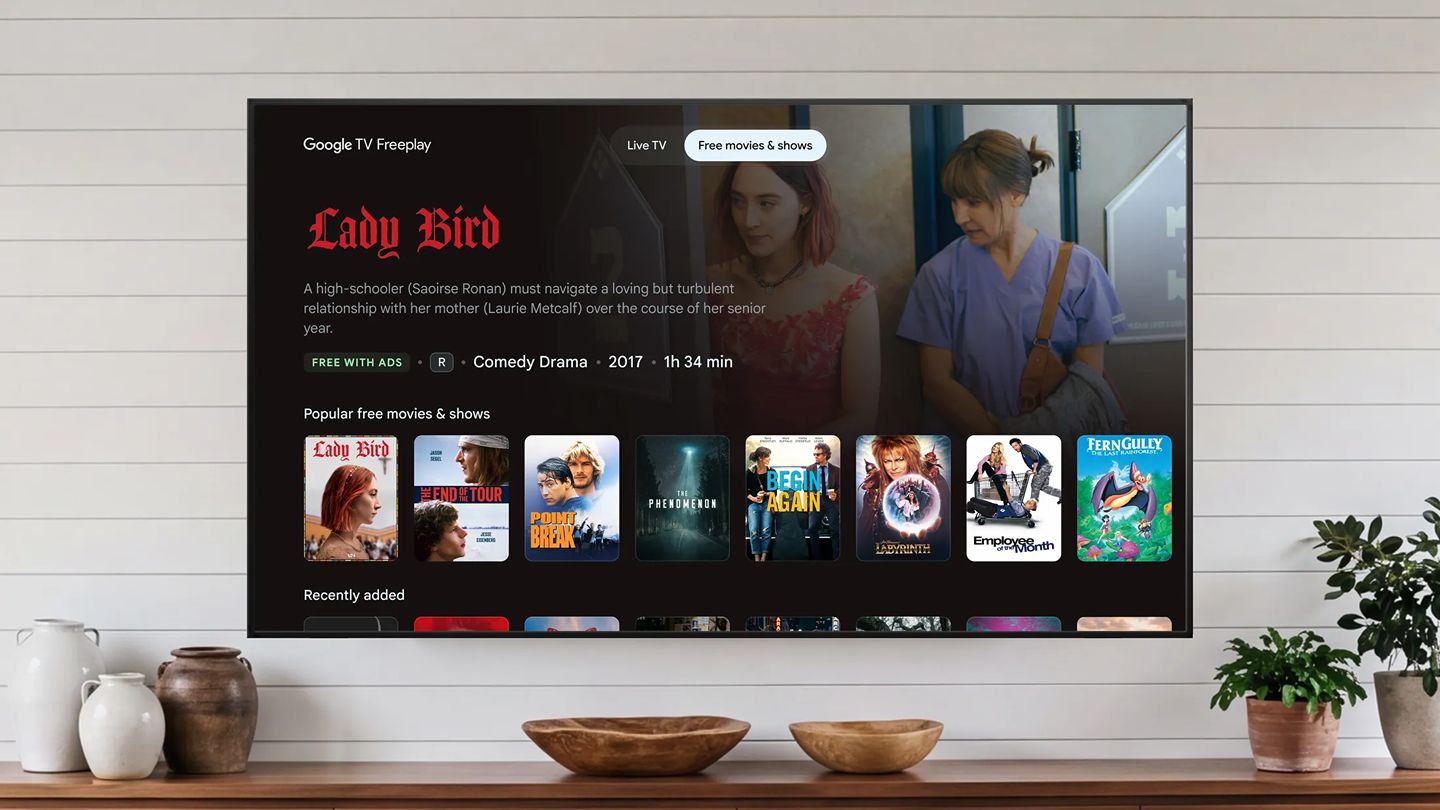
Google is upgrading its US free streaming service Google TV Freeplay, adding on-demand video to its FAST channel offering.

iPhone users outspend Android users on booming micro-dramas
iPhone users spend around 40% more on micro-drama apps than Android users, according to Omdia research, challenging common assumptions about who consumes and pays for the rapidly growing form of entertainment.
.jpg)
Full IBC2026 conference agenda: Innovators and technology leaders take to the stage
Exploring the three core pillars of IBC2026 – shifting business models, transformative tech, and people and purpose – this year's free-to-attend showfloor content programme will address the biggest issues impacting the global media and entertainment community.
OBS to receive IBC2026 International Honour for Excellence
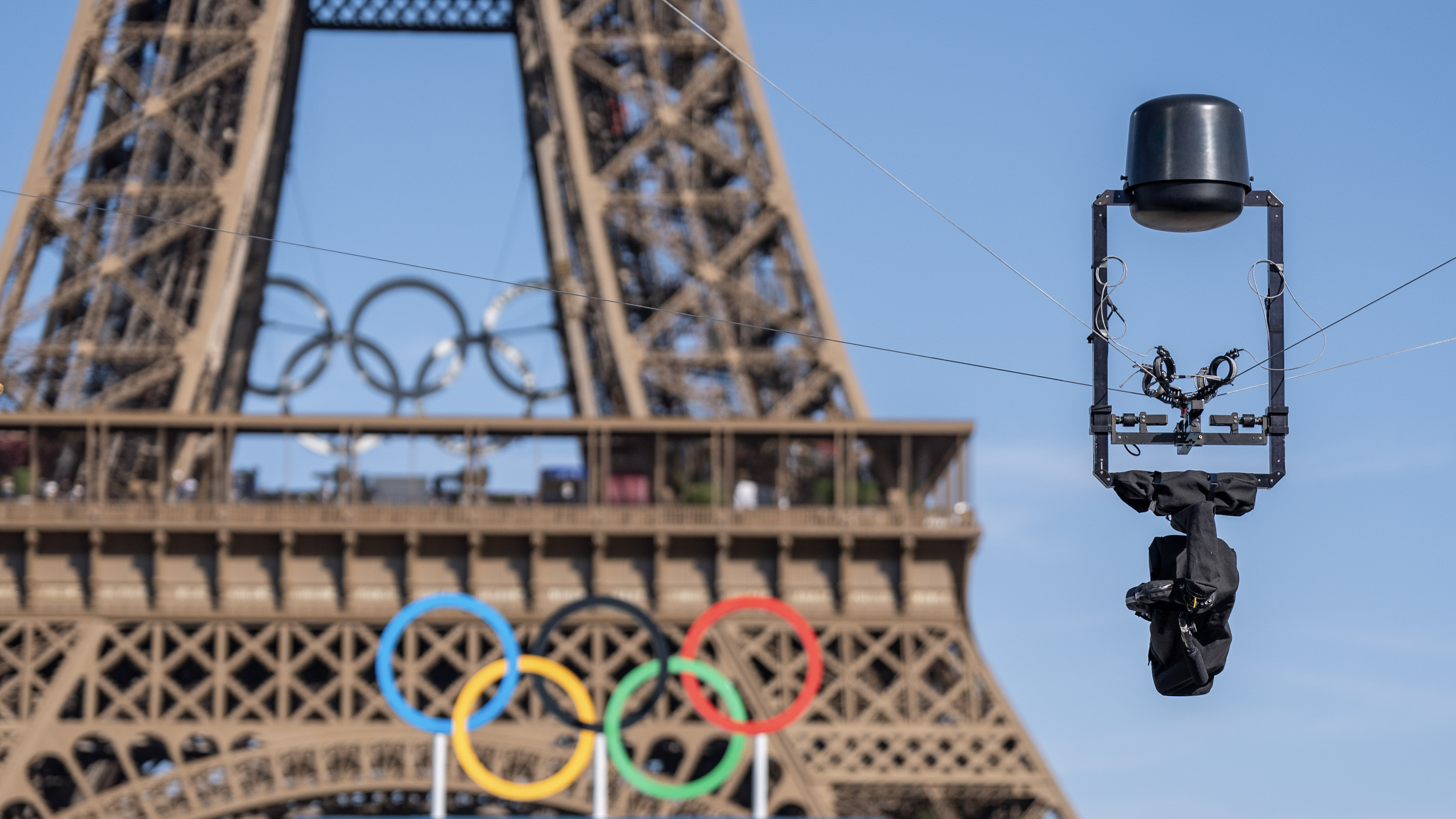
IBC will present the International Honour for Excellence (IHFE) to Olympic Broadcasting Services (OBS) – recognising the company’s decades of innovation in live sports production and its far-reaching impact on the global broadcast industry.
.jpg)