IBC Conference: Streamers are now as varied as audiences. There’s money to be made, but you have to put your fans first. Neal Romanek reports.
At first glance, the panel of streaming companies that took to the stage at the IBC Conference session ‘What next in streaming? Innovation and experimentation to win hearts, minds and eyes’, would seem to have little in common. As varied as streaming content platforms are, there are some challenges and recipes for success that they all share.
Mary Ann Halford, Principal at Halford Media Advisory, interviewed Brad Danks, CEO of OUTtv; Sarah Milton, Chief Product Officer at Everyone TV; DeShuna Elisa Spencer, Founder & CEO of kweliTV; and Elke Walthelm, COO at Sky Deutschland.
Some people still need to be reminded that streaming isn’t new. Walthelm explained that Sky Deutschland has been working on the problems of streaming for 20 years now. The company now has a pure streaming app, WOW, but the broadcaster’s content strategy is dictated by the viewing habits of the customers, which requires nuance and sometimes hard choices.
“Germany is quite a crowded market,” Walthelm said. “When you look at the market you need to look at the whole of the competition over time.”
In addition to WOW, which is aimed at those on-demand viewers who know what they want to watch, Sky Deutschland also offers its Sky Stream box which aggregates multiple channels and streaming platforms. The important thing for Walthelm is to make it easy for the customer and to meet them where they are.
Reaching diverse audiences
OUTtv is the world’s first and biggest content platform dedicated to LGBTQ+ content. Launched in Canada in 2001 as a cable station, OUTtv now reaches a global audience
that soon will include Taiwan’s biggest cable provider. The platform produces about half of its own content, which gives them control over their content as well as more direct link with their audience.
“You can’t depend on what is being made elsewhere,” said OUTtv’s Brad Danks. “Our audience is looking for very authentic representation which isn’t out there. It forces us to make our own content, which gives us a competitive advantage.”
KweliTV was also born out of an inadequately served demographic with founder DeShuna Elisa Spencer, tired of the huge gap in quality programming by and for Black people globally.
“The idea came out of frustration to be honest,” she said. “As a black American, I didn’t see stories that properly represented me. Also, the stories about Africans that were seen in the US were very stereotypical.
“Black Americans are more likely to watch network TV but less likely to be represented on it.”
Spencer also wanted to create a home for black talent.
“There are so many amazing filmmakers but they’re not getting seen. So I wanted to create a space where diverse filmmakers can get their films seen and they can make money off it.”
And kweliTV’s support for its creators is more than just marketing talk: “60% of our revenue goes back to our content creators. And I’ve spoken to 90% of our creators personally.”
UK market and Freely
The goal of Everyone TV is to make TV free to access by everyone in the UK. Its Freely product is a platform built into Smart TV’s, that brings together streaming and on-demand content.
“It’s all about ensuring UK audiences can continue to enjoy free tv in the streaming age,” said Everyone TV’s Sarah Milton.
Again, the driving purpose is serving a specific audience.
“Freely has more content available than any other streaming service. And that content has a connection with its audience. UK audiences vastly prefer UK broadcaster content for shows to watch together with people as part of a community.”
She notes that support from the UK industry has been critical for Everyone TV’s success.
“Collaboration has been everything for us. UK broadcasters collaborate in a way that is unique in the world.”
.jpg)
Content Everywhere stages: Groundbreaking tech and real-world results converge
IBC2026’s Content Everywhere hub in Hall 5 will host nearly 200 exhibitors showcasing multi-platform delivery and monetisation innovations, alongside two stages of panel discussions and live demonstrations.
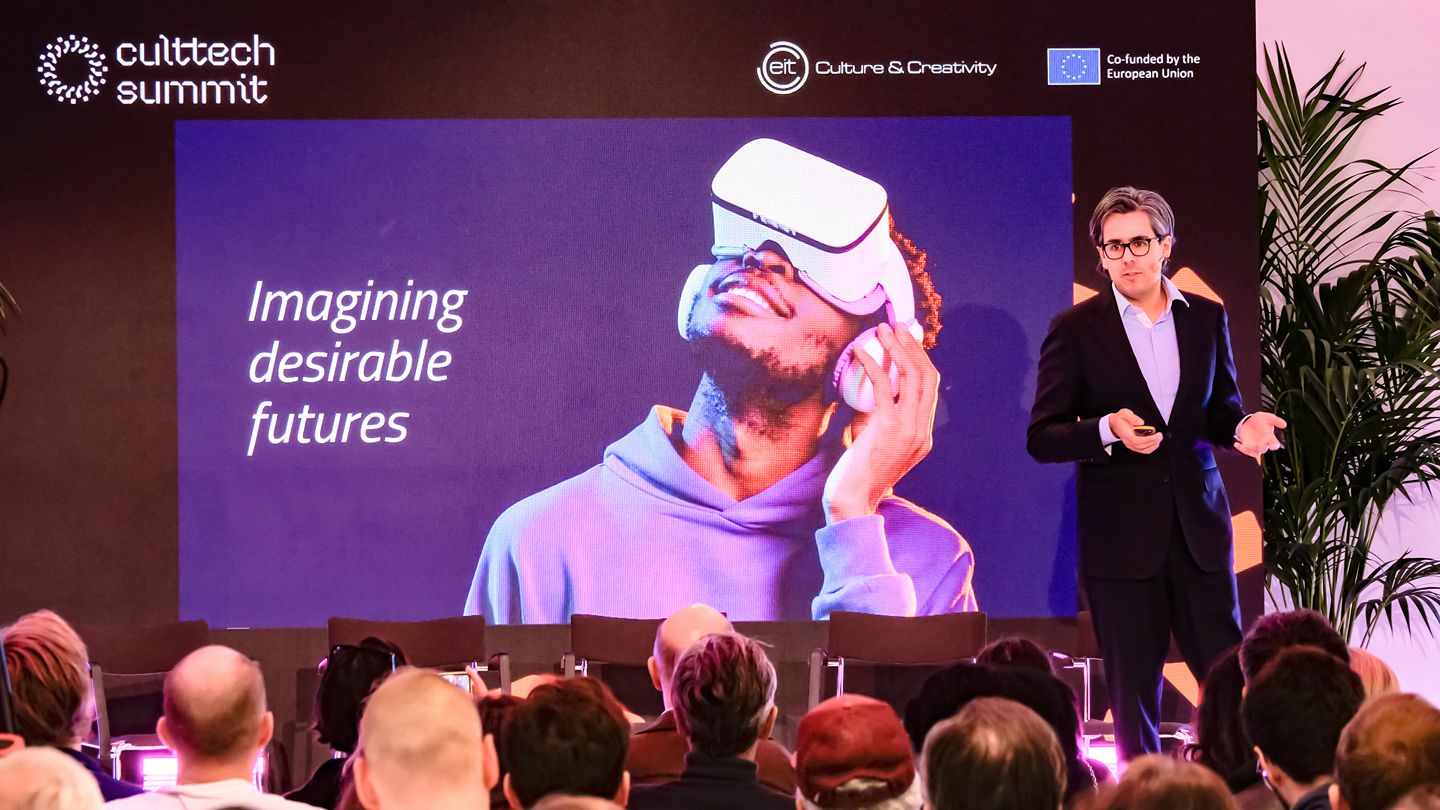
From AI production to immersive media: European innovators to watch at IBC2026
From generative production and AI-powered post-production to content discovery, immersive experiences and next-generation imaging, a group of EIT Culture & Creativity-backed ventures arriving at IBC2026 offers a snapshot of where European media innovation is heading next.
.jpg)
Innovation Awards: Exploring Content Distribution's final three
Amid a sea of competitive entries, Fergal Ringrose, Chair of Judges for the IBC Innovation Awards, breaks down the shortlisted Content Distribution entries to demonstrate exactly what got them over the line.

Network Control: Turning 5G into a production tool
Speed, flexibility, and reliability – that’s the dream for many a live production. However, when public network coverage is patchy, what’s a broadcaster to do? The 2026 Accelerator Project, Network Control, deploys standardised network APIs to tackle this problem head-on.
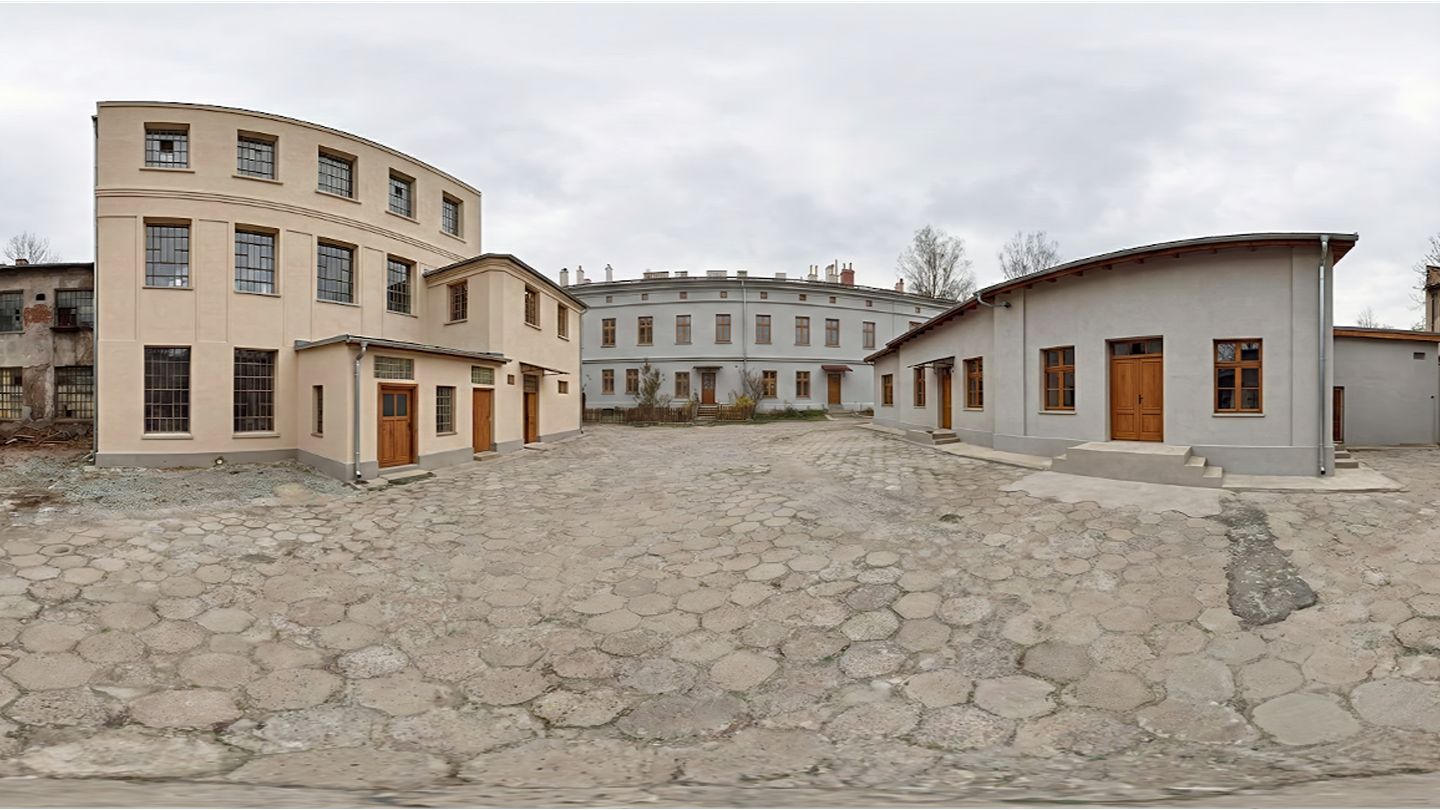
Film University Babelsberg to preview immersive Auschwitz project at IBC2026
Film University Babelsberg Konrad Wolf will present an immersive digital reconstruction of a little-known site associated with Auschwitz at IBC2026, as part of EIT Culture & Creativity's first major presence at the show.