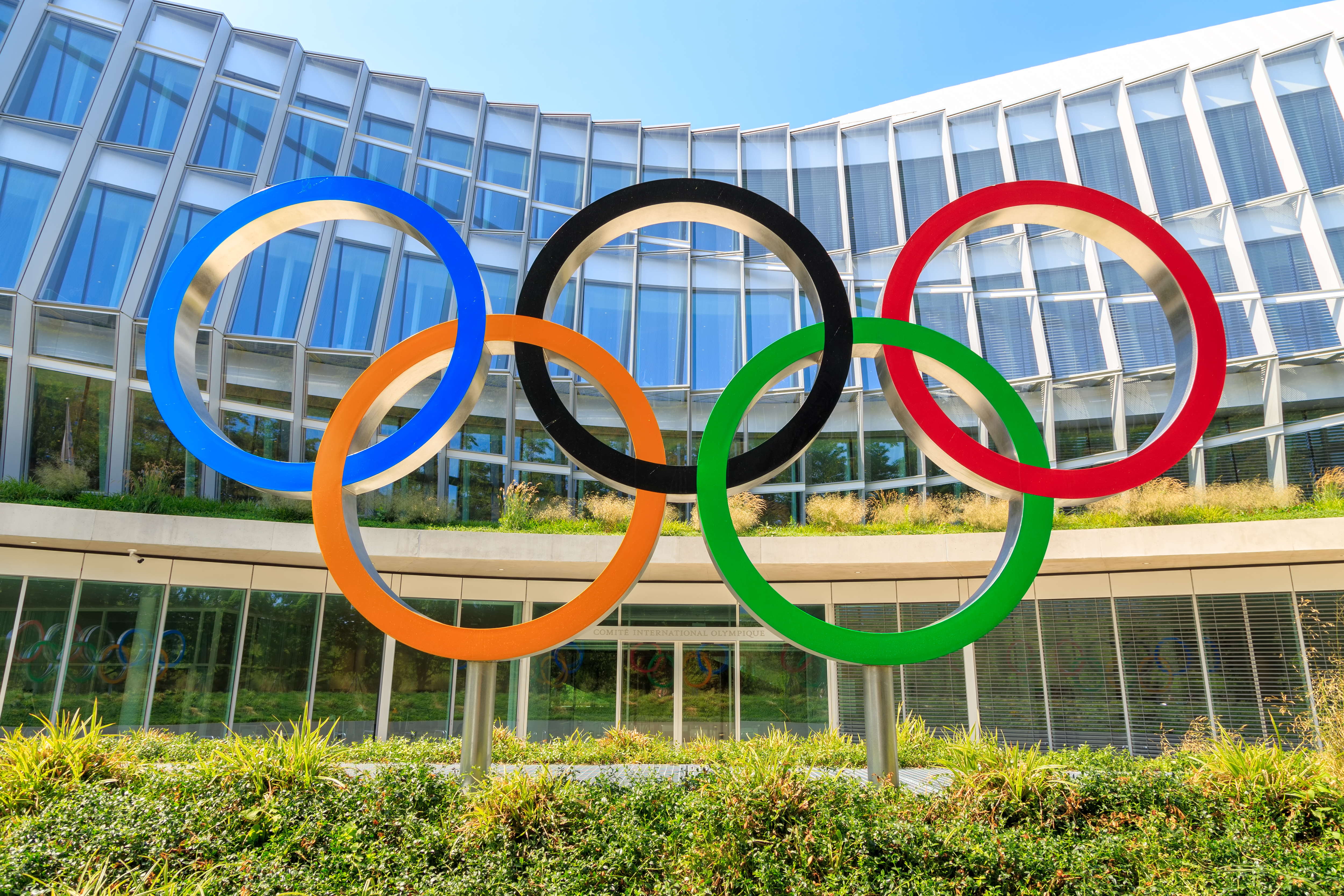
Italian public service broadcaster Rai and the European Broadcasting Union (EBU) are conducting new 5G broadcast trials during the Milano Cortina 2026 Olympic Winter Games, which run from 6-22 February 2026.
The pre-commercial trials will explore how 5G broadcast can leverage resilient broadcast tower infrastructure to expand live, free-to-air delivery to smartphones and other end-devices, especially for demanding use-cases such as live coverage of major sports events and the delivery of essential services to mobile phones in emergencies.

The trials build on demonstrations of the technology during the Paris Olympics 2024.
Unlike conventional mobile streaming, 5G broadcast is designed to deliver the same content to an unlimited number of users without congesting mobile networks or consuming user data allowances.
The system reportedly combines the efficiency of traditional terrestrial broadcasting (DTT) with 5G technology to achieve a high level of geographic coverage and a great number of addressable devices. The result is a single, standardised approach that can support live video and audio services, but also emergency alerts on any compatible mobile phone.
The Milano Cortina trials continue Rai’s pre-commercial, large-scale trials that have been running since early 2025. During this winter’s Olympic Games, the partners will evaluate reception, service robustness, and user experience in the metropolitan areas of Rome and Turin and assess how broadcasters could integrate 5G broadcast into hybrid distribution strategies.
“Major events like the Olympics are the ultimate stress-test for new distribution technologies,” said Gino Alberico, Director of the Rai-Centre for Research and Innovation. “With 5G broadcast, we can bring live content directly to compatible devices with broadcast efficiency – opening the door to better coverage, improved resilience, and new ways to reach audiences on the move.”
Antonio Arcidiacono, Chief Technology Officer (CTO) and Chief Information Officer (CIO) at the European Broadcasting Union (EBU), added: “Paris 2024 showed that 5G broadcast can move beyond the lab, with demonstrations on hundreds of consumer devices. Milano Cortina 2026 is another important step: validating performance in a real operative environment, helping align the ecosystem, from broadcasters and network operators to chipset and handset manufacturers, around a shared, interoperable standard that can deliver live content day after day and simultaneously increase resilience in case of emergencies.”
The EBU holds Olympic media rights in Europe, together with Warner Bros. Discovery (WBD), through 2032, supporting broad free-to-air coverage for television and digital platform audiences across the European continent.
Adrian Pennington recently investigated how Milano Cortina 2026 is set to deploy everything from a massive virtualised production setup and first-person-view drones to expanded real-time 360° replays. Discover more here.
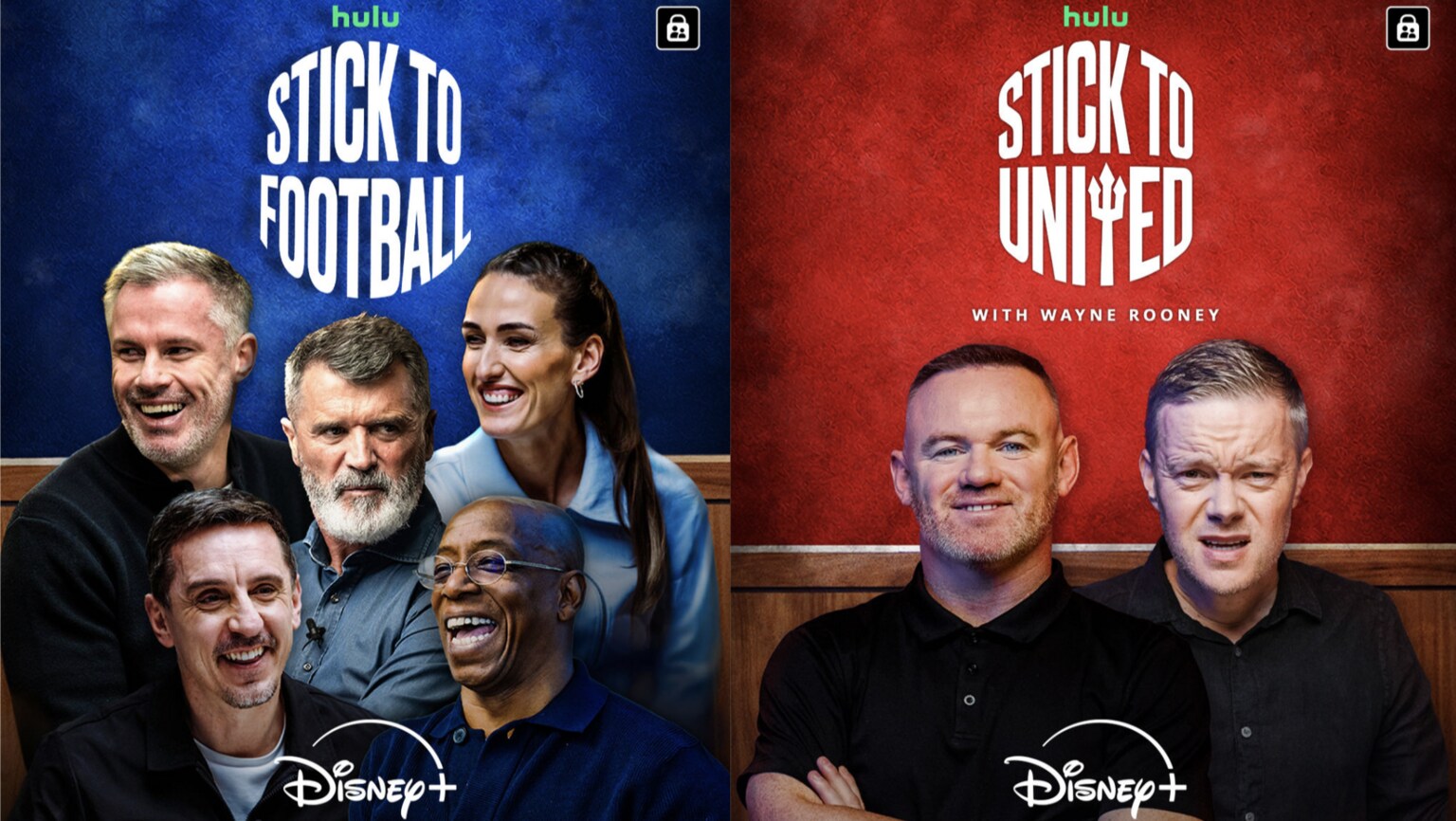
Disney+ strikes broadcasting deal with Overlap’s Stick to Football podcast
Disney+ has signed a one-year agreement to broadcast The Overlap network's Stick to Football podcast and a new show, named Stick to United with Wayne Rooney.

Paramount says Warner Bros Discovery deal has secured global regulatory approval
Paramount Skydance Corporation has claimed it secured regulatory clearance for its acquisition of Warner Bros Discovery in all countries that have investigated the deal.
 (1).jpg)
KAI to launch AI storytelling trials at IBC2026
At IBC2026, KAI, backed by EIT Culture & Creativity, will launch dedicated trial environments that enable production companies to test the platform on their own productions, using their own audiovisual content and workflows rather than working from a generic demonstration.
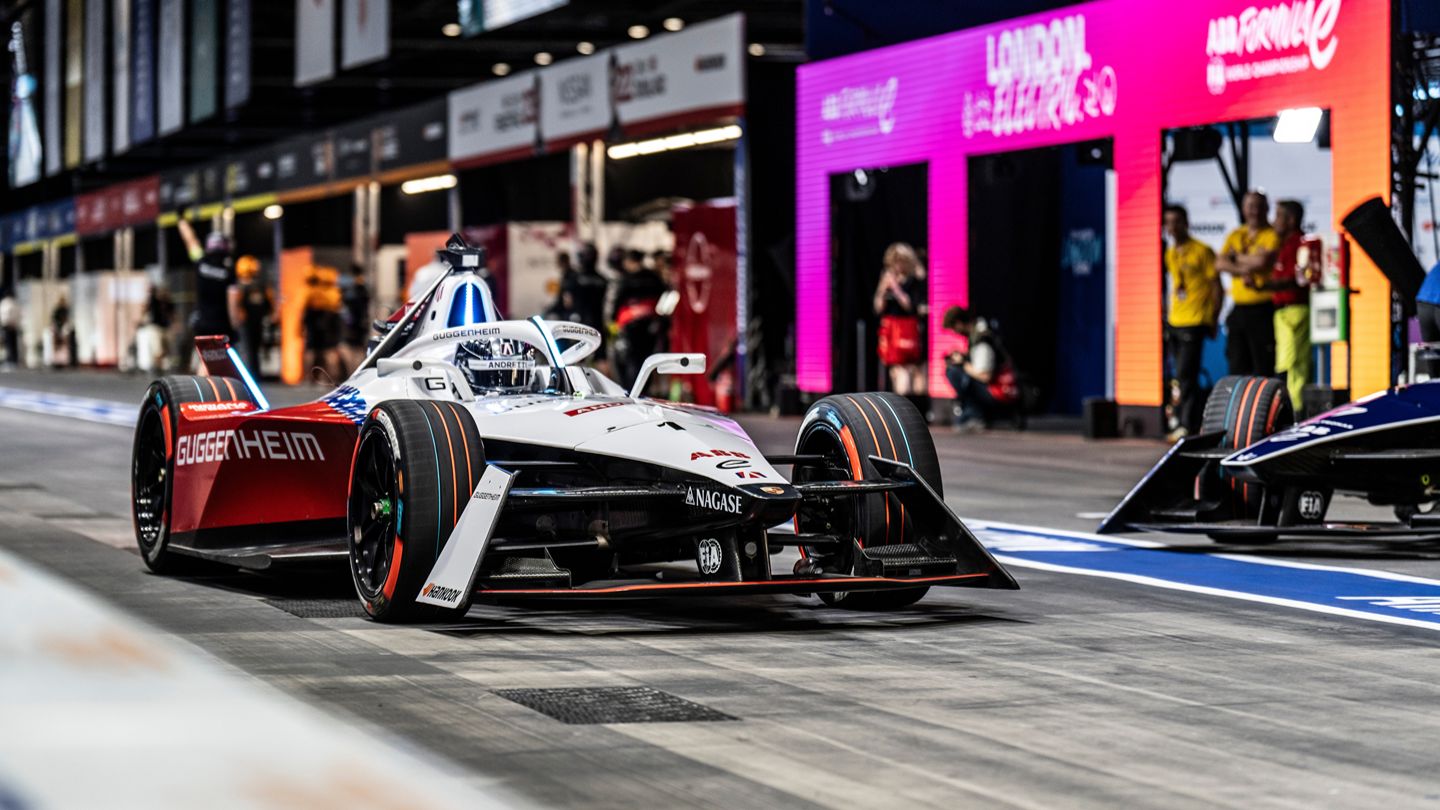
Disney+ takes global rights to Formula E
Disney+ is to become the global streaming home of Formula E, the all-electric motorsports championships.
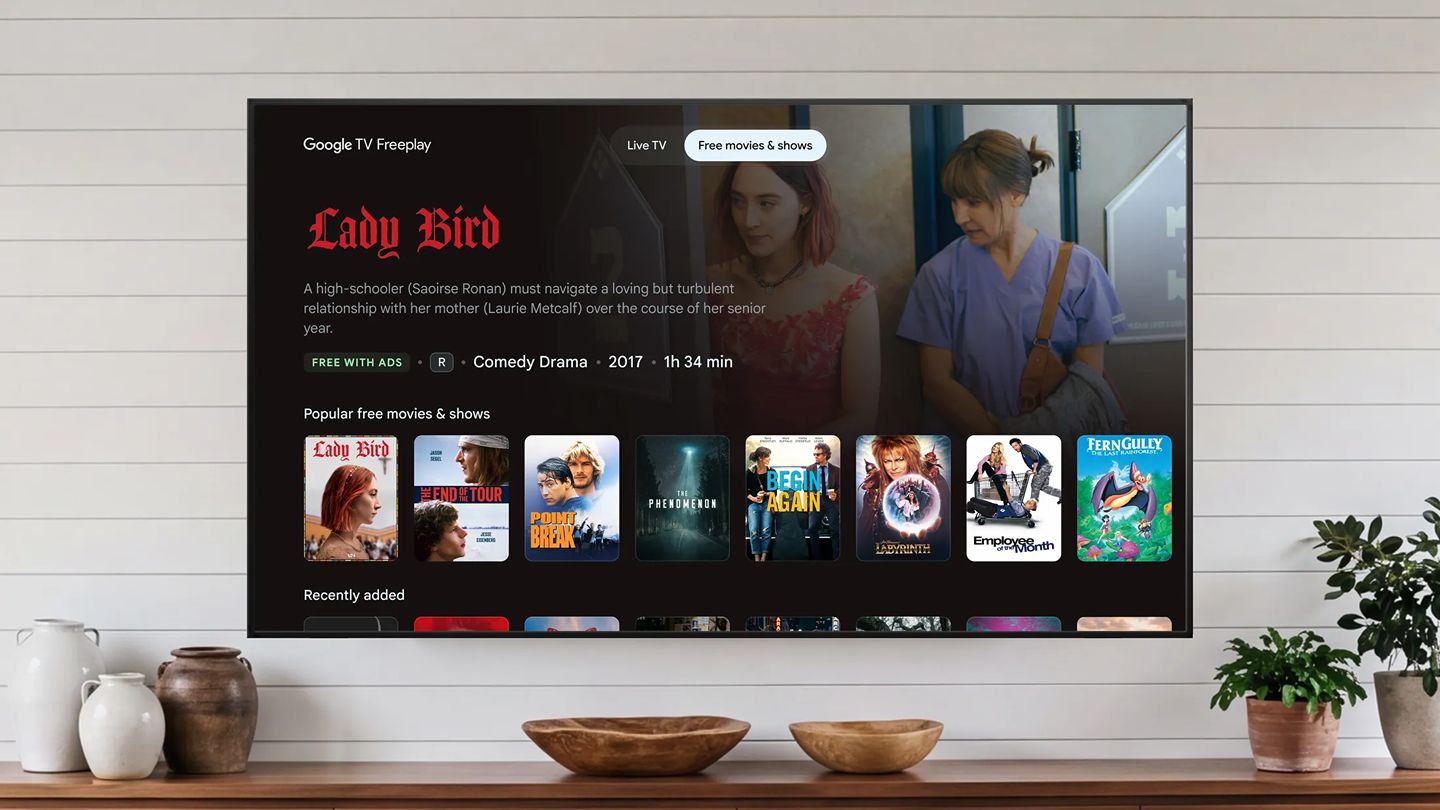
Google TV upgrades Freeplay streaming service
Google is upgrading its US free streaming service Google TV Freeplay, adding on-demand video to its AVOD channel offering.