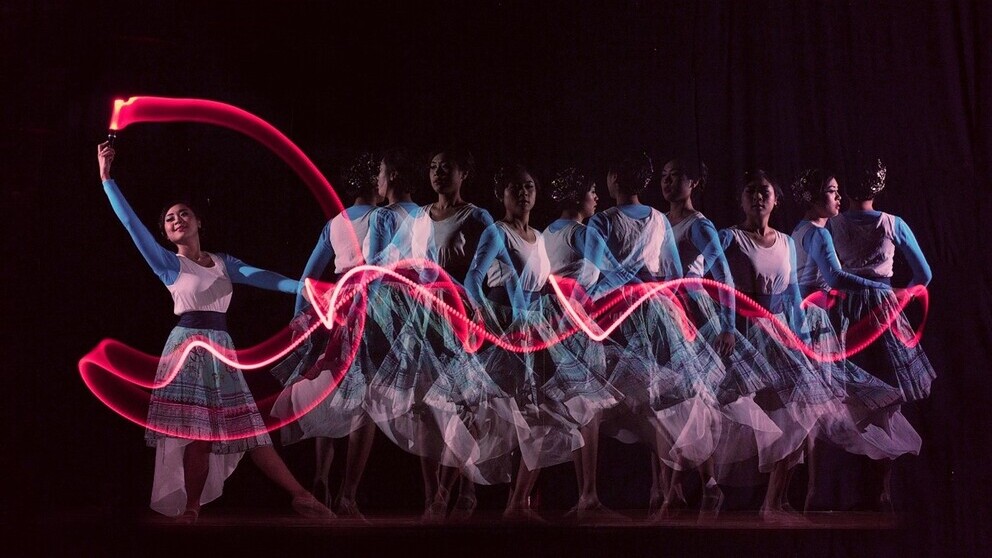
The 5G Motion Capture for Performance Art and Animation project is one of the eight Challenges in the cohort for the IBC2023 Accelerator Media Innovation Programme. The project is championed by Vodafone Group, Curing Kids Cancer, Outernet Global, Production Park, University of Strathclyde, Goldsmiths University, and the participants are Singular.live, D&B Solutions, Noitom and AMD.
The specific challenge as stated on the project site is:
This ambitious Challenge will combine two previous Accelerator Award powerhouse winning teams under one umbrella to harness the powers of 5G indoors, this time focusing on two unique, creative workstreams that will both power live, cutting-edge motion capture and low-latency connectivity into creative output, focusing on the performing arts, and 3D animation into children’s hospitals.
The first Performing Arts workstream will use the latest in FPGA (Field Programmable Gate Array) innovations and will aim to demonstrate Ultra Low Latency 5G private networks to support the creation of new, immersive audience experiences for those at a live (or, as-live) performance/venue, and those engaging remotely in another performance/venue...
You are not signed in
Only registered users can read the rest of this article.
Film University Babelsberg to preview immersive Auschwitz project at IBC2026
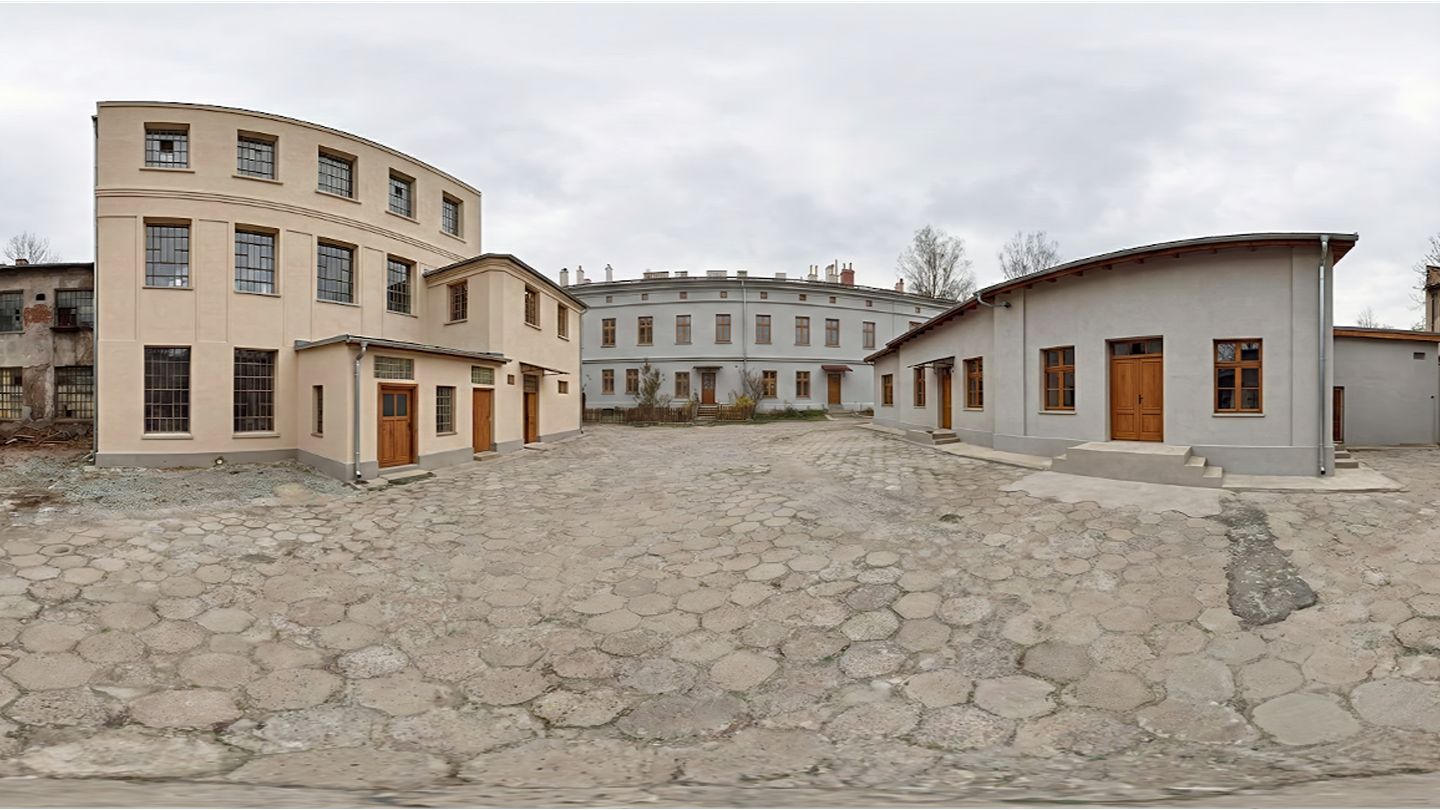
Film University Babelsberg Konrad Wolf will present an immersive digital reconstruction of a little-known site associated with Auschwitz at IBC2026, as part of EIT Culture & Creativity's first major presence at the show.
.jpg)
Innovation Awards: Investigating 2026’s Content Creation finalists
What does it take to win a technological innovation award in Content Creation? Fergal Ringrose, Chair of Judges for the IBC Innovation Awards, assesses the top three projects in the running – revealing the key characteristics of each of the most competitive submissions.
Branded entertainment: Money, freedom, and audiences unite
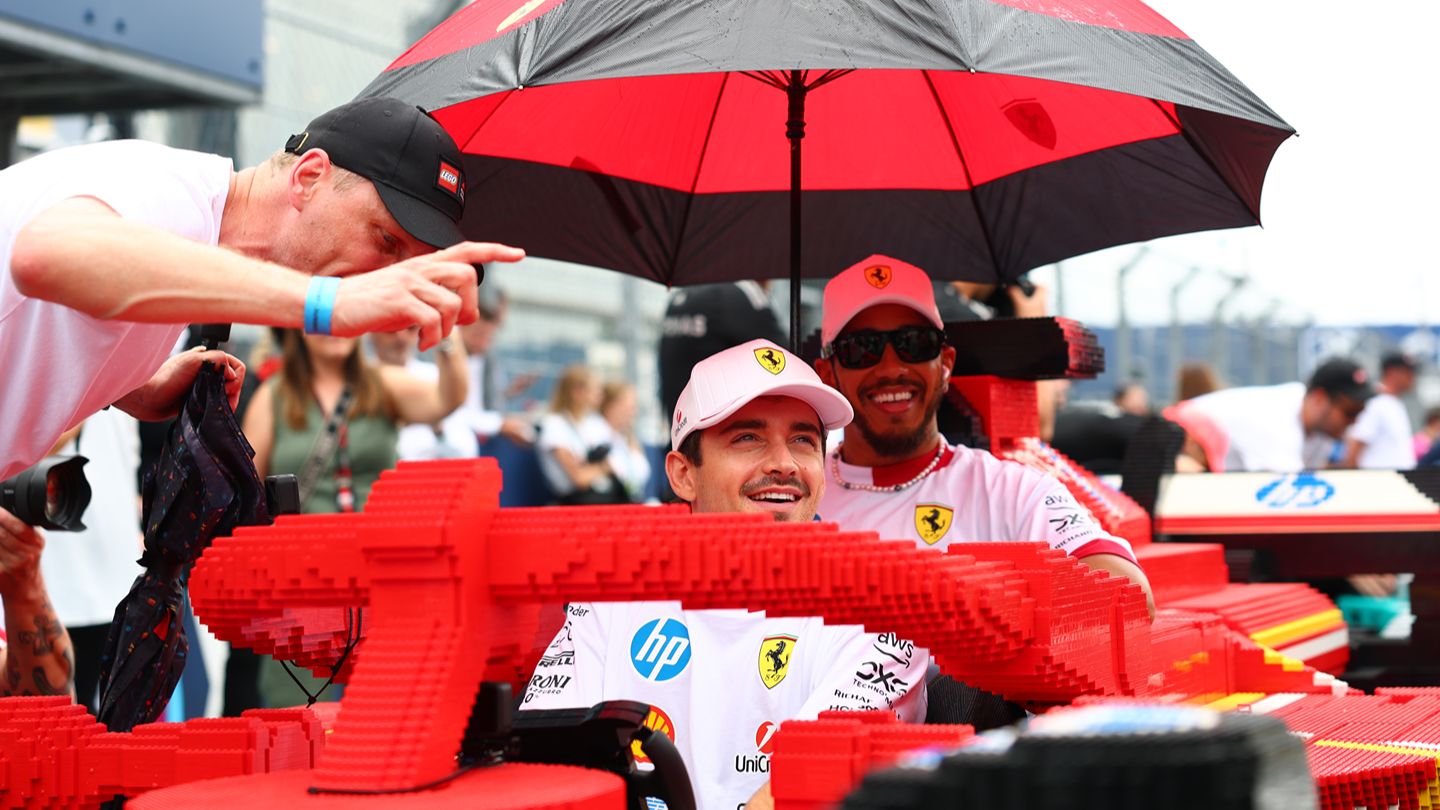
As traditional broadcasters battle decreasing budgets and attention spans, brands have come to the fore as collaborators in an increasingly lucrative and creatively fertile strand of the media business.

FRAMES: Automating the archive end-to-end
Despite the availability of hundreds of generative AI tools, pre-production environments are still struggling to find a semantic archive search solution that is technically feasible and effective in the real world. Enter FRAMES.
 (1).png)
IBC Accelerator: Scaling the future of immersive festival experiences
Stepping beyond the screen, this IBC Accelerator project has set out to meld immersive technology and audience interaction into an entirely new form of audience engagement.

.jpg)