.jpg)
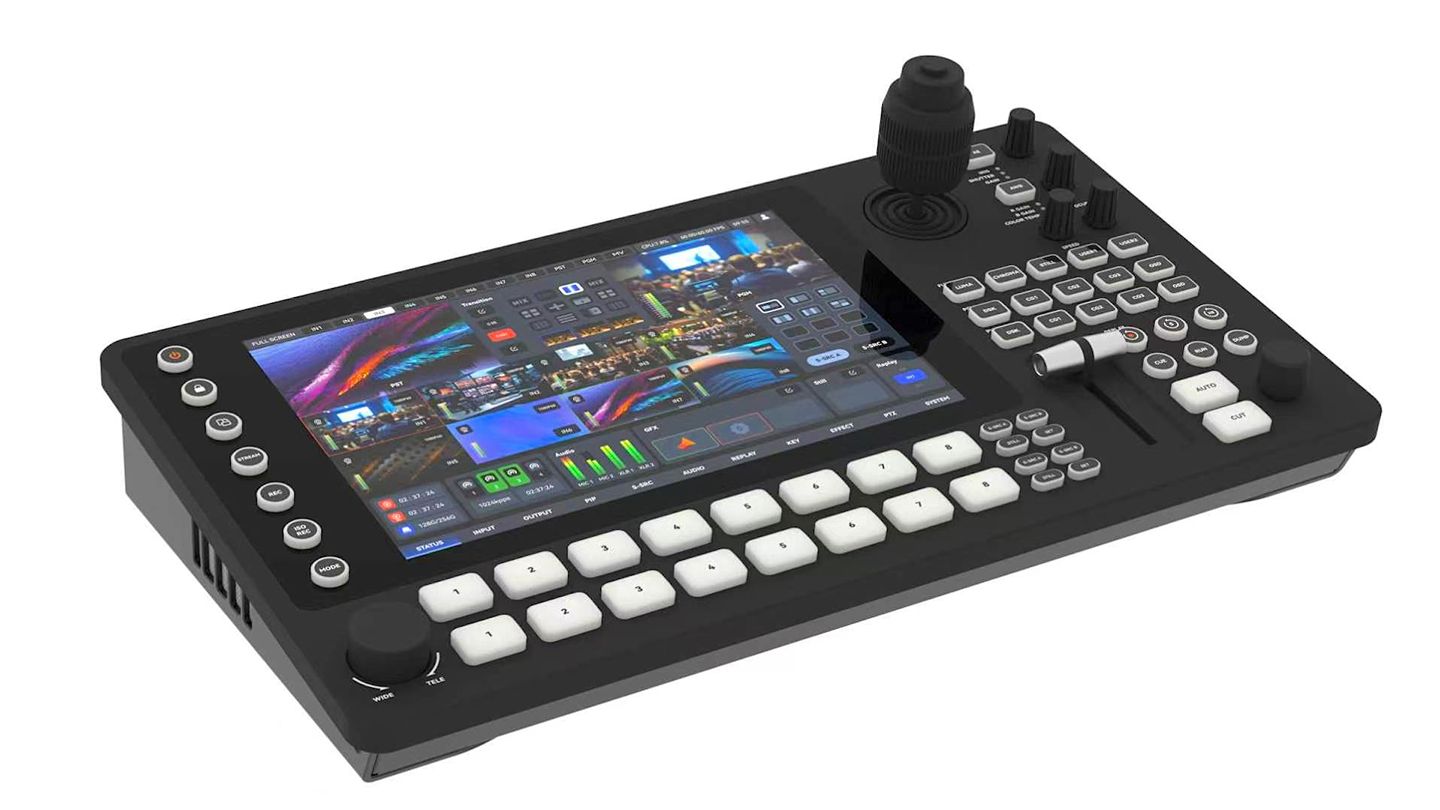
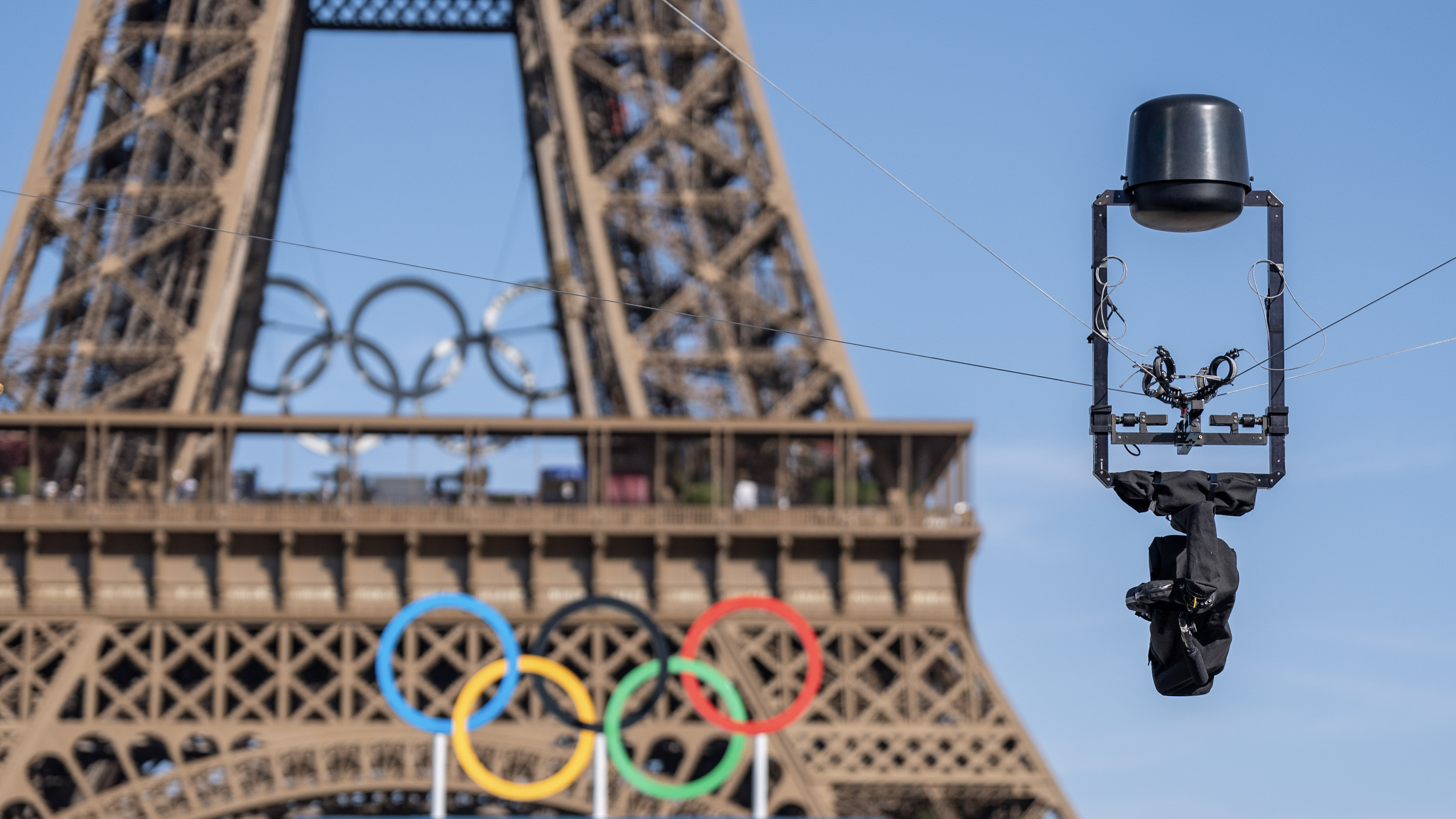
Connectivity optimisation, transcription services, and real-time customer support are among the areas of live production where the value of AI-based technologies is increasingly evident, writes David Davies.
If the use of AI to produce and organise archive material was always going to be complex and controversial, then it stands to reason that its deployment as part of live production workflows was likely to be even more hotly debated. Nonetheless, now that we are a few years into the AI revolution, its primary areas of application in live broadcasting are becoming increasingly clear...
You are not signed in
Only registered users can read the rest of this article.
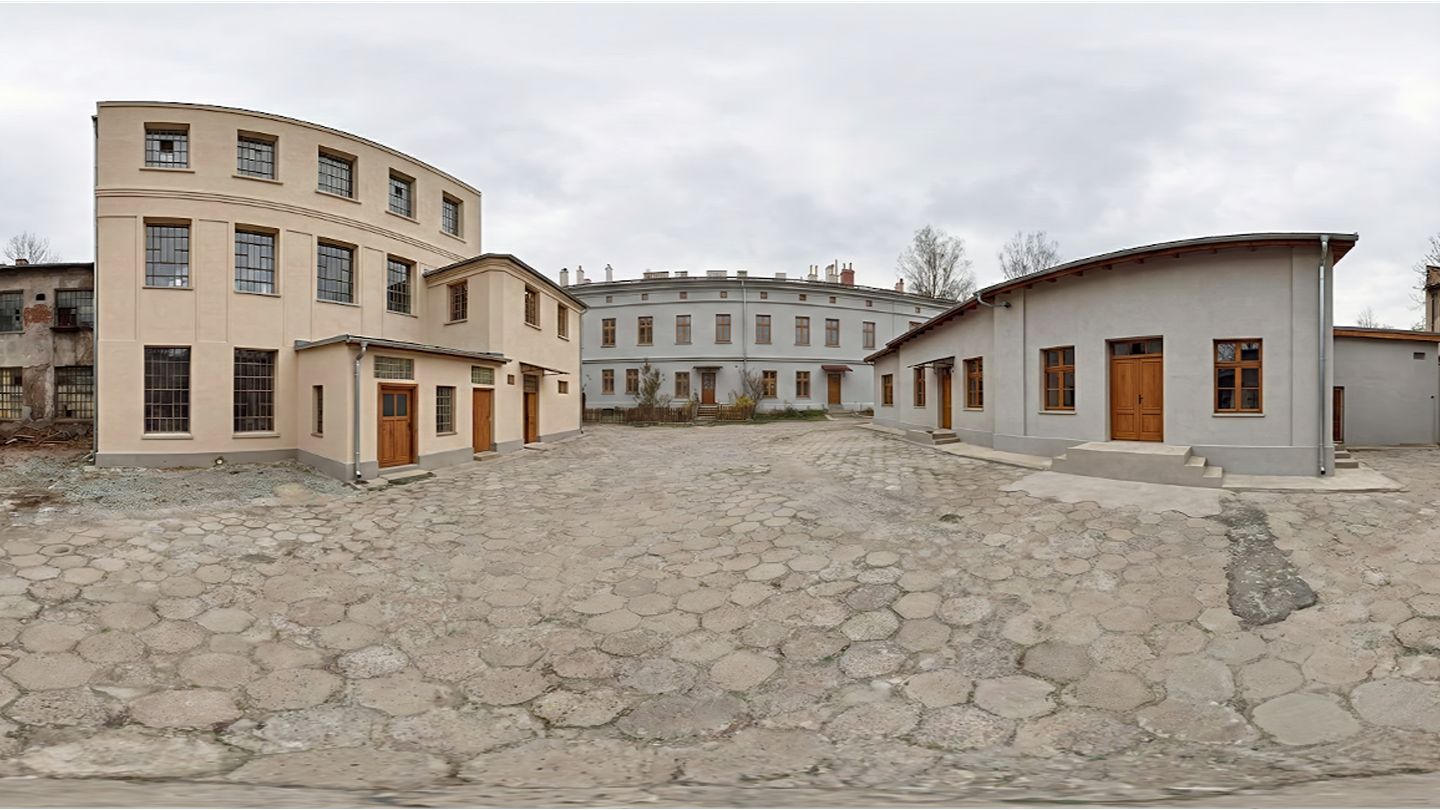
Auschwitz at IBC2026: Film University Babelsberg to preview immersive project
Film University Babelsberg Konrad Wolf will present an immersive digital reconstruction of a little-known site associated with Auschwitz at IBC2026, as part of EIT Culture & Creativity's first major presence at the show.
.jpg)
Innovation Awards: Investigating 2026’s Content Creation finalists
What does it take to win a technological innovation award in Content Creation? Fergal Ringrose, Chair of Judges for the IBC Innovation Awards, assesses the top three projects in the running – revealing the key characteristics of each of the most competitive submissions.
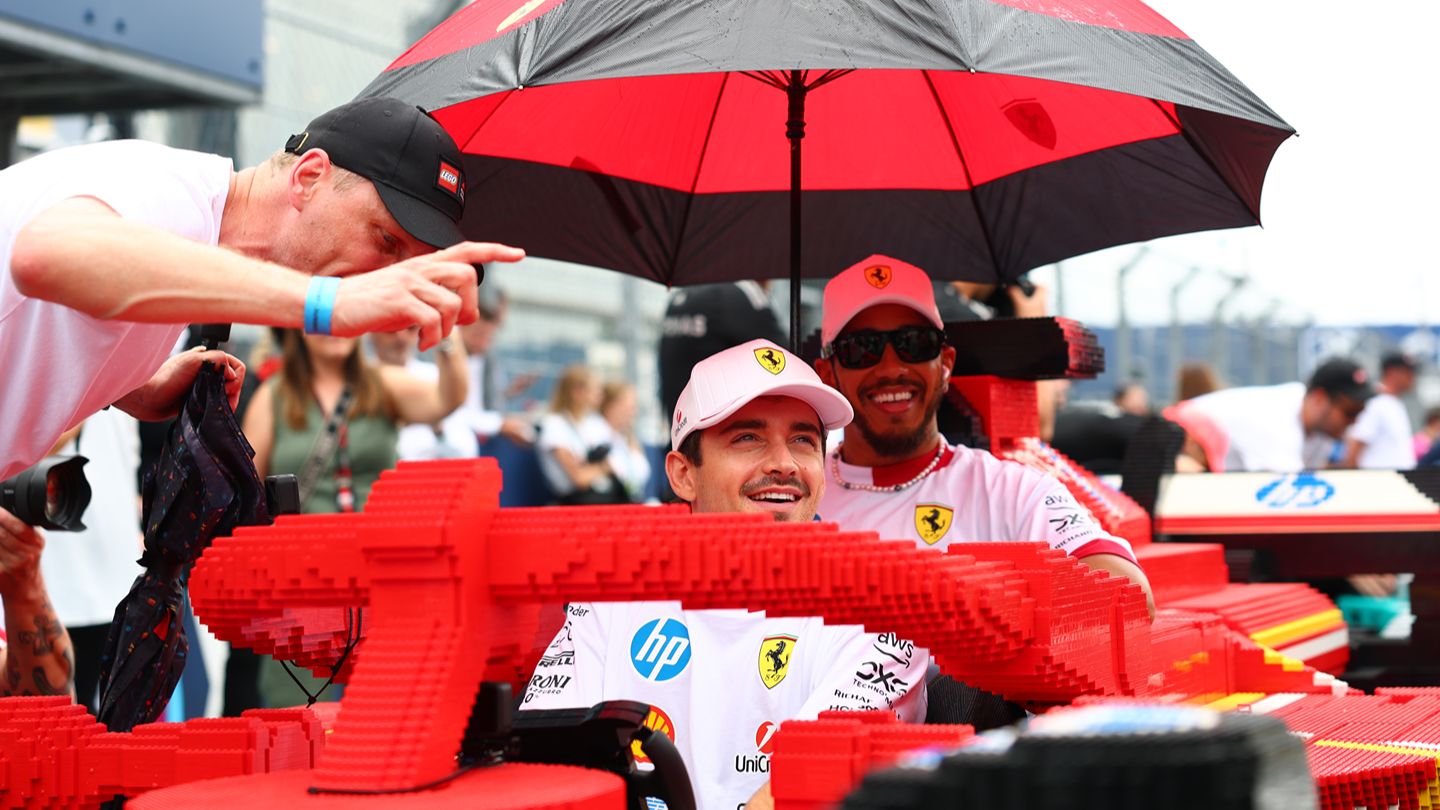
Branded entertainment: Money, freedom, and audiences unite
As traditional broadcasters battle decreasing budgets and attention spans, brands have come to the fore as collaborators in an increasingly lucrative and creatively fertile strand of the media business.

FRAMES: Automating the archive end-to-end
Despite the availability of hundreds of generative AI tools, pre-production environments are still struggling to find a semantic archive search solution that is technically feasible and effective in the real world. Enter FRAMES.
 (1).png)
IBC Accelerator: Scaling the future of immersive festival experiences
Stepping beyond the screen, this IBC Accelerator project has set out to meld immersive technology and audience interaction into an entirely new form of audience engagement.