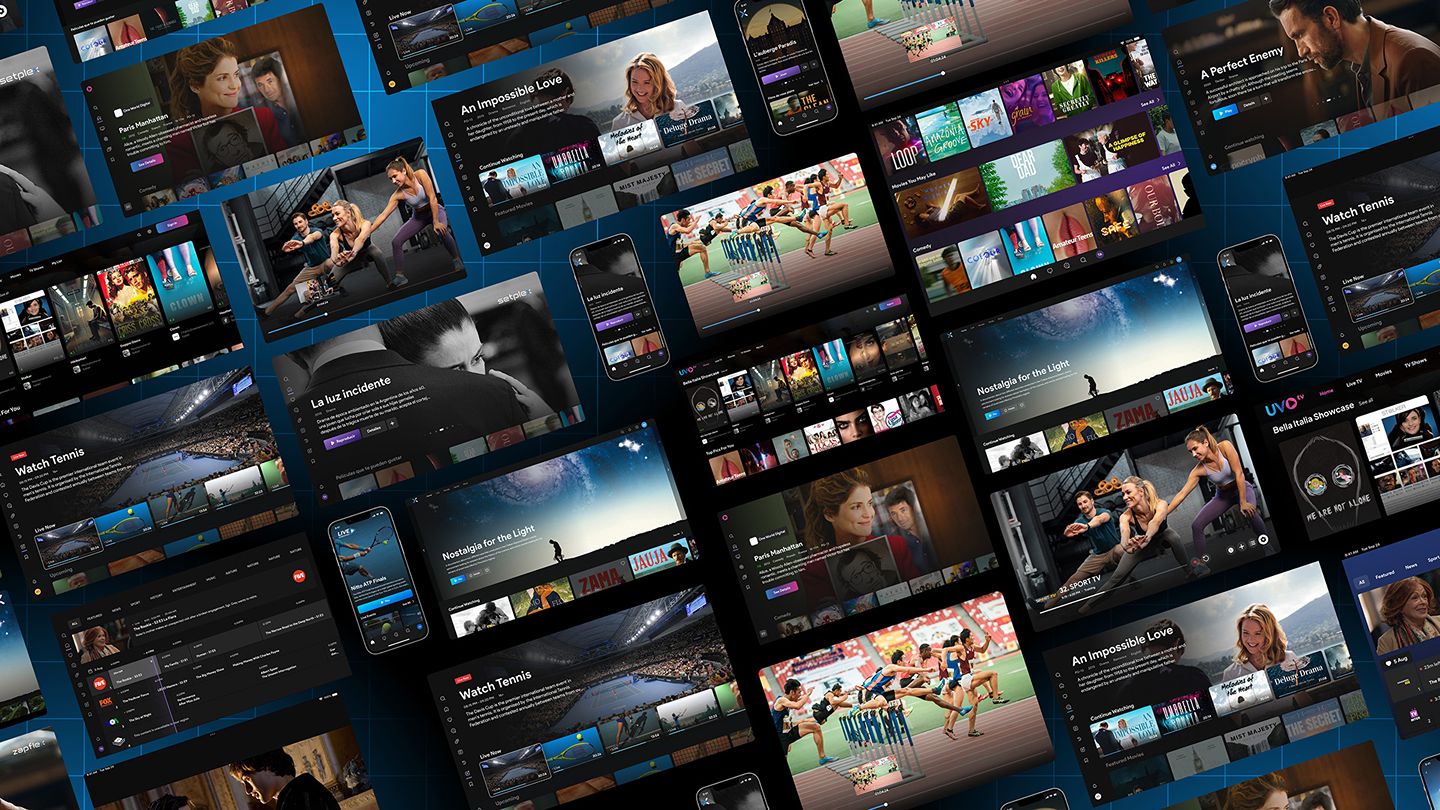
Netflix has revealed that nearly 300 titles on its platform have used generative AI, from early concept stages and pre-visualisation through to post-production and release.
In its second-quarter earnings report, the company said it is “leveraging AI to provide a more personalised, immersive, and interactive experience for members, enhance ad capabilities for brands, and improve the quality of our series and films.”
Netflix said that GenAI workflows have been used in roughly 300 of its titles in 2026, with the largest concentration of work in post-production.
“We are increasingly leveraging these tools to deliver higher quality output more quickly and at a lower cost than traditional methods. In some cases, productions would have had to leave out key shots and sequences in the absence of GenAI technology,” said the letter to shareholders.
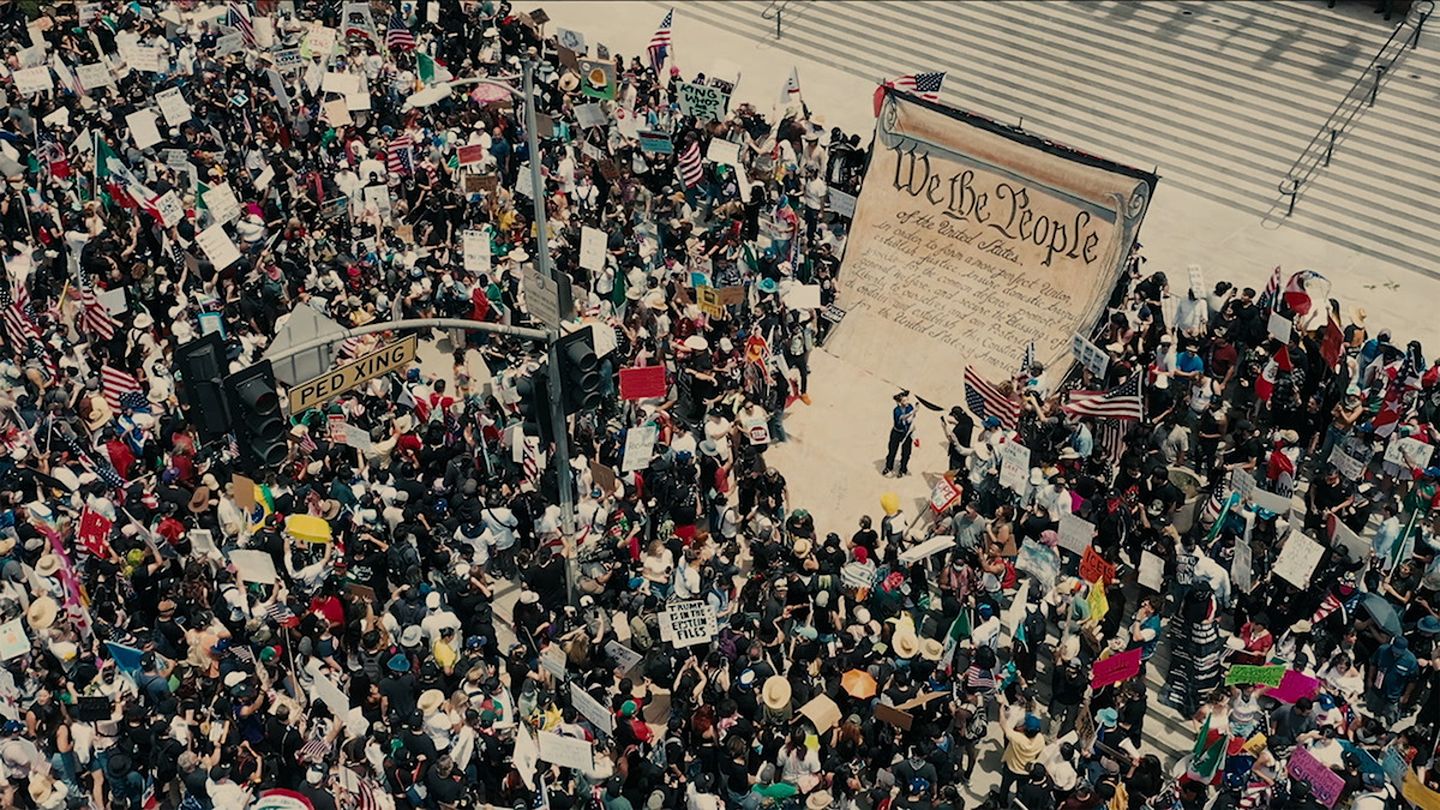
The company cited Glory (India), Brasil 70: A Saga do Tri (Brazil), and The American Experiment (US) as examples of recent titles that have used GenAI tools to create complex sequences, such as enhanced crowds, historical battle sequences, and worldbuilding establishing shots.
The company added that it is using LLMs to improve title discovery, better understand member preferences, and for voice search functionality.
Further, Netflix revealed it has also expanded AI-powered tools across its advertising offer, from planning and creative production to campaign management, optimisation, and reporting.
The streaming giant has been expanding its AI ambitions as the technology advances, including acquiring Ben Affleck’s AI startup InterPositive and launching an AI-focused animation studio.
In a conference call with analysts, Netflix Co-CEO Ted Sarandos concurred that many of the productions that had used AI “would have left out those key shots because they just wouldn't have been able to afford them; they wouldn't have been able to do them in the time frames that they're working on. So those sequences are saved by the availability and access to these Gen AI tools.”
However, he emphasises that “great artists” still matter. “On the content side, we believe it takes great artists to make something great, and AI is not changing that. AI will give creators better tools to bring their visions to life. Movies are being made by people who make movies. AI provides them with better tools to make them even better.”
He cited recent Netflix documentary series The American Experiment, explaining that it features 17 minutes of AI-enhanced footage. “It enabled us to expand the scope of the series in ways that just wouldn't have been feasible before. Those 17 minutes… were produced twice as fast and at half the cost of previous options.
“So, by equipping creators with these tools, we believe they're going to enhance their abilities, and we are going to have better and more impact for every dollar we spend on our programming.”
Netflix is reportedly exploring the addition of live channels and bundling other subscription-based streaming services in a bid to bolster subscriber engagement. Discover more here.

OBS to receive IBC2026 International Honour for Excellence
IBC will present the International Honour for Excellence (IHFE) to Olympic Broadcasting Services (OBS) – recognising the company’s decades of innovation in live sports production and its far-reaching impact on the global broadcast industry.
.jpg)
ESPN and Disney+ test AI-powered search and discovery tools
Disney-owned platforms ESPN and Disney+ are beta testing AI-powered features designed to help audiences find information and content.
.jpg)
Ad tiers become dominant streaming monetisation model in North America
Revenues from ad-supported tiers in North America are set to exceed $45bn this year, accounting for more than half of all subscription streaming revenues, according to Ampere Analysis research.
.jpg)
Canal+ strikes Africa deal for UEFA football
French pay-TV group Canal+ has acquired exclusive rights in all languages of the clubs’ Men’s European cups in Sub-Saharan Africa from mid-2027.

Arqiva completes major upgrade of UK digital radio platform
Broadcast infrastructure firm Arqiva has completed a major transformation of the infrastructure that supports commercial digital radio across the UK.