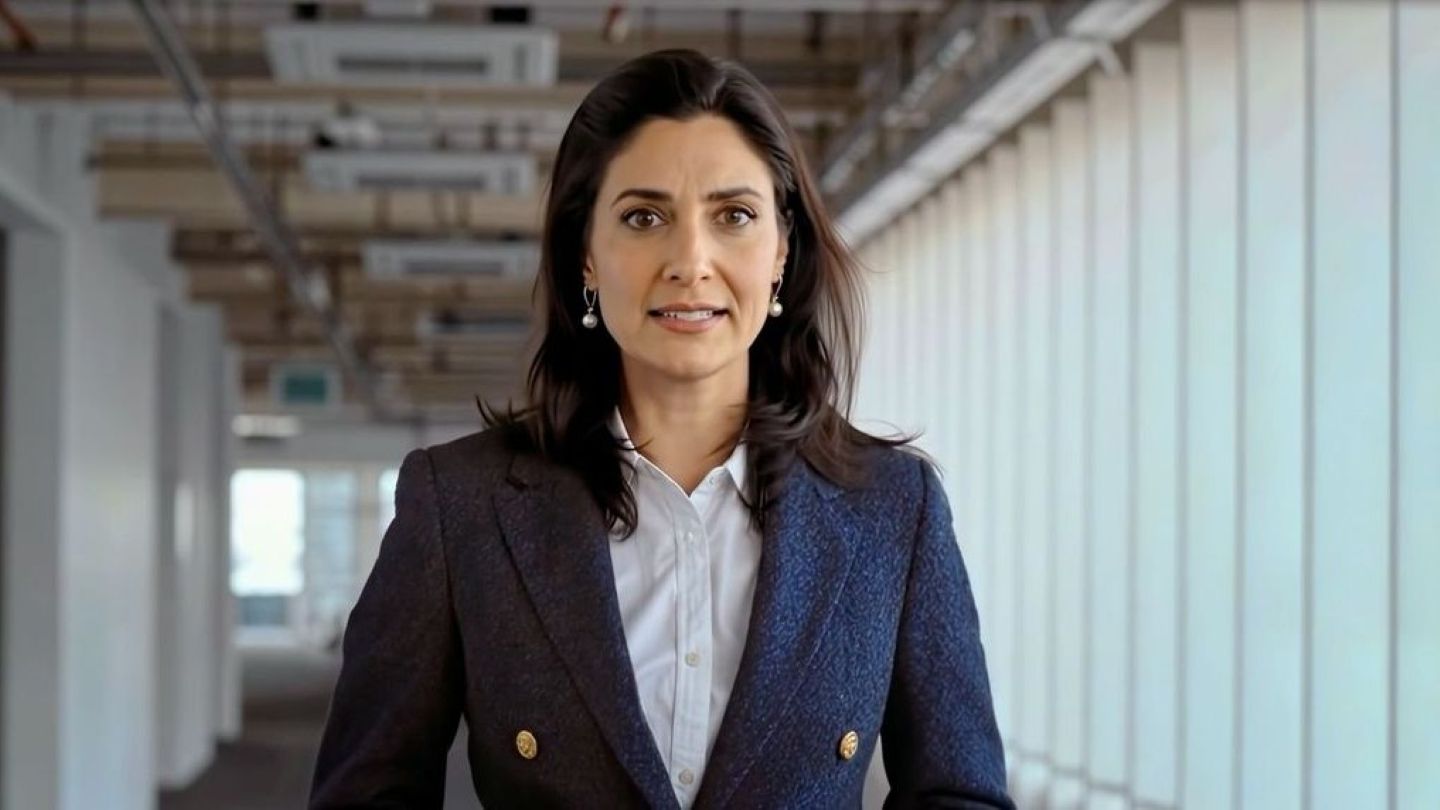
UK regulator Ofcom has published a discussion paper exploring the different tools and techniques that tech firms can use to help users identify deepfake AI-generated videos.
The paper explores the merits of four ‘attribution measures’: watermarking, provenance metadata, AI labels, and context annotations.
.jpg)
These four measures are designed to provide information about how AI-generated content has been created, and – in some cases – can indicate whether the content is accurate or misleading.
This comes as new Ofcom research reveals that 85% of adults support online platforms attaching AI labels to content, although only one in three (34%) have ever seen one. Deepfakes have been used for financial scams, to depict people in non-consensual sexual imagery and to spread disinformation about politicians.
The discussion paper is a follow-up to Ofcom’s first Deepfake Defences paper, published last July.
The paper includes eight key takeaways to guide industry, government and researchers:
- Evidence shows that attribution measures can help users to engage with content more critically, when deployed with care and proper testing.
- Users should not be left to identify deepfakes on their own, and platforms should avoid placing the full burden on individuals to detect misleading content.
- Striking the right balance between simplicity and detail is crucial when communicating information about AI to users.
- Attribution measures need to accommodate content that is neither wholly real nor entirely synthetic, communicating how AI has been used to create content and not just whether it has been used.
- Attribution measures can be susceptible to removal and manipulation. Ofcom’s technical tests show that watermarks can often be stripped from content following basic edits.
- Greater standardisation across individual attribution measures could boost the efficacy and take-up of these measures.
- The pace of change means it would be unwise to make sweeping claims about attribution measures.
- Attribution measures should be used in combination with other interventions, from AI classifiers and reporting mechanisms, to tackle the greatest range of deepfakes.
Ofcom said the research will also inform its policy development and supervision of regulated services under the Online Safety Act.
.jpg)
Expanded Future Tech to showcase the very best in innovation, technology and talent
After a successful debut in 2025, Future Tech returns to Hall 14 of the RAI this year, with more features, more innovation and more of the technologies shaping the next era of media and entertainment.
.jpg)
EU approves Paramount's WBD acquisition with conditions
The European Commission has approved Paramount Skydance’s proposed $110bn acquisition of Warner Bros. Discovery.

Isabel Davis to become Director of BFI Filmmaking Funds
The British Film Institute (BFI) has named Isabel Davis as Director of its BFI National Lottery Filmmaking Funds.
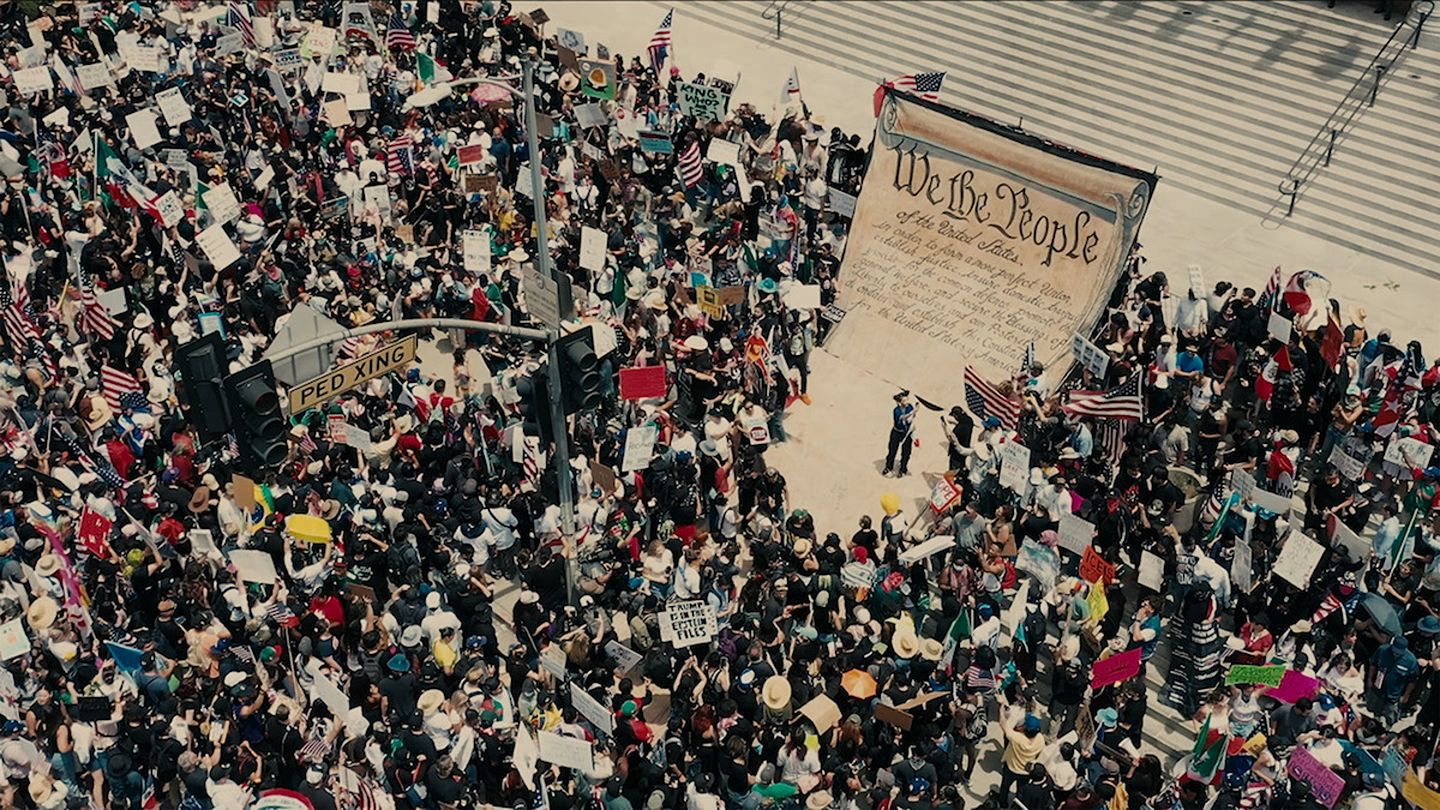
Netflix uses GenAI on 300 titles in 2026
Netflix has revealed that nearly 300 titles on its platform have used generative AI, from early concept stages and pre-visualisation through to post-production and release.

Poppy Dixon appointed BBC Head of Documentaries
The BBC has appointed former Sky executive Poppy Dixon as its Head of Documentaries.


.jpg)