The UK government has set out plans to make social media platforms such as YouTube and Facebook give greater prominence to news from public service media.
The move to give greater prominence to news source from broadcasters such as the BBC, ITV, STV, Channel 4, S4C and 5 is seen as a way to combat disinformation and fake news.
It comes as figures from Ofcom show that social media services remain the main way to access news for three-quarters of all young people aged 16-24.
A Green Paper published today, (23 June), titled “Watch this Space: A new strategic direction for UK media” will see the government consult on options to require social media companies and video sharing platforms to make sure that news content from public service media (PSM) is more prominent.
This could include a range of national and local news publishers all being more likely to be at the top of people’s social media feeds when they search for news.
The government is also looking at options to ensure public service content is prominent, discoverable and promoted wherever audiences are watching TV, including on third-party platforms, such as video sharing sites.
The measures are being considered as part of a wider package of reforms aimed at reforming the UK’s PSM system.
Changes are being considered to make the system more flexible and could mean that other broadcasters and YouTube channels could be designated as PSM providers in the future.
Alongside this, options for improving media literacy are also being considered to make sure that people have the skills to critically think about the content they are consuming online and on social media.
There will also be protections to prevent popular streaming and catch-up rights to some of the world’s biggest competition such as the World Cup, Olympics and Wimbledon being put behind a paywall. The Green Paper confirms that the government intends to add on-demand rights to the free-to-air Listed Events regime.
The government said is also seeking views on two potential timelines for a transition from digital terrestrial television (DTT) to internet-based TV services: 2034 and 2044.
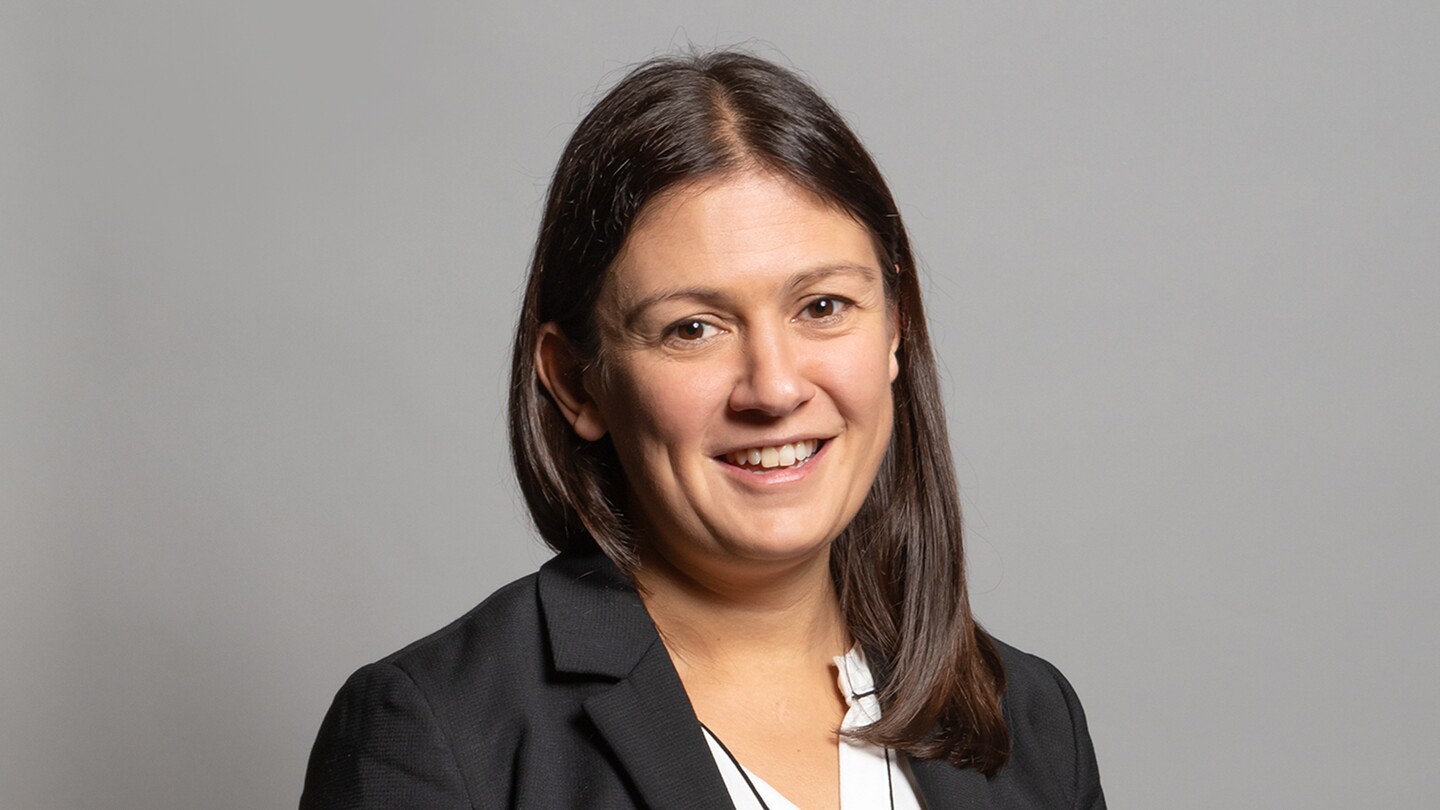
Culture Secretary Lisa Nandy said: “It is vital that we make sure that people have better access to trusted and accurate news and that our regulated public service media is seen and heard in the fierce battle against mis and disinformation.
“As the media landscape moves further and further online away from traditional broadcasting we must act so that our world-leading TV sector continues to thrive and top quality UK content keeps being produced.”

OBS to receive IBC2026 International Honour for Excellence
IBC will present the International Honour for Excellence (IHFE) to Olympic Broadcasting Services (OBS) – recognising the company’s decades of innovation in live sports production and its far-reaching impact on the global broadcast industry.
.jpg)
ESPN and Disney+ test AI-powered search and discovery tools
Disney-owned platforms ESPN and Disney+ are beta testing AI-powered features designed to help audiences find information and content.
.jpg)
Ad tiers become dominant streaming monetisation model in North America
Revenues from ad-supported tiers in North America are set to exceed $45bn this year, accounting for more than half of all subscription streaming revenues, according to Ampere Analysis research.
.jpg)
Canal+ strikes Africa deal for UEFA football
French pay-TV group Canal+ has acquired exclusive rights in all languages of the clubs’ Men’s European cups in Sub-Saharan Africa from mid-2027.
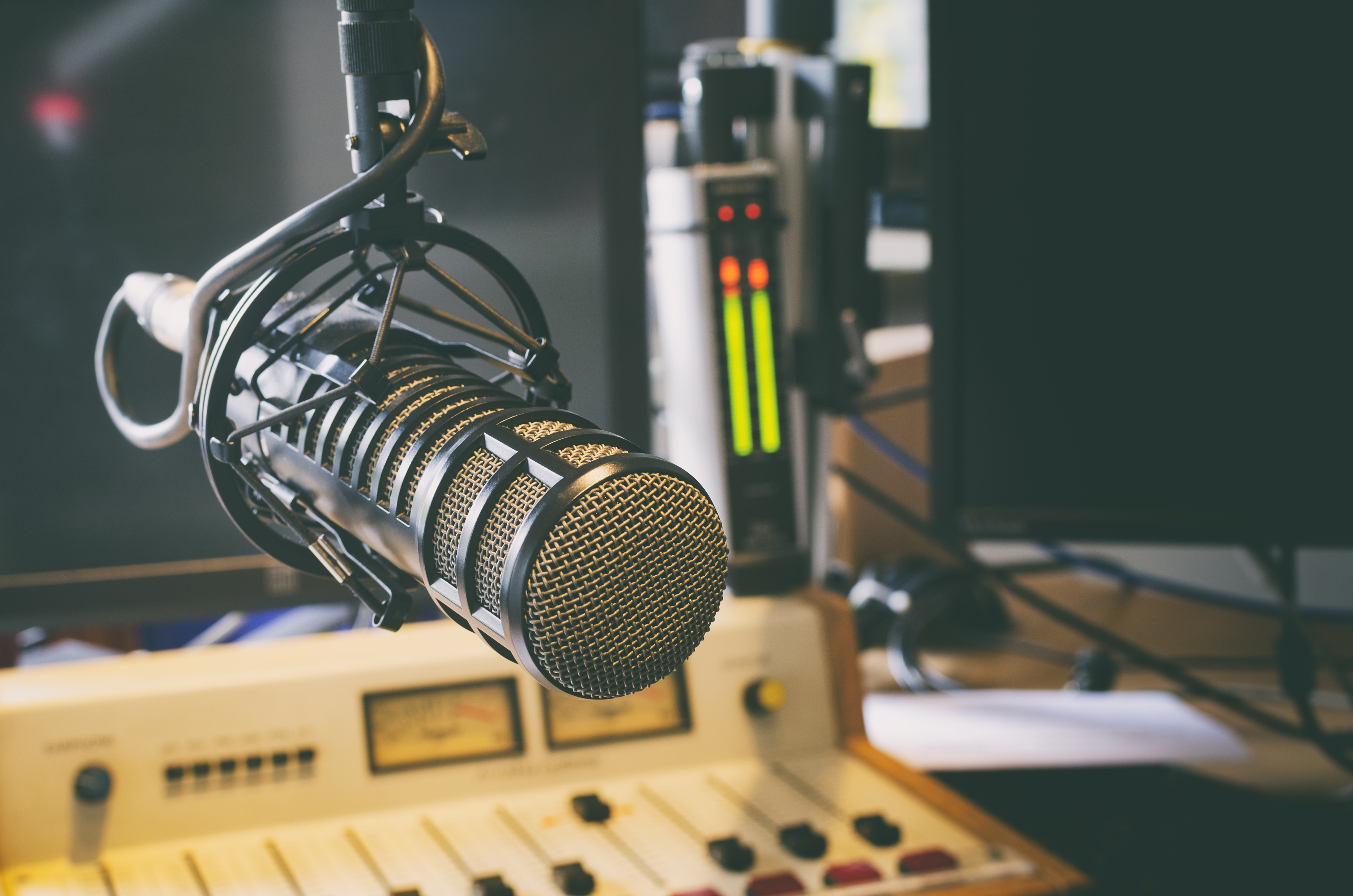
Arqiva completes major upgrade of UK digital radio platform
Broadcast infrastructure firm Arqiva has completed a major transformation of the infrastructure that supports commercial digital radio across the UK.