The UK government is introducing a social media ban for under-16s, which is due to come into force in early 2027.
The government is also considering an overnight curfew and measures to stop infinite scrolling for under-18s.
The ban will cover social media platforms including Snapchat, TikTok, YouTube, Instagram, Facebook, and X, although a complete list has not been released. It will not ban messaging services like WhatsApp and Signal.
The government plans to use the same model for the social media ban as Australia.
However, it said it will also go further than a blanket ban on social media with what it described as a “world-leading blocks on functions such as livestreaming and stranger communication with children for under-16s. These restrictions, [combined] with the ban, go further than any other country [and] will apply to a wider range of online services, including gaming sites.”
Regulator Ofcom is set to conduct a rapid study to determine the most effective method for verifying whether someone is over 16.
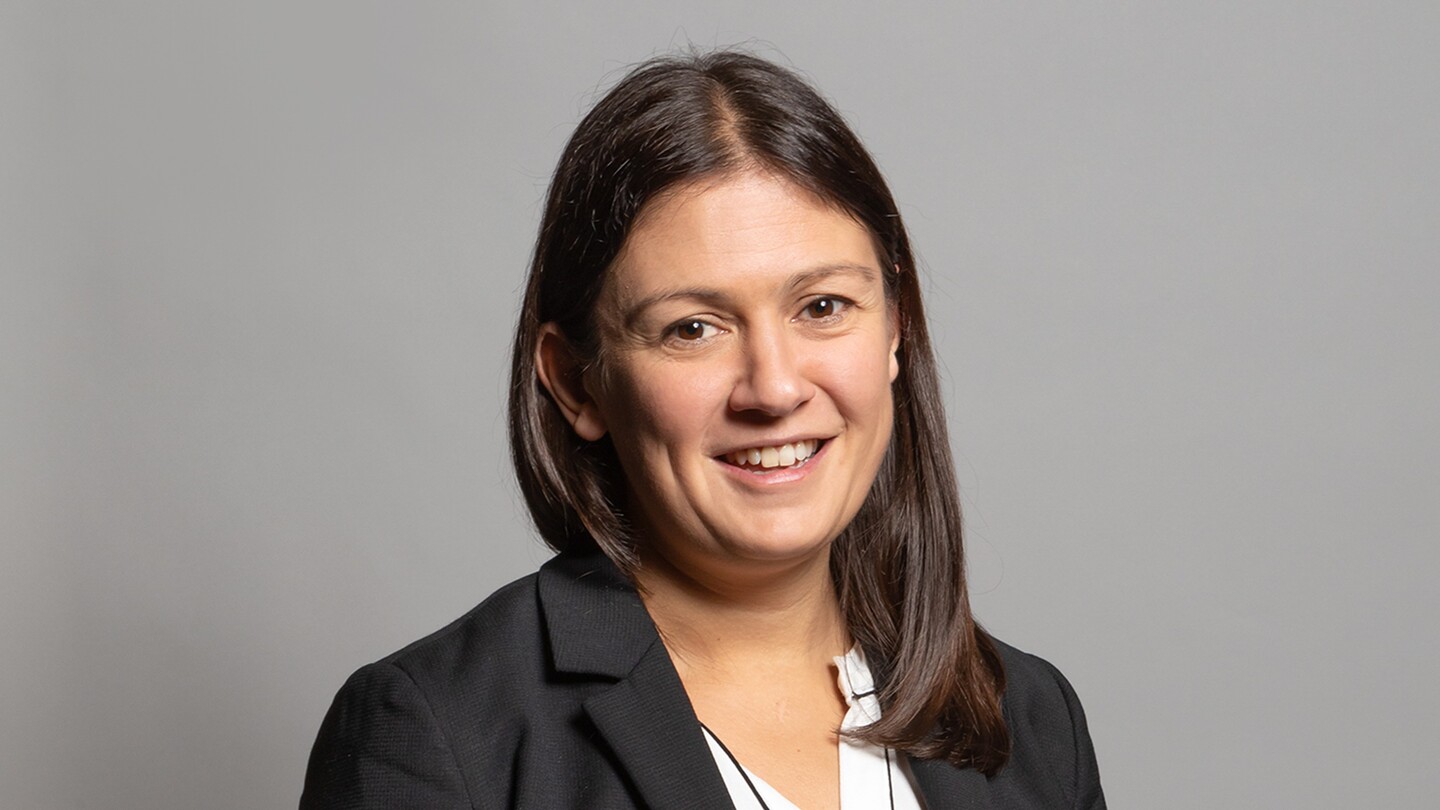
Secretary of State Liz Kendall has also written to the new Chair of Ofcom to ask for an urgent review of Ofcom’s enforcement capabilities, with a clear enforcement strategy to be published as soon as possible.
In her letter, Kendall said the government will ensure Ofcom has the funding it needs to carry out its new responsibilities.
The announcement follows a national consultation, with more than 116,000 responses submitted by parents, children, and experts. Overall, nine in 10 parents said they would support a social media ban for children under 16.
The majority of young people also backed action, with two-thirds agreeing that children under 16 should not be allowed to use at least some social media platforms.
In a statement, an Ofcom spokesperson said: “So far, Ofcom has driven some of the strongest changes of any online safety regulation in the world, from widespread age checks to grooming protections for children. But the industry needs to go much further to make people safe. The government has entrusted us to build on this progress with new measures to protect children, and we're ready to work closely with them as the detailed regulations take shape.”
Ofcom recently set out its plans to level the regulatory playing field between streaming platforms and traditional broadcasters, so viewers receive similar content protections. Discover more here.
.jpg)
EIT Culture & Creativity launches €600,000 call for professional media courses
EIT Culture & Creativity has opened a call for proposals that support the development and delivery of skills-based continuous professional development (CPD) courses for Europe’s audio-visual media (AVM) sector.

Salon enables productions to book Europe’s heritage sites
Salon is opening its booking platform for cultural and heritage venues to the media production sector.
.jpg)
footagen.ai unveils an AI-native film workflow
Finnish film and creative production company Frame Rate Oy has unveiled footagen.ai, an AI-native film workflow designed to take productions from screenplay to controlled, edit-ready shots and clips without handing creative decisions to an AI system.

Broadband subscription growth rebounds to hit 1.6 billion
Global fixed broadband subscribers reached 1.591 billion in the first quarter of 2026, up 1.06% on the previous quarter and 4.15% year-on-year, according to research by analysts Point Topic.

Western Europe streaming revenue to hit $75bn by 2031
Western Europe's total streaming revenue is set to rise from $53.3bn in 2026 to $74.9bn by 2031, up 41%, according to 3Vision's Video Markets Tracker forecasts.