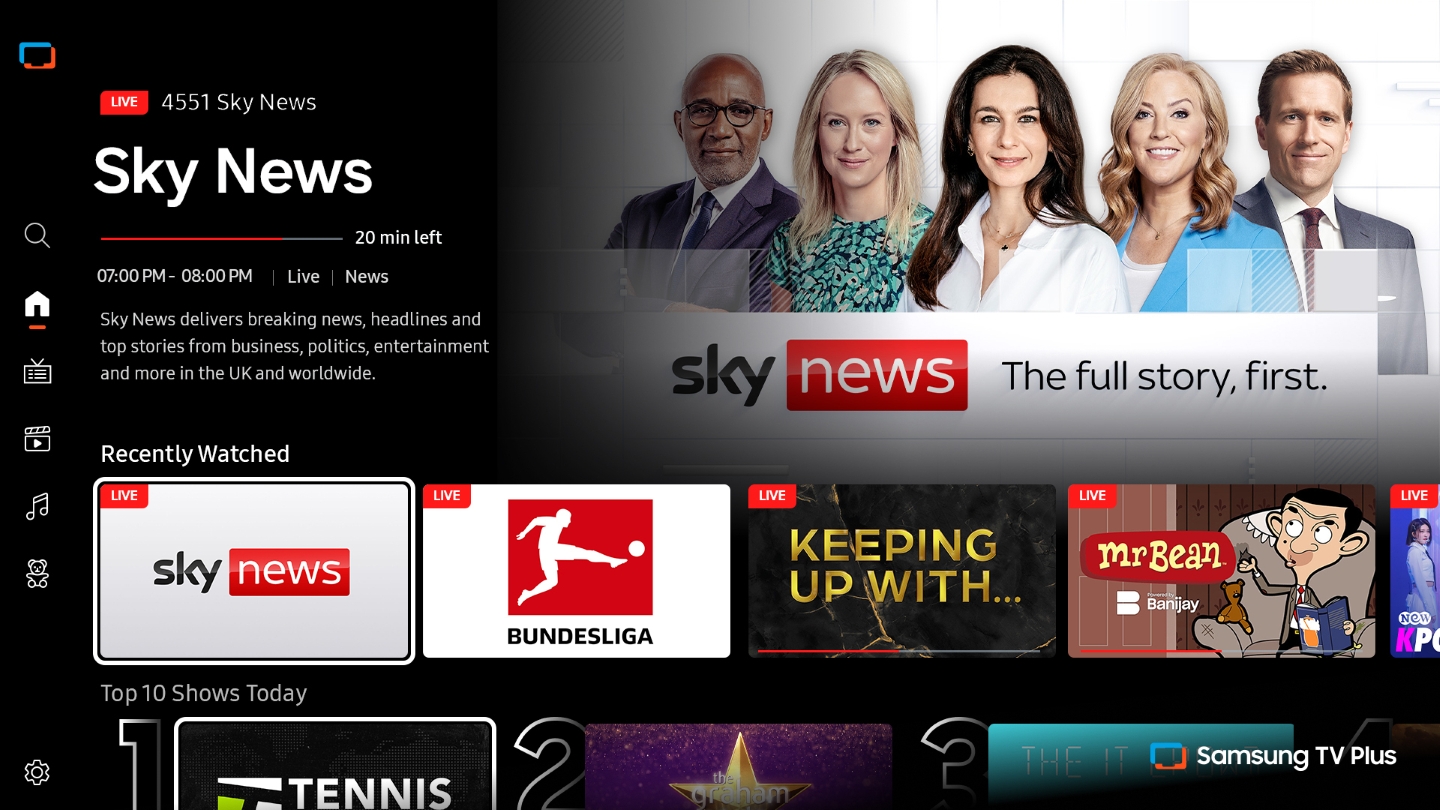
 - source - Roku.jpg)
Watching TV is not supposed to be hard. It should be pleasurable, but the industry has tied itself in knots as content and platforms fragment then coalesce in the shift to streaming.
“It's easy to overstate the problems that consumers face,” says Tom Price, Director of Content Distribution at Roku. “A lot of the work we’ve done in surveys and focus groups tell us that consumers feel they've never had it so good. They've got access to all of this great content, from extremely high production value drama series to niche creator videos that they can watch on whatever device they want whenever they want.
“They've also got increasingly sophisticated televisions. It's not like they’re having to jerry-rig cables, screens and devices as before. It's all starting to merge. With that said, it’s not quite working together properly yet. It still can be a little clunky to find the show you want and there's that paradox of choice where the sheer amount of possible things to watch can be overwhelming.
“These are challenges that Roku is working on. How do you offer consumers vast choice but simplify it and help them find the right content?”
You are not signed in
Only registered users can read the rest of this article.
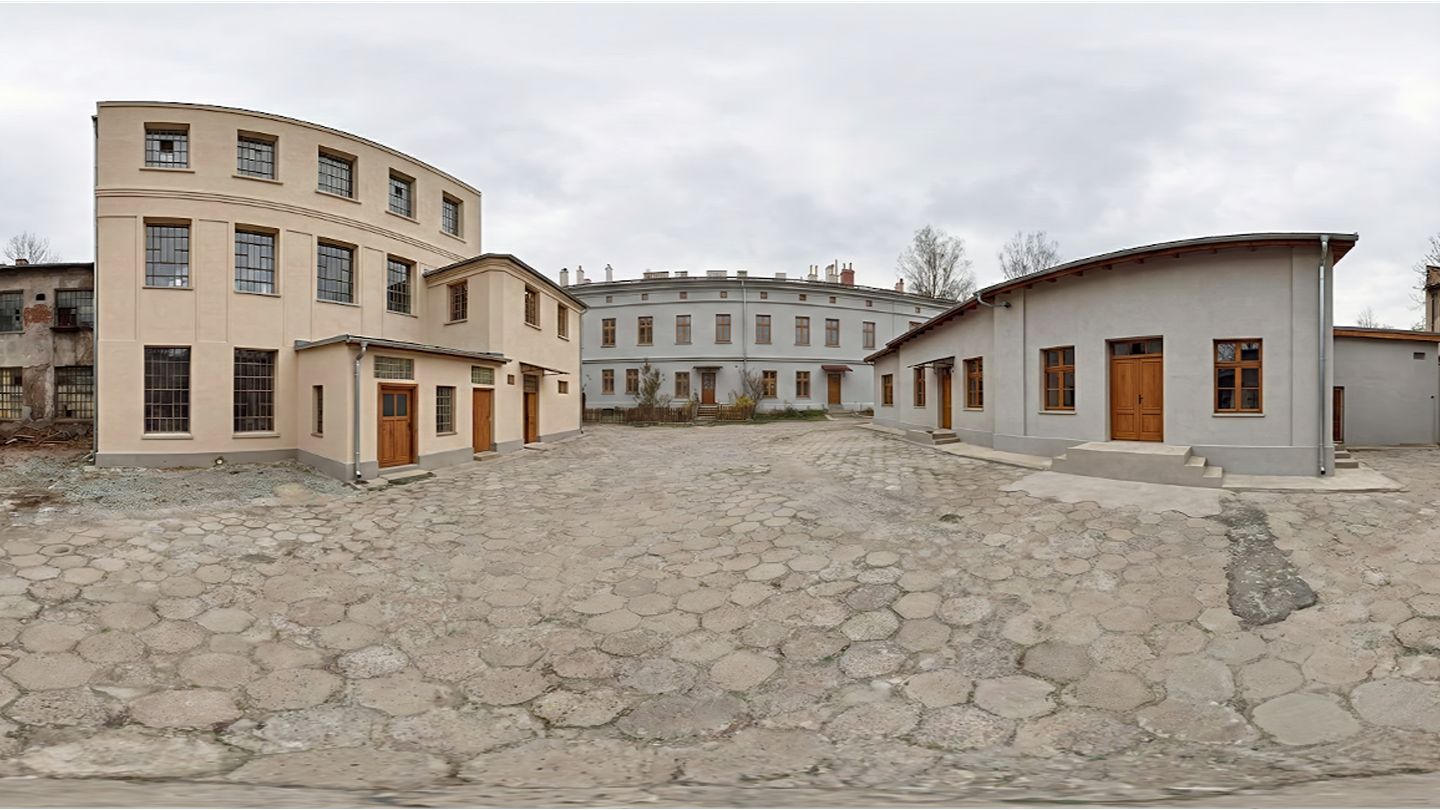
Auschwitz at IBC2026: Film University Babelsberg to preview immersive project
Film University Babelsberg Konrad Wolf will present an immersive digital reconstruction of a little-known site associated with Auschwitz at IBC2026, as part of EIT Culture & Creativity's first major presence at the show.
.jpg)
Innovation Awards: Investigating 2026’s Content Creation finalists
What does it take to win a technological innovation award in Content Creation? Fergal Ringrose, Chair of Judges for the IBC Innovation Awards, assesses the top three projects in the running – revealing the key characteristics of each of the most competitive submissions.

Branded entertainment: Money, freedom, and audiences unite
As traditional broadcasters battle decreasing budgets and attention spans, brands have come to the fore as collaborators in an increasingly lucrative and creatively fertile strand of the media business.

FRAMES: Automating the archive end-to-end
Despite the availability of hundreds of generative AI tools, pre-production environments are still struggling to find a semantic archive search solution that is technically feasible and effective in the real world. Enter FRAMES.
 (1).png)
IBC Accelerator: Scaling the future of immersive festival experiences
Stepping beyond the screen, this IBC Accelerator project has set out to meld immersive technology and audience interaction into an entirely new form of audience engagement.


.jpg)