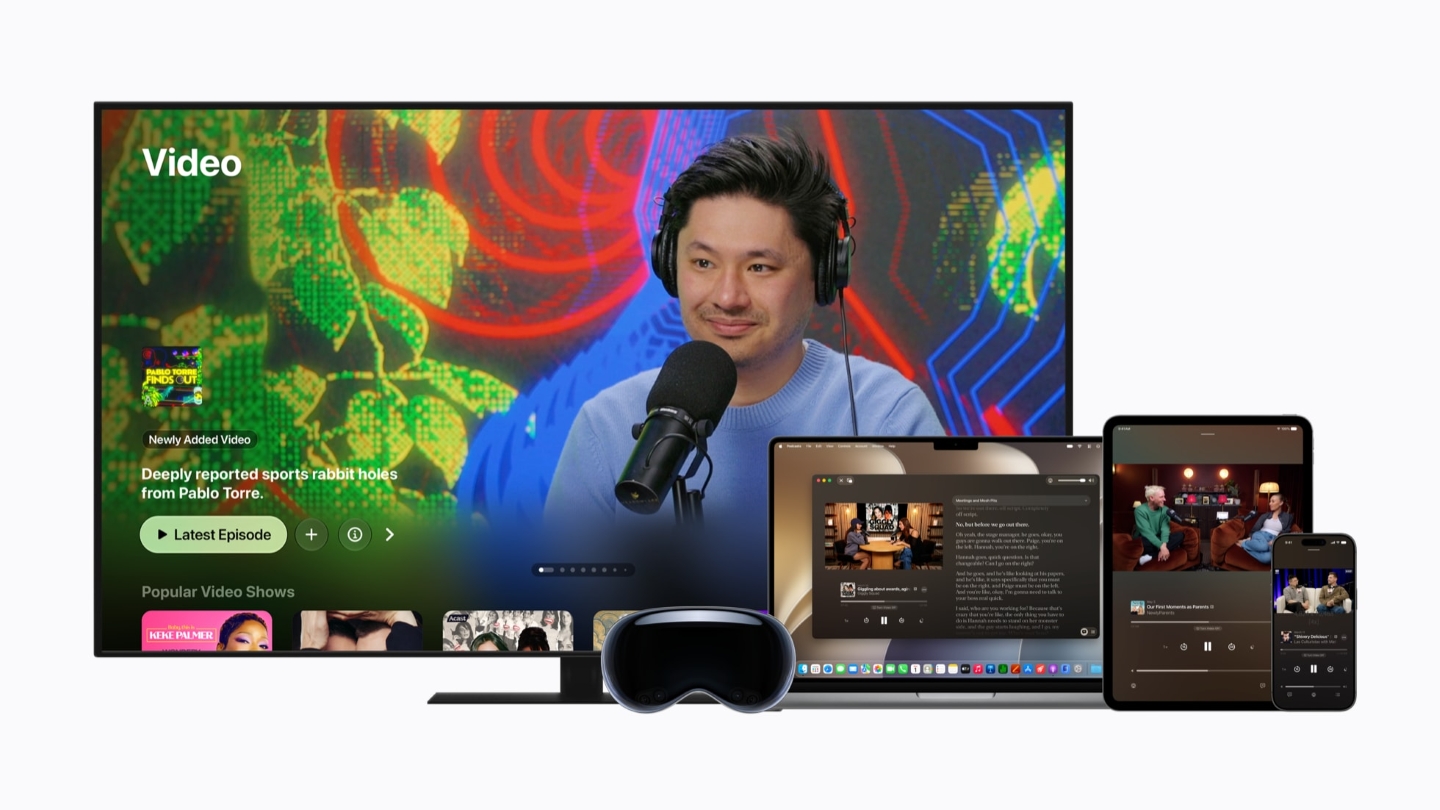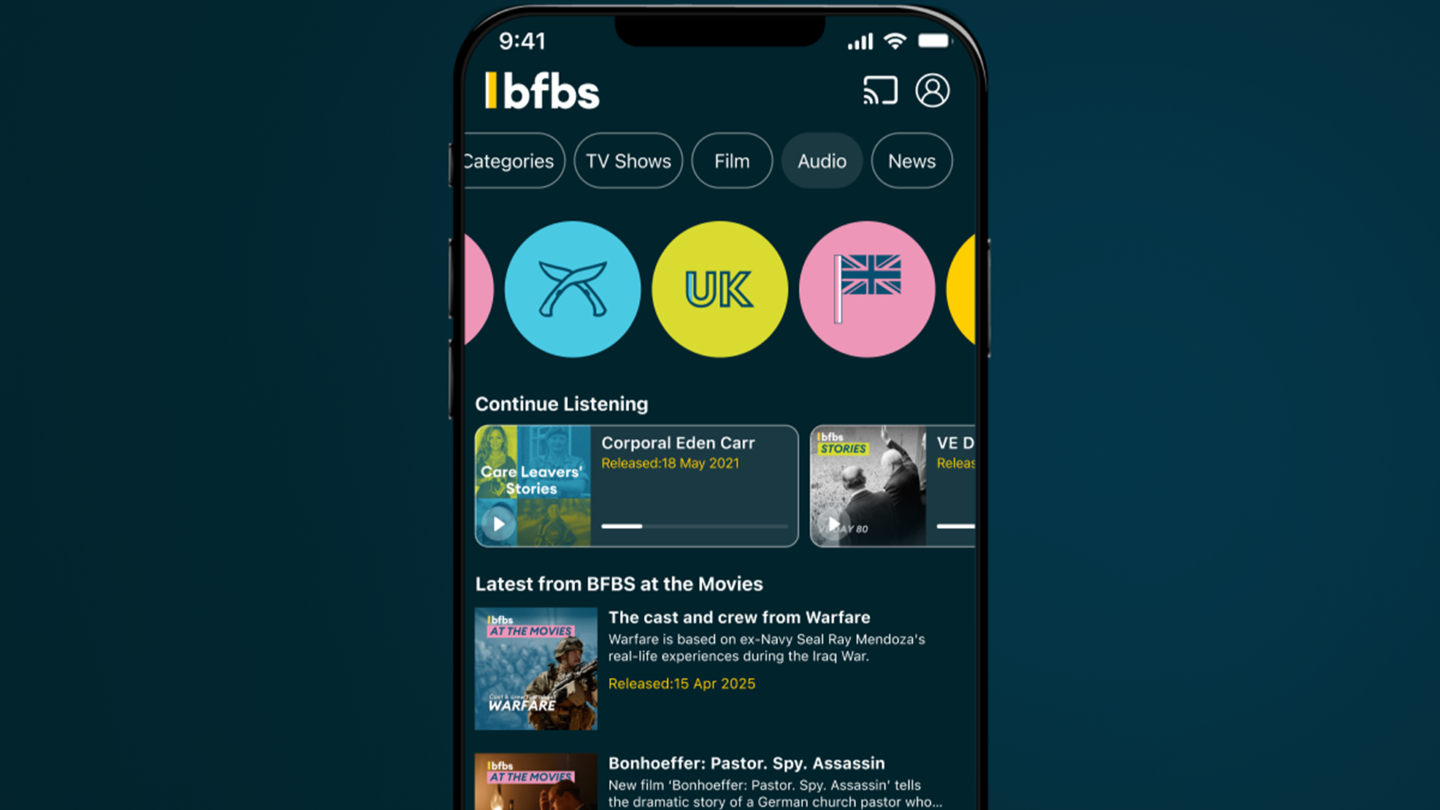
IBC Conference: YouTube’s Justine Ryst and Channel 4’s Grace Boswood joined moderator Sasha Quadri to challenge the idea that streaming giants and traditional broadcasters are locked in competition.
In a wide-ranging conversation, they tackled persistent myths, explored complementary content strategies, highlighted new skill sets, and looked ahead to a post-linear future.
Mythbusting: “YouTube is not TV”
Moderator Sasha Quadri framed the discussion around the scale of audience change, noting that “technology is shifting the way we consume content at great speed and at the same time, audience choice has never been wider. A billion hours of YouTube are watched on TV every day.”
Asked what myths she wanted to bust about the relationship between broadcasters and Justine Ryst, Managing Director YouTube France & Southern Europe Lead, responded: “If we want to make a comparison, I think we’re very complementary. And I think the biggest myth is still here. And I’ve heard it again this morning is that YouTube cannibalises TV consumption.”
Grace Boswood, Technology & Distribution Director for Channel 4, cut straight to the point: “YouTube is not TV, right?” She added that “the user experience and the content being consumed, we find it very, very different,” and described the idea of competition as “a false question.”
Complementary content strategy
Ryst emphasised YouTube’s scale: “We have two and a half billion users every month globally. And the other number that is important to highlight – we see that 700 million people connect on YouTube on television.” For broadcasters, she argued, “there is an
opportunity… to use this distribution and to showcase their fantastic content to an audience who’s not watching TV anymore.”
Boswood shared how Channel 4 has used YouTube to extend the life of its programs. “Our biggest show last month, was a four or five year old documentary called UK/US School Swap… it just got picked up by the algorithm, and it got billions. And that’s really important because the back catalogue is… really, really hard to find on the player. What we’ve done is brought Channel 4 content to YouTube. That’s really paid dividends for us.”
Ryst was clear about YouTube’s role: “We don’t commission. We don’t own IP, we don’t create. We are really giving a playground for creators with a capital C.”
Capabilities and culture
The conversation turned to the skills broadcasters need in a digital-first world. Ryst observed: “If you talk to any YouTubers… they’re all data scientists. I swear they all know exactly what’s working. They’re all ready to shape and change the way they organise media.”
Boswood reflected on Channel 4’s transformation: “When I joined Channel 4, there was just not that representation around the table – there was a gulf between the people who are making decisions, often creatively led, and technologists, and sort of fear on both sides. What I would say, because you're speaking different languages, and often, you know, literally different formats, so like Slack versus email, right? And so, the last 15 years of my career has been to bring together those cultures, because, particularly for legacy businesses, if we don't plant ‘digital first’, there are companies that are and will eat our lunch.”
Post-linear world
Both speakers acknowledged the industry’s ongoing shift. Boswood noted: “Linear TV audiences are not growing in the UK. We have to acknowledge that. There’s an enormous part of our future [in] linear, but it has to be reimagined.”
The session concluded with a shared conviction that broadcasters and YouTube do not cancel each other out. As Ryst summed up: “The audience expects more from broadcasters, expects more from YouTube. So together we can actually help each other.”

IBC Incubator: Connecting context for end-to-end agentic production
After years of AI experimentation, this year, the IBC Incubator plans to birth a single, agentic brain that can hold every bit of a story’s context from conception to distribution.
 (1).png)
IBC Accelerator: Bringing order to the studio selection process
A new project, kickstarted and nurtured as an IBC Accelerator, aims to deploy digital twin technology to streamline discoverability of the UK’s studio space and help producers make smarter, more sustainable choices.
Media over QUIC: M&E's transport revolution has arrived
For media companies preparing for the next decade of streaming, MoQ may be the most important standard they haven’t yet deployed.
.png)
Crystal Clear: Boosting speech intelligibility in media
For an issue that affects almost every television viewer, dialogue intelligibility remains surprisingly difficult to define.
IPMX, ST 2110, and the battle for the network
As the reach of the IP Media Experience (IPMX) initiative continues to grow, David Davies looks at the origins of the initiative, the areas it has achieved greatest traction to date, and what the future might bring.