The BBC has reportedly told a small number of senior staff to step back from their day-to-day duties on music and live events in the wake of the Glastonbury broadcast of Bob Vylan's controversial set.
The news that staff were stepping back was reported by the BBC News website.
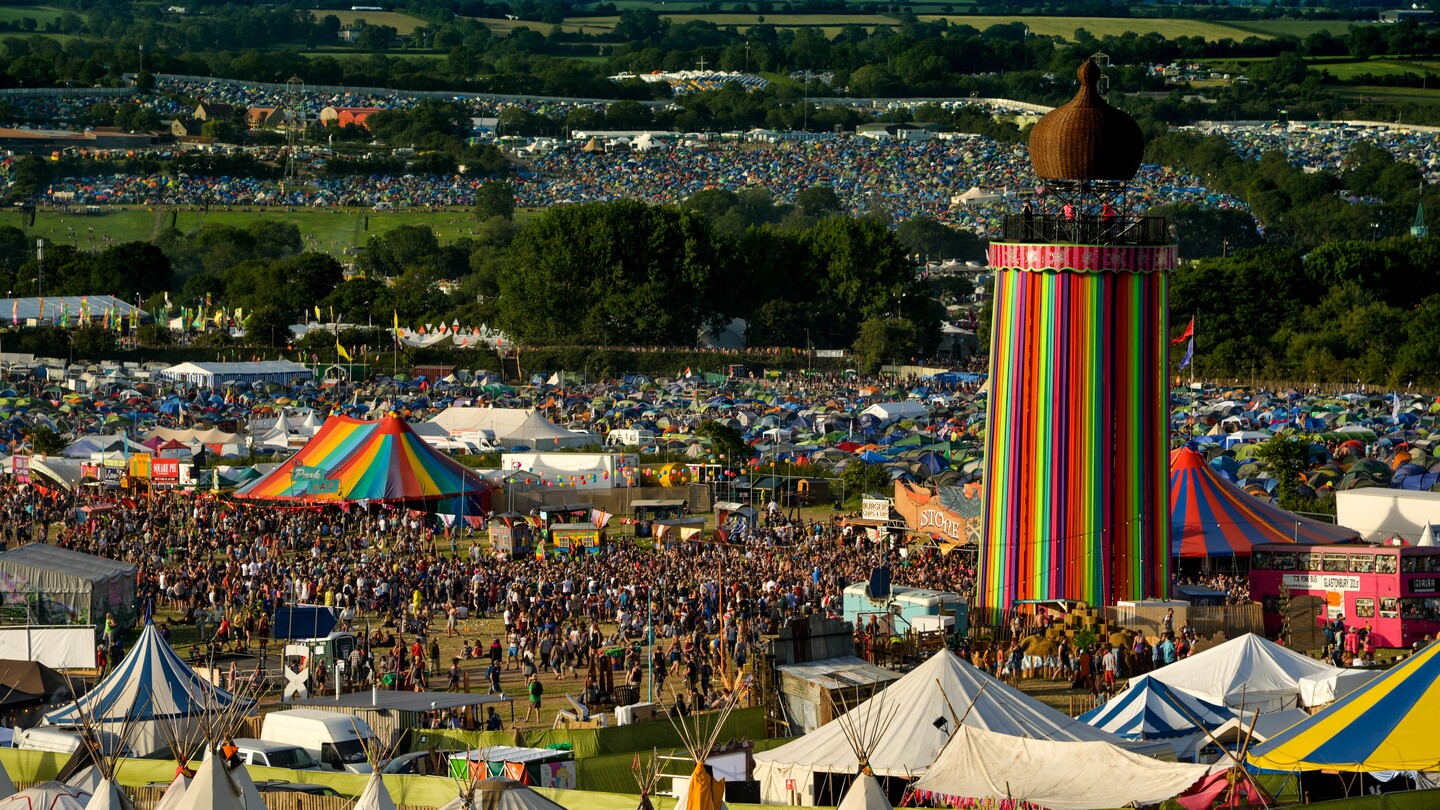
The BBC has been caught up in a major row since broadcasting the Glastonbury set of punk due Bob Vylan, who led a chant of "death, death to the IDF [Israel Defence Forces]" which was available to watch via a live stream on iPlayer.
In a statement, the BBC said: “We deeply regret that such offensive and deplorable behaviour appeared on the BBC and want to apologise to our viewers and listeners and in particular the Jewish community. We are also unequivocal that there can be no place for antisemitism at, or on, the BBC.”
The statement acknowledged that errors were made both in the lead-up to and during Bob Vylan’s appearance.
It said that Bob Vylan were one of seven acts deemed high risk at Glastonbury, but that all were deemed suitable for live streaming with appropriate mitigations.
Before Glastonbury, the BBC said a decision was taken that compliance risks could be mitigated in real time on the live stream – through the use of language or content warnings - without the need for a delay. “This was clearly not the case,” acknowledged the BBC statement.
The BBC noted that the live stream was monitored "in line with the agreed compliance protocols and a number of issues were escalated".
Warnings appeared on the stream on two occasions but, the BBC added: "The editorial team took the decision not to cut the feed. This was an error."
BBC Director General Tim Davie, who was attending Glastonbury himself on the day, was "subsequently made aware of what had happened and instructed the team that none of the performance should feature in further coverage".
The BBC said the team on duty prioritised stopping the performance from becoming available on demand, meaning that the set would not appear separately on iPlayer or BBC Sounds.
However, the live feed remained available for more than four hours, which meant viewers were able to rewind and view the content while BBC teams worked on a technical solution.
“Given the failings that have been acknowledged we are taking actions to ensure proper accountability for those found to be responsible for those failings in the live broadcast. We will not comment further on those processes at this time,” said the BBC.
It said it will now make three key changes to policy around livestreaming music events: Any music performances deemed high risk will now not be broadcast live or streamed live; BBC Editorial Policy support will always be available on site at major music festivals and events; and the BBC will provide more detailed, practical guidance on the threshold for withdrawing a live stream.
.jpg)
Expanded Future Tech to showcase the very best in innovation, technology and talent
After a successful debut in 2025, Future Tech returns to Hall 14 of the RAI this year, with more features, more innovation and more of the technologies shaping the next era of media and entertainment.
.jpg)
UK TV industry advocates out-of-hours guidelines
The UK television industry has backed new guidelines to minimise out-of-hours contact to help improve work-life balance in the sector.
.jpg)
EU approves Paramount's WBD acquisition with conditions
The European Commission has approved Paramount Skydance’s proposed $110bn acquisition of Warner Bros. Discovery.

Isabel Davis to become Director of BFI Filmmaking Funds
The British Film Institute (BFI) has named Isabel Davis as Director of its BFI National Lottery Filmmaking Funds.
Netflix uses GenAI on 300 titles in 2026
Netflix has revealed that nearly 300 titles on its platform have used generative AI, from early concept stages and pre-visualisation through to post-production and release.