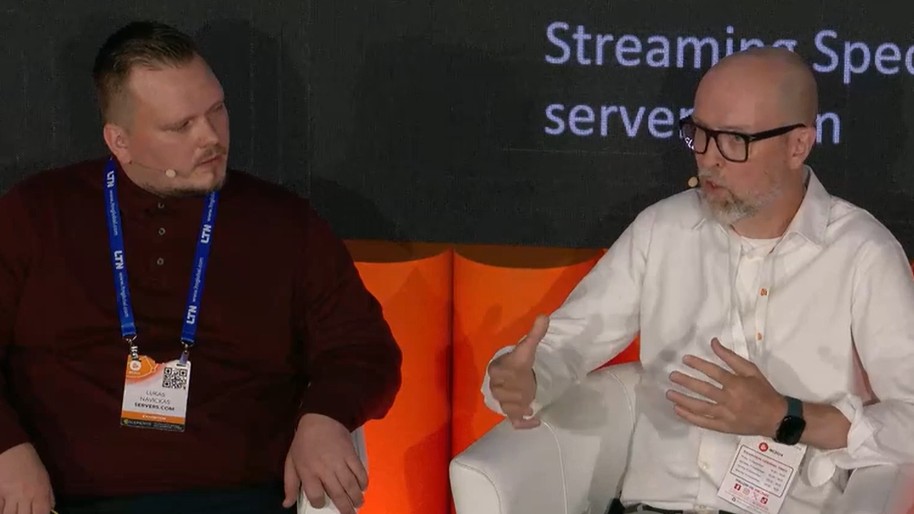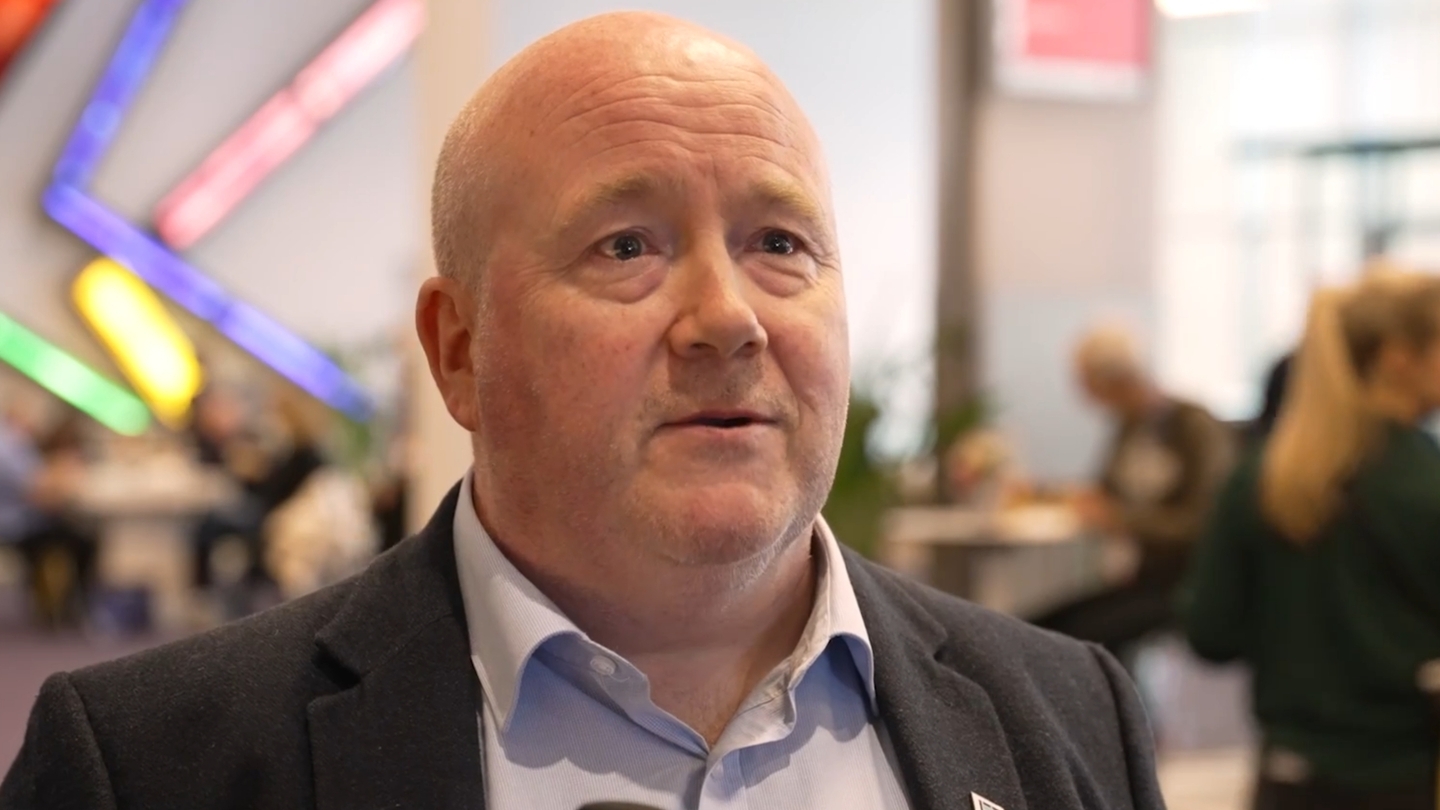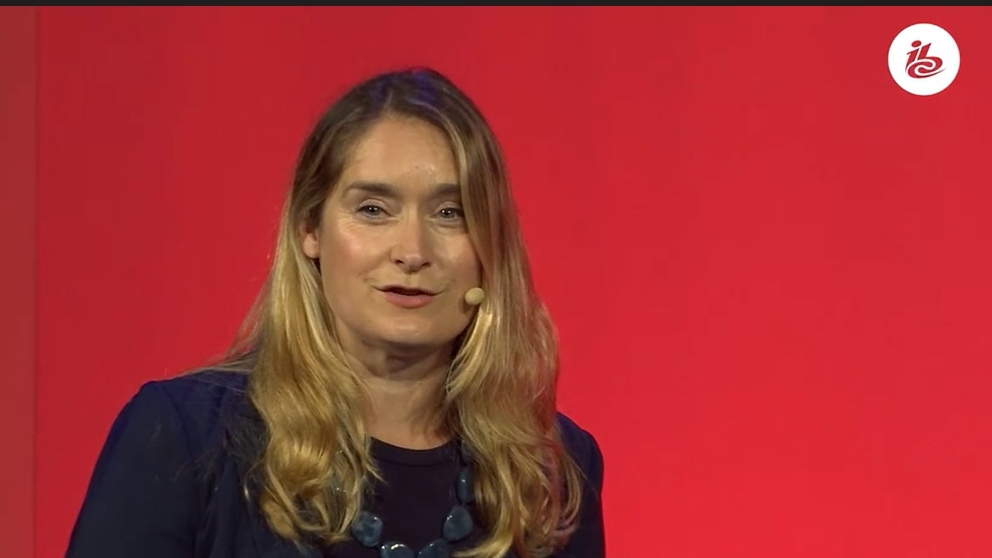
In the two-part session titled “Mobile TV - Finally?”, Peter Siebert of IEEE BTS, Jordi Gimenez of 5G MAG and Thomas Stockhammer of Qualcomm explored the potential of 5G Broadcast technology in transforming media consumption.
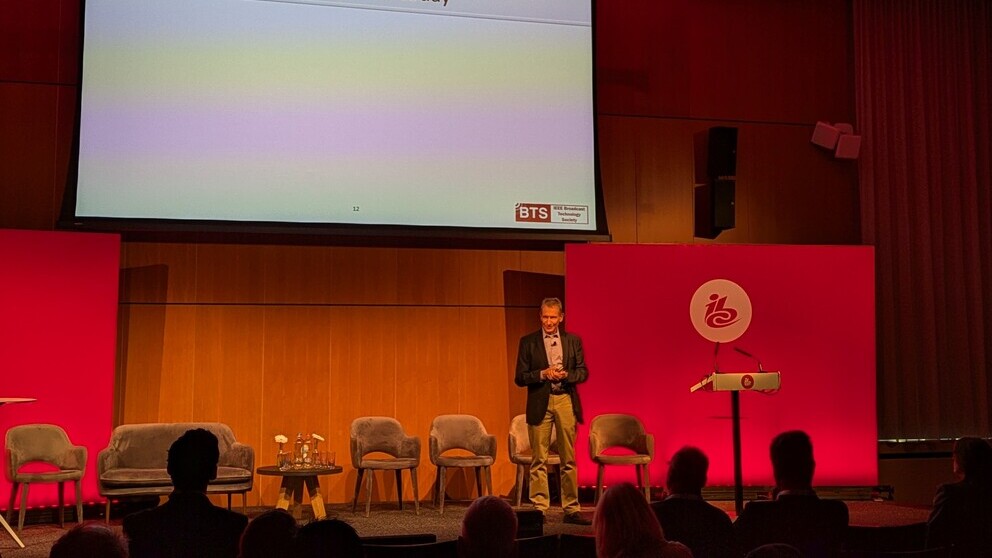
Introducing the technical session, Peter Siebert of IEEE BTS said the question mark in the title was deliberate. “There have been many attempts before and all have failed,” he said. “But now there’s a new kid on the block.”
Since 2011, the DVB has made three attempts at kickstarting a market reckoned at one point to be worth $20bn. Others tests include MediaFlo, ISDB in Japan, CMMB in China and with ATSC 3.0 in the US.
“Most have not been successful,” Siebert said. “All high power, high tower based broadcast to handheld schemes have failed.”
Technical problems have restricted reception in buildings necessitating an additional low to medium power network to reach handhelds inside the house, he said.
“None of the proponents have come up with a business model to compensate for the commercial costs.”
More worryingly, there’s been a lack of significant interest among end users in receiving broadcast television on a handheld. “That was the past. The future could be LTE-based 5G Broadcast,” Siebert added.
Crucially, this is being developed by the 3GPP, a mobile industry body not a broadcast organisation.
“It is compatible with existing 3GPP radio access specifications, the design is based on minimum additional hardware cost and it can be used without a SIM card, which I regard as very important,” Siebert said.
Further “special advantages” of the specification are that it permits easy integration with unicast and multicast bidirectional technology in the 5G standard and, as part of the 3GPP ecosystem, it’s more likely to be integrated in chipsets and handhelds.
“In short it has a higher likelihood to be supported by mobile network operators. So the question we really need to ask is, will these advantages be enough?”
Jordi Giménez, Head of Technology, 5G-MAG (Media Action Group) provided a demonstration of the technology at IBC. Also seeking answers to Siebert’s question were Diego Gibellino from Italian mobile operator TIM and Thomas Stockhammer, Qualcomm.
You are not signed in
Only registered users can comment on this article.

Netflix uses GenAI on 300 titles in 2026
Netflix has revealed that nearly 300 titles on its platform have used generative AI, from early concept stages and pre-visualisation through to post-production and release.

Poppy Dixon appointed BBC Head of Documentaries
The BBC has appointed former Sky executive Poppy Dixon as its Head of Documentaries.
Virgin Media launches AI robots to monitor TV network in real-time
Virgin Media has created its own AI robots to monitor its television network quality in real-time in a bid to quickly identify and resolve any issues when they occur.

US government seizes over 1,000 websites streaming FIFA World Cup
Global anti-piracy coalition the Alliance for Creativity and Entertainment (ACE) has applauded the US government’s seizure of over 1000 illegal websites streaming the FIFA World Cup over the past month.

Channel 4 names Simon Rexworthy as Chief Strategy and Corporate Development Officer
Simon Rexworthy has been named Channel 4’s Chief Strategy and Corporate Development Officer. He will report to Chief Executive Priya Dogra and join the broadcaster’s executive committee.