
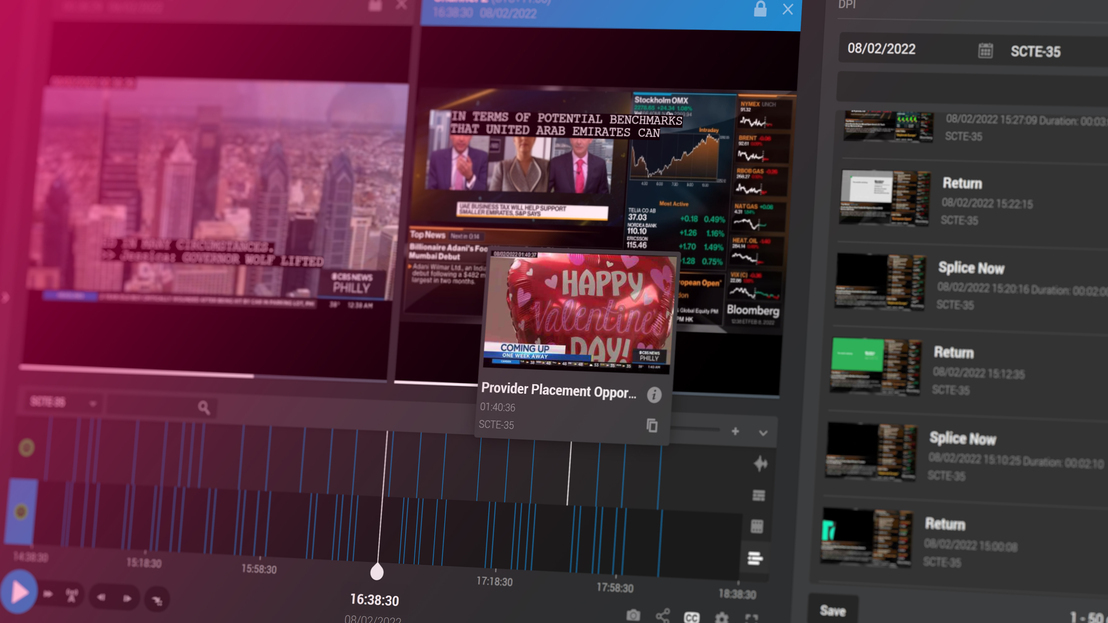
The rapid but unpredictable rise of AI is making it harder than ever for companies in broadcast & media to predict their future skills requirements – but that shouldn’t be a reason to fall into despondency, discovers David Davies.
The consensus view is that broadcast & media has been facing an increasingly serious skills crisis for several years now. In particular, the combination of limited access to training in some technical disciplines and the retirement of a generation of senior engineers has yielded a ‘perfect storm’ of challenges that will afflict broadcasters for the next decade at least.
To that mix one can now add the rapid but deeply unpredictable rise of AI. The likely impact on some roles – for instance, basic editing and the more repetitive aspects of localisation – isn’t too hard to predict. But with new applications emerging all the time, and meaningful regulation only beginning to emerge (led by the EU, which has just reached provision agreement on new legislation) – let alone gain parity with the pace of innovation – taking the long view is increasingly challenging...
You are not signed in
Only registered users can read the rest of this article.
.jpg)
Content Everywhere stages: Groundbreaking tech and real-world results converge
IBC2026’s Content Everywhere hub in Hall 5 will host nearly 200 exhibitors showcasing multi-platform delivery and monetisation innovations, alongside two stages of panel discussions and live demonstrations.
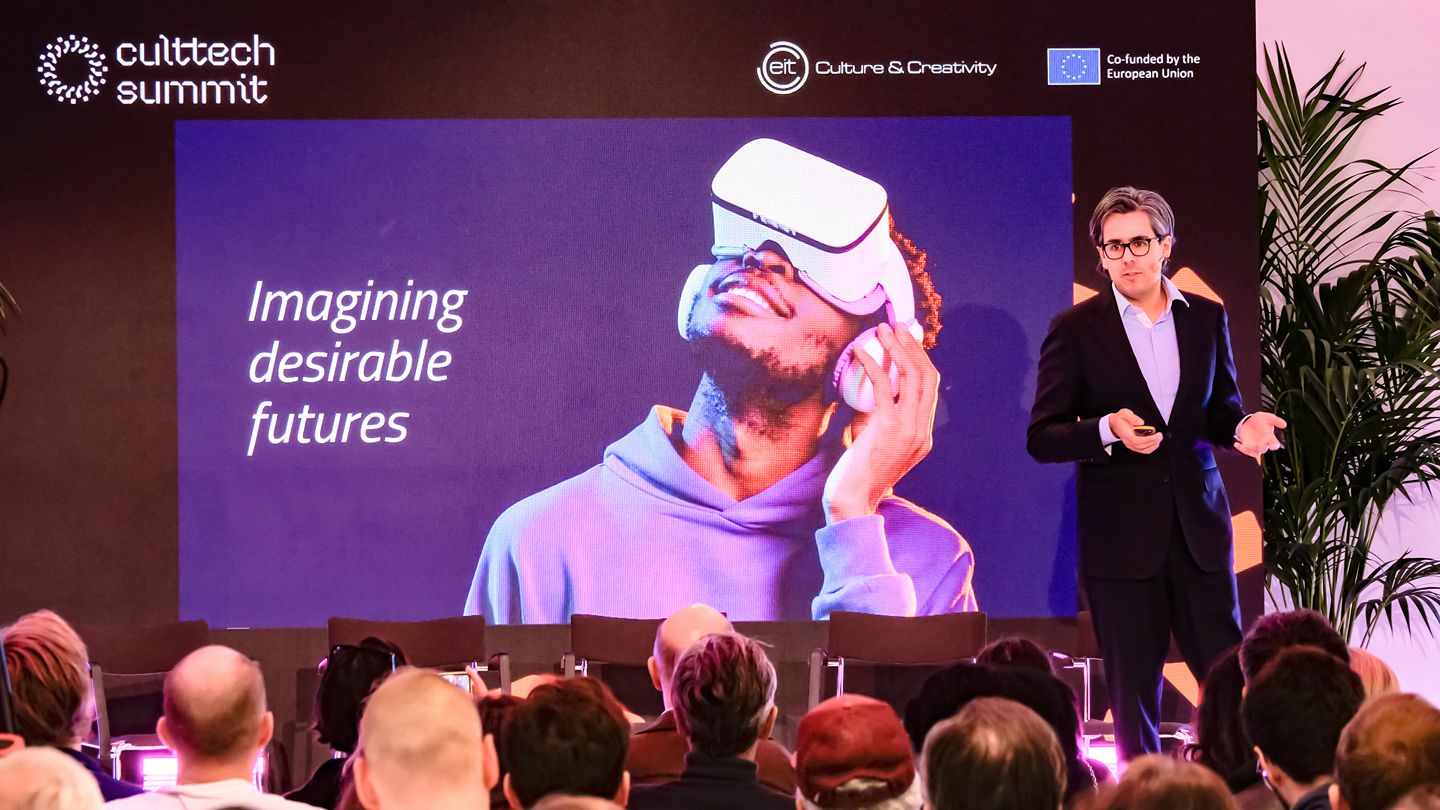
From AI production to immersive media: European innovators to watch at IBC2026
From generative production and AI-powered post-production to content discovery, immersive experiences and next-generation imaging, a group of EIT Culture & Creativity-backed ventures arriving at IBC2026 offers a snapshot of where European media innovation is heading next.
.jpg)
Innovation Awards: Exploring Content Distribution's final three
Amid a sea of competitive entries, Fergal Ringrose, Chair of Judges for the IBC Innovation Awards, breaks down the shortlisted Content Distribution entries to demonstrate exactly what got them over the line.

Network Control: Turning 5G into a production tool
Speed, flexibility, and reliability – that’s the dream for many a live production. However, when public network coverage is patchy, what’s a broadcaster to do? The 2026 Accelerator Project, Network Control, deploys standardised network APIs to tackle this problem head-on.
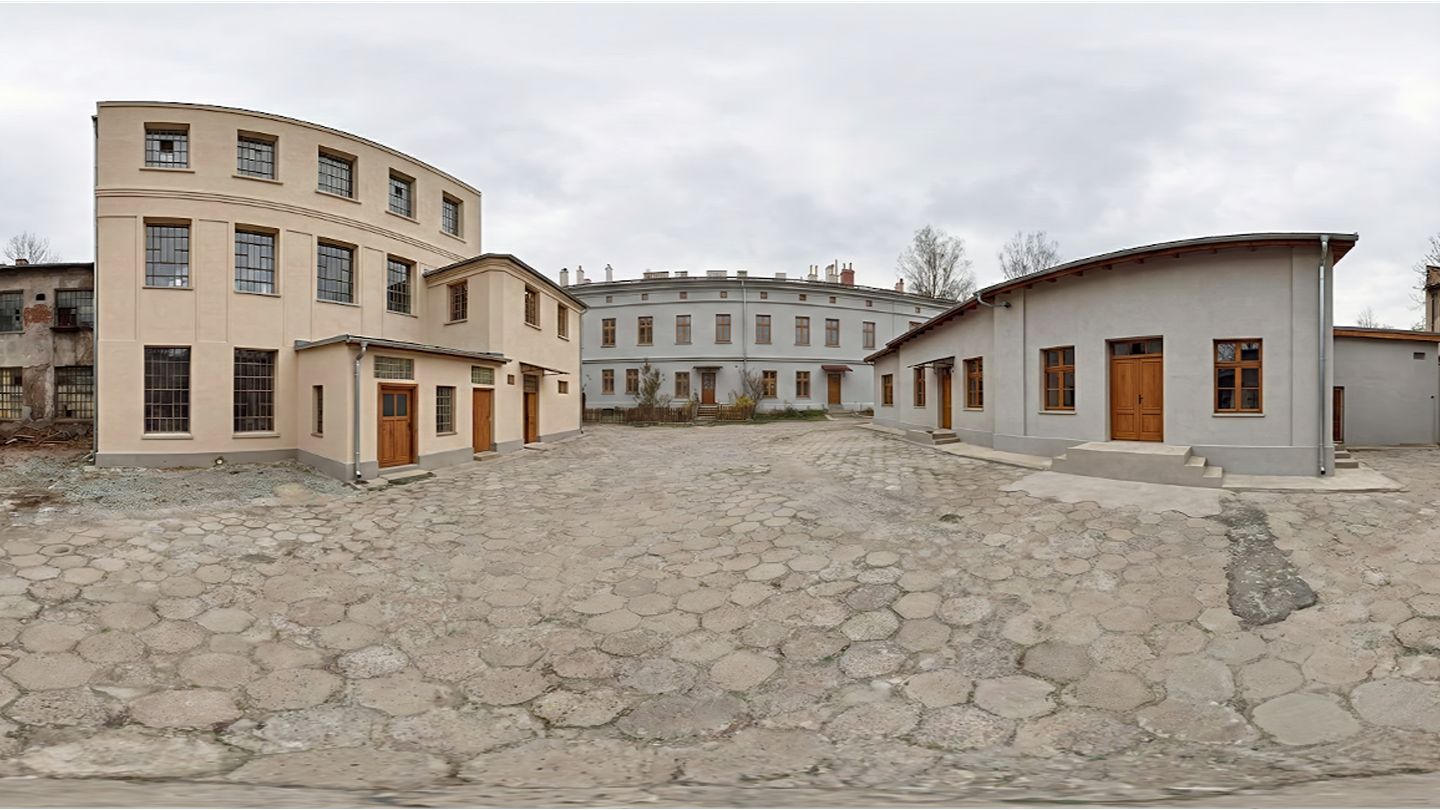
Film University Babelsberg to preview immersive Auschwitz project at IBC2026
Film University Babelsberg Konrad Wolf will present an immersive digital reconstruction of a little-known site associated with Auschwitz at IBC2026, as part of EIT Culture & Creativity's first major presence at the show.
.jpg)
.jpg)
.jpg)
.jpg)