
The UK television industry has backed new guidelines to minimise out-of-hours contact to help improve work-life balance in the sector.
The new Action for Freelancers (AfF) guidance document – titled Contact: A Guide to Work-Life Boundaries – sets out seven shared principles for commissioners, production companies, managers, and freelancers working in both scripted and unscripted.
The guidance has been endorsed by the BBC, ITV, Channel 4, UKTV, BBC Studios, ITV Studios, Fremantle, Banijay UK, Bectu, and CIISA.
.jpg)
Out-of-hours contact is regularly cited as one of the most consistent sources of stress and burnout in television, with pressure to respond often landing hardest on freelancers. Namely, this is because these workers can feel like their next job depends on replying.
The Film and TV Charity's 2024 Looking Glass survey found that 35% of the industry's workforce rated their mental health as poor or very poor, with long hours and poor work-life balance among the drivers.
The AfF principles include clearer habits and shared expectations that productions can adopt. Leaders are asked to model the behaviour they want to see. Productions are asked to set contact windows, and agree what counts as a real emergency before filming starts. Teams are also asked to use tools like delay-send and clear labelling in email signatures.
The principles were developed by AfF's Working Conditions working group, which brings freelancers, broadcasters, and production companies around the same table. They align with the CIISA standards and point production leaders to the Film and TV Charity's Principles for Mentally Healthy Productions.
James Taylor-Tovey, Project Director of AfF, explained: "As freelancers, we’ve all had the production WhatsApp group pinging into the night, or emails landing over the weekend. It's crept up on us – the same phone that holds your family photos now holds your work inbox. These deceptively simple guidelines could have a huge impact on setting boundaries between work and home life. I also know that when freelancers are relaxed, fully rested, and less stressed, they bring their best selves to work and do a better job."
Kate Phillips, Chief Content Officer at the BBC, added: "These practical guidelines are invaluable to everyone involved in a production. We need to respect the boundaries between work and home life, and the downtime needed by all to help ensure long-term health and happiness."
Patrick Holland, Executive Chair and CEO of Banijay UK, said: "Freelancers are the lifeblood of our industry and Banijay UK is delighted to support AfT and the work it does to support, protect, and enable these important roles. This guidance around out-of-hours contact is a great example of how the industry can come together to support healthy, happy and sustainable working practices."
The seven AfF principles include:
- Leaders must model the behaviour. Senior figures set the tone, and reassurance that not responding out of hours carries no penalty must be repeated throughout a production.
- Set contact windows, rotate on-call responsibility, or time-shift – including at least 11 hours free of messages between wrap and next call, in line with Working Time Regulations.
- Agree what counts as a real emergency – before production starts, and document it at induction.
- Use the right channel for the right level of urgency – WhatsApp and direct messages for genuinely time-sensitive issues only.
- Use delay-send, add clear labels to emails and messages – so a flexible working pattern never becomes implied urgency for the receiver.
- Make it safe to raise concerns – including anonymously, in line with CIISA Standards (Open and Accountable Reporting Mechanisms).
- Support flexible working – no individual's working pattern should ever create an obligation, spoken or unspoken, for someone else to match it.
The Film and TV Charity’s second Money Matters report recently reported that a large proportion of the UK’s film, TV, and cinema industry workforce is under severe and escalating financial pressure and that many are being “forced to leave” due to unsustainable circumstances. Discover more here.
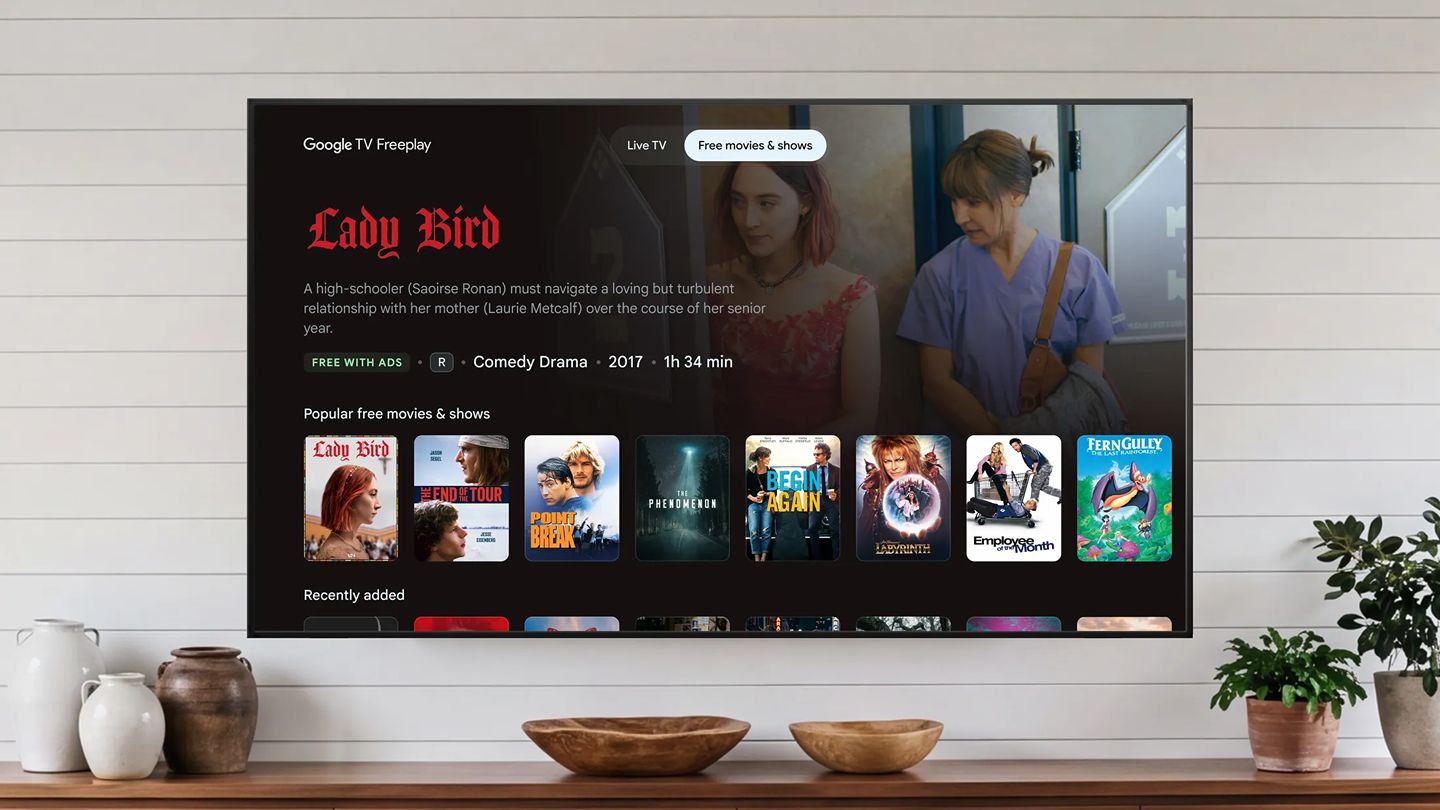
Google TV upgrades Freeplay streaming service
Google is upgrading its US free streaming service Google TV Freeplay, adding on-demand video to its FAST channel offering.

iPhone users outspend Android users on booming micro-dramas
iPhone users spend around 40% more on micro-drama apps than Android users, according to Omdia research, challenging common assumptions about who consumes and pays for the rapidly growing form of entertainment.
.jpg)
Full IBC2026 conference agenda: Innovators and technology leaders take to the stage
Exploring the three core pillars of IBC2026 – shifting business models, transformative tech, and people and purpose – this year's free-to-attend showfloor content programme will address the biggest issues impacting the global media and entertainment community.

OBS to receive IBC2026 International Honour for Excellence
IBC will present the International Honour for Excellence (IHFE) to Olympic Broadcasting Services (OBS) – recognising the company’s decades of innovation in live sports production and its far-reaching impact on the global broadcast industry.
.jpg)
ESPN and Disney+ test AI-powered search and discovery tools
Disney-owned platforms ESPN and Disney+ are beta testing AI-powered features designed to help audiences find information and content.
.jpg)
.jpg)

.jpg)