VFX and animation studio Cinesite has secured a new long-term funding package of $215m to support its continued operations, technological innovation and strategic expansion.
Cinesite said the funding package will help it to overcome the challenges posed by recent industry disruptions such as the LA wildfires as well as the impact of the Hollywood strikes that have affected the sector. Recent weeks have seen the closure of leading VFX company Technicolor and Jellyfish Picture's suspension of operations.

NatWest Corporate Bank led the financing alongside the studio’s long-standing relationship banks Barclays and Santander. Its shareholders, including family office Gryphion, supported the overall package of senior and junior debt and equity lines.
Cinesite said it will consider strategic acquisitions and partnerships to achieve its medium- and longer-term objectives.
"We have served this industry for over 30 years and in that time we have seen many changes; our longevity comes in part from our ability to adapt. In the next phase of our business you can expect to see us taking advantage of opportunities thrown up by the disruption of the past couple of years," said Cinesite Group CEO Antony Hunt. "Thanks to the renewed commitment of our banks, shareholders and other stakeholders and the ongoing confidence our clients place in our services, we will continue to produce exceptional work for audiences, while fuelling innovation and studio growth."
"This funding package underscores the conviction of Cinesite’s shareholders and banks in the industry's recovery and the continued demand for high-quality visual narratives," said William Ford, Chief Investment Officer at family office Gryphion. "Cinesite's strategic market position and growth potential, combined with its ability to consistently produce top-tier entertainment during unprecedented times, made renewing our support a straightforward choice. We are confident in Cinesite’s leadership and their ability to thrive as the broader industry restores its equilibrium."
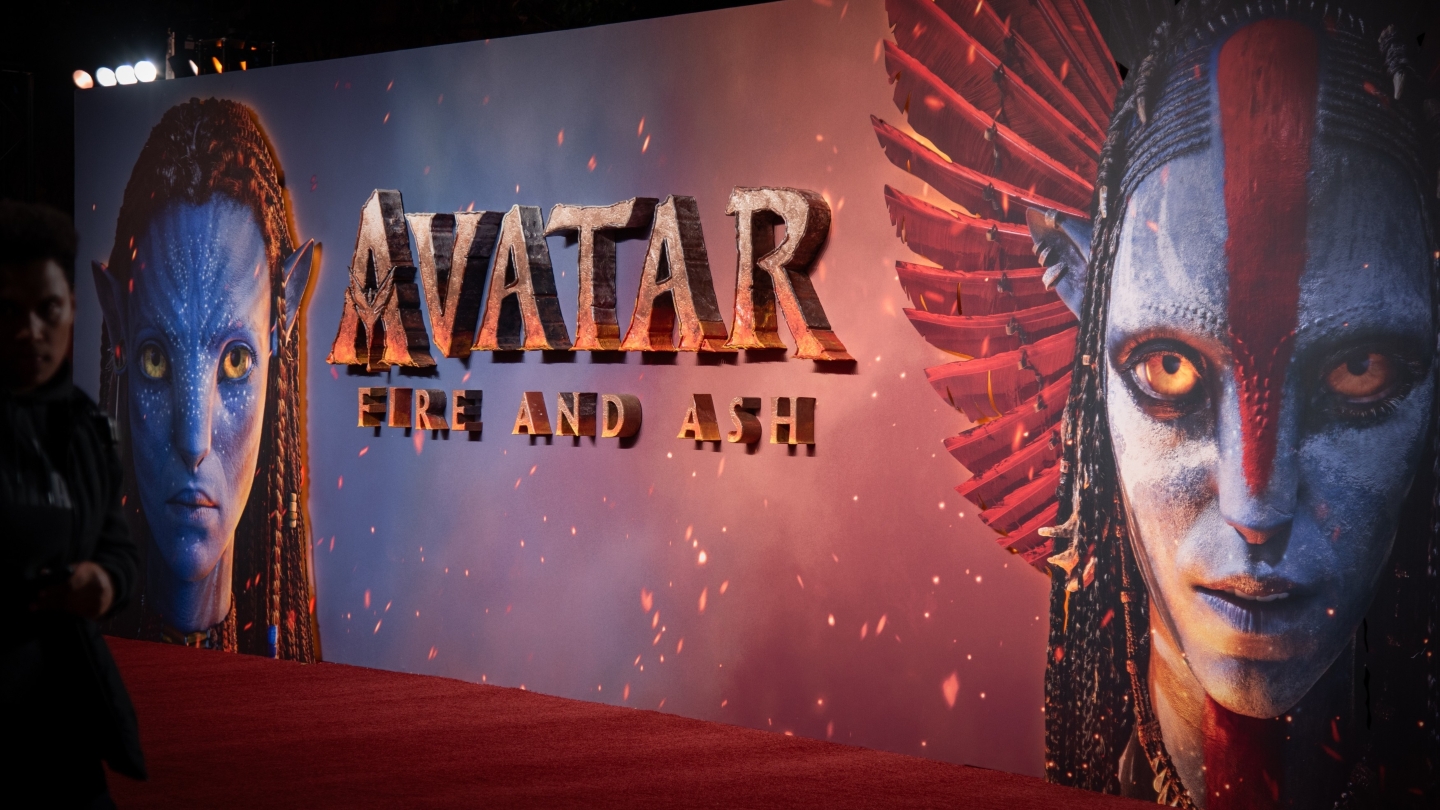
Established in 1991 and headquartered in London, Cinesite’s VFX spans the Marvel Cinematic Universe, James Bond, and Harry Potter franchises, as well as television series such as The Witcher, The Mandalorian, and Band of Brothers.
Cinesite’s upcoming projects include Warfare, Michael , G2O and a new Smurfs film.
The studio has moved into animated series with productions like Iwájú for Disney+, gaming cinematics such as Invincible: Guarding the Globe for Ubisoft as well as immersive content for clients such as the multi-sensory experience Frameless and The National Portrait Gallery.
The Cinesite group also includes Image Engine, TRIXTER, Imaginarium Studios, L’Atelier Animation, FX3X, Assemblage Entertainment, and Squeeze Animation.
You are not signed in
Only registered users can comment on this article.
.jpg)
Expanded Future Tech to showcase the very best in innovation, technology and talent
After a successful debut in 2025, Future Tech returns to Hall 14 of the RAI this year, with more features, more innovation and more of the technologies shaping the next era of media and entertainment.
.jpg)
UK TV industry advocates out-of-hours guidelines
The UK television industry has backed new guidelines to minimise out-of-hours contact to help improve work-life balance in the sector.
.jpg)
EU approves Paramount's WBD acquisition with conditions
The European Commission has approved Paramount Skydance’s proposed $110bn acquisition of Warner Bros. Discovery.

Isabel Davis to become Director of BFI Filmmaking Funds
The British Film Institute (BFI) has named Isabel Davis as Director of its BFI National Lottery Filmmaking Funds.
Netflix uses GenAI on 300 titles in 2026
Netflix has revealed that nearly 300 titles on its platform have used generative AI, from early concept stages and pre-visualisation through to post-production and release.