
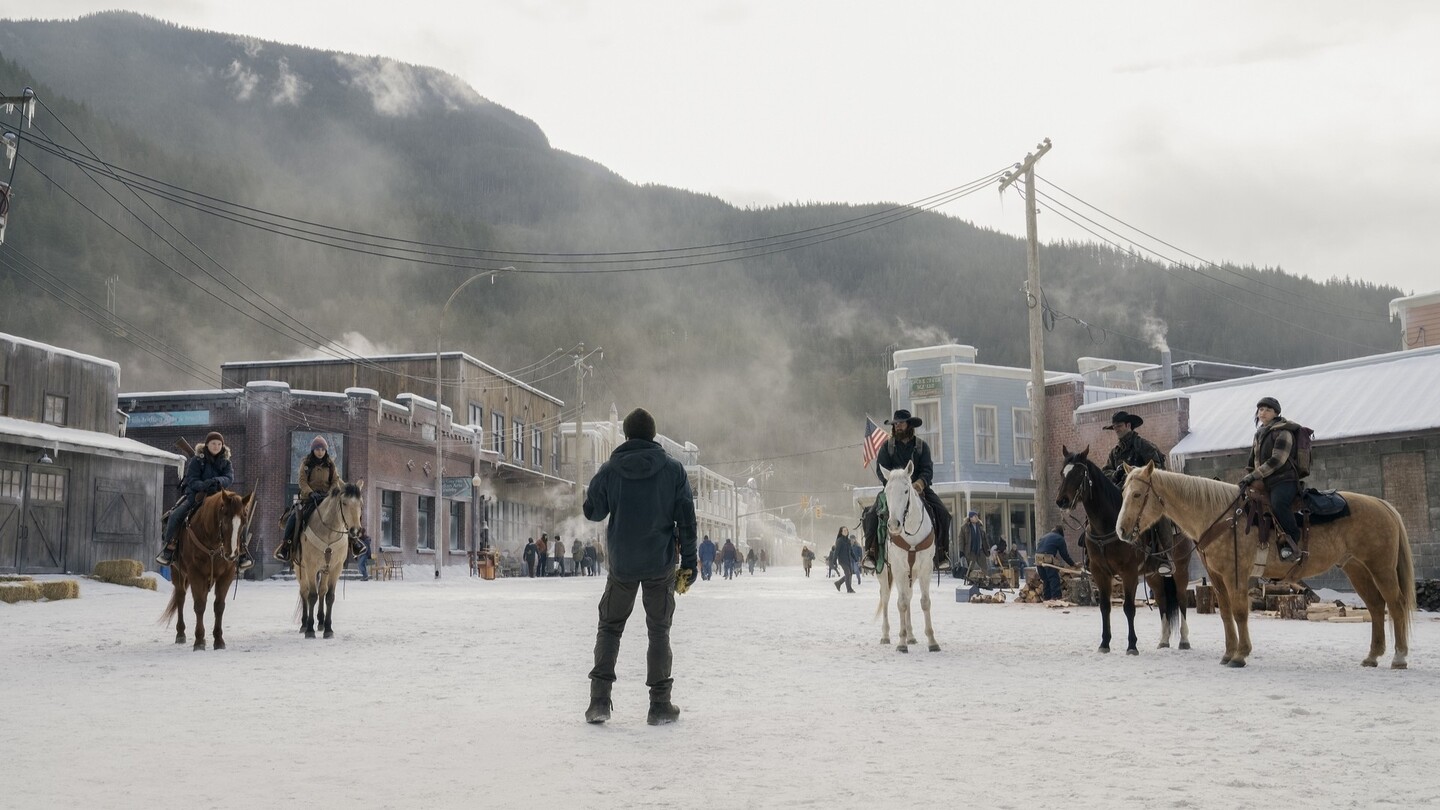
There is a version of episode 2 where the brutal death of a loved character isn’t quite so extreme. But they chose not to go there, explains editor Timothy A Good.
The makers of action adventure The Last of Us broke their own rules in depicting the tragic death of one of its main characters, according to the show’s lead editor Timothy A Good. Episode two of the second season is already notorious for showing one of the most brutal on-screen deaths, but there was a version where the audience wasn’t put through as much emotional torture.
“Normally we don’t show the moment of violence,” Good explains. “We cut away and show reaction from the character’s perspective. We tried that version. Craig [showrunner Craig Mazin] said, ‘What if we break our rule for the first time?..."
You are not signed in
Only registered users can read the rest of this article.
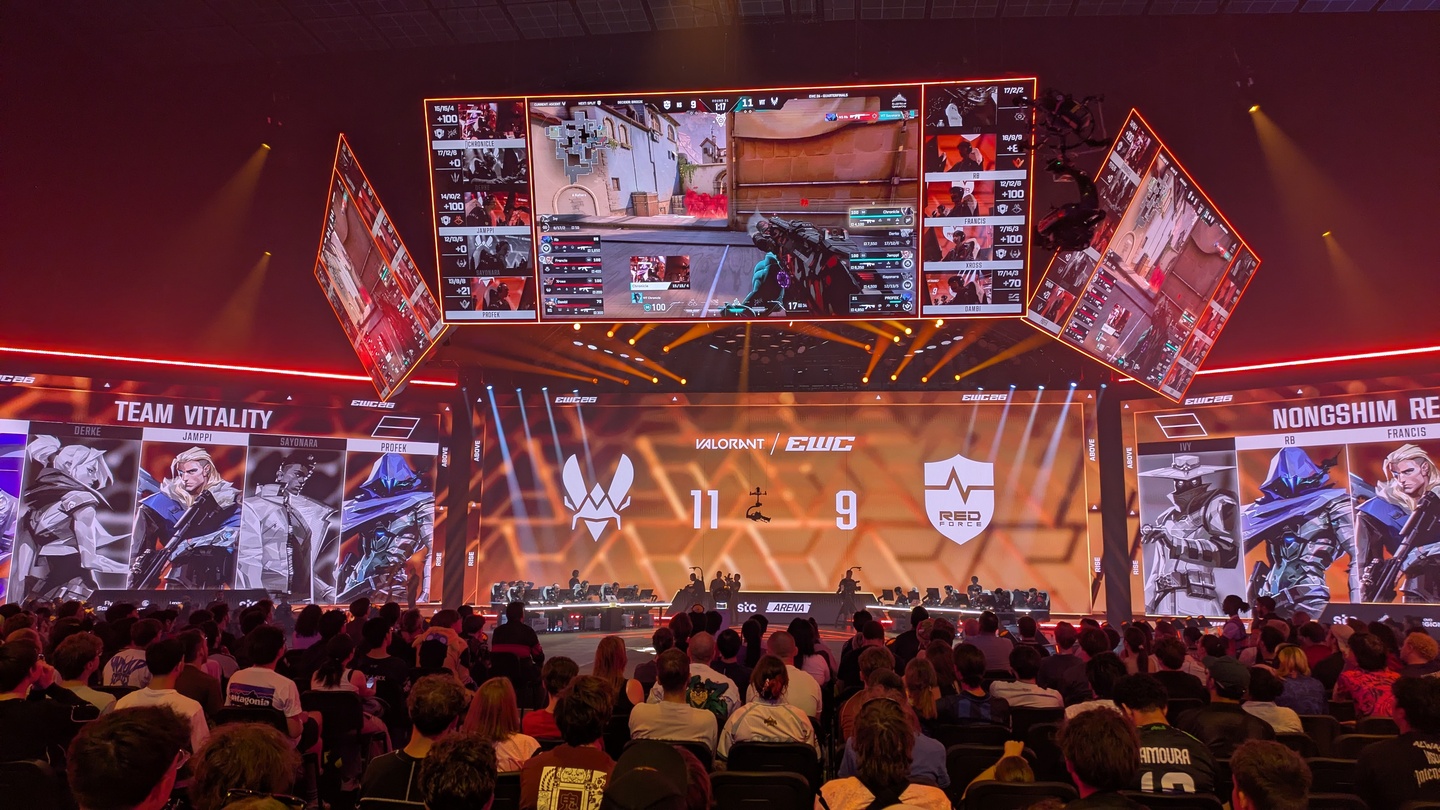
Esports World Cup: “Mainstream media is a big part of this now, we have to deliver enough content”
A last-minute pivot to Paris brought its own set of challenges as ESL FACEIT assembles the world’s largest esports event. Adrian Pennington reports.
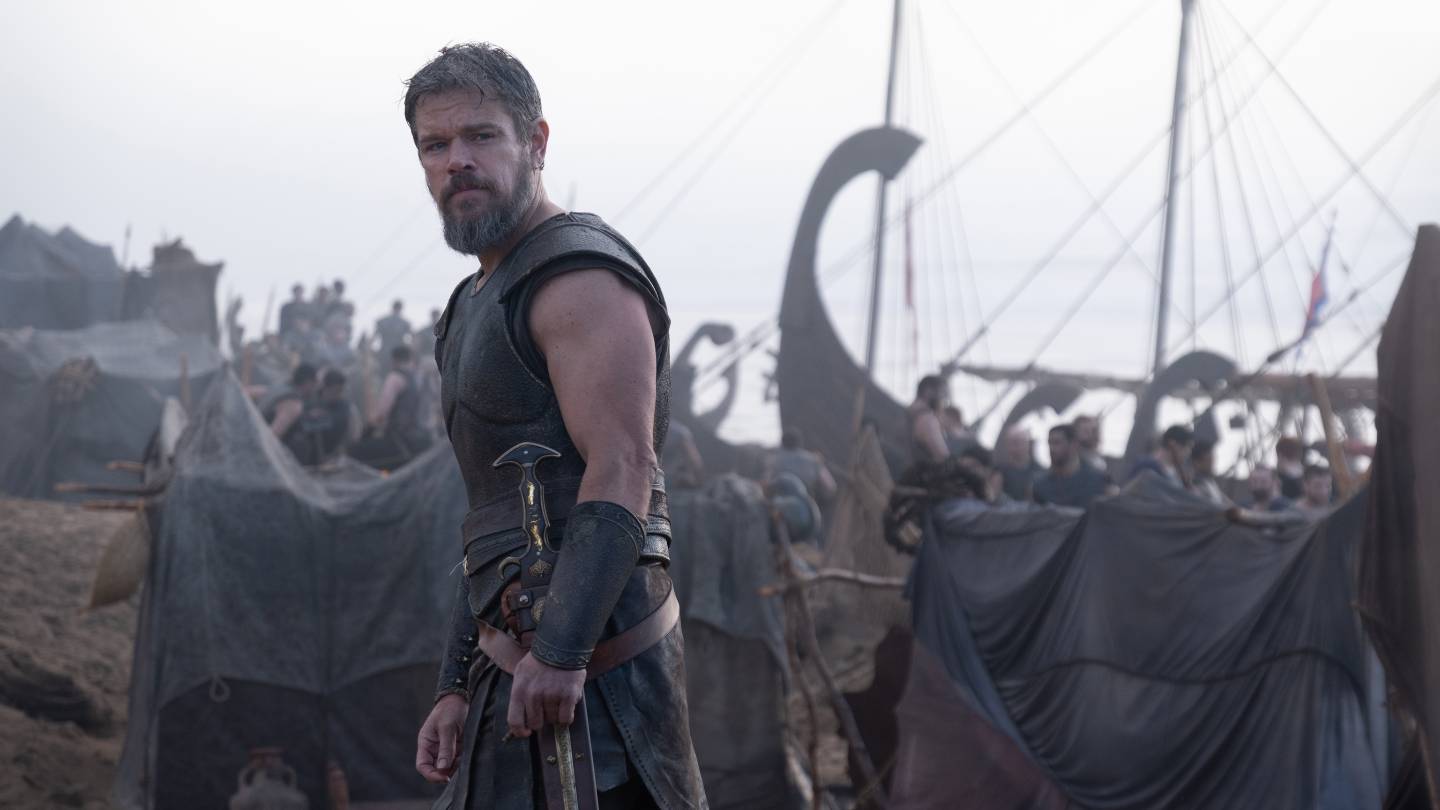
Behind the Scenes: The Odyssey
Art and technology combine for epic storytelling, if you believe the marketing for Christopher Nolan’s latest.
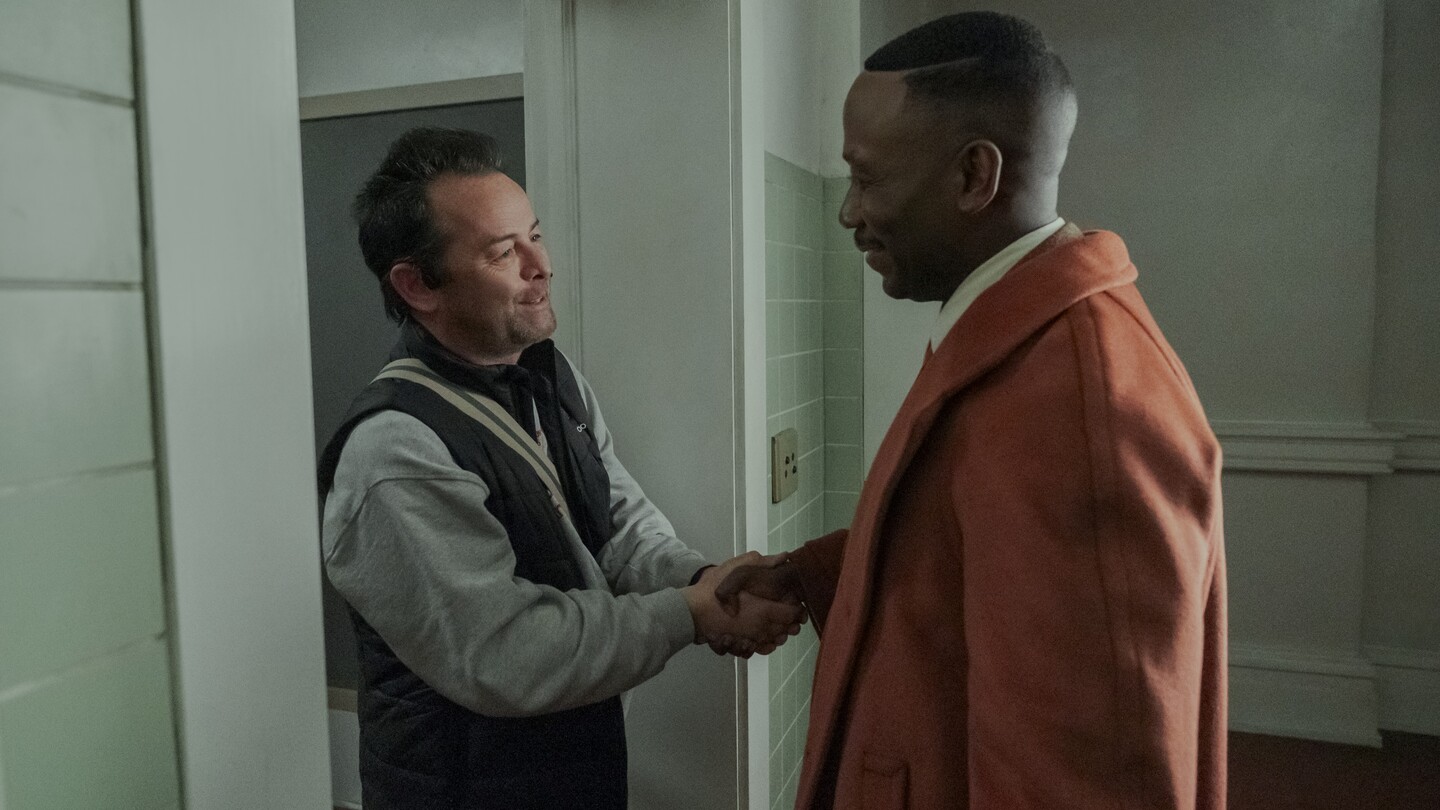
Behind the scenes: Spider-Noir
The Marvel universe series is designed to work both as a gritty monochrome detective story and as a stylised, visually saturated comic book world.

Behind the scenes: FIFA World Cup 2026
Time-zone differences, travel demands, and the geographic spread of host cities are forcing FIFA’s host broadcast and rights holders to rethink traditional production approaches.
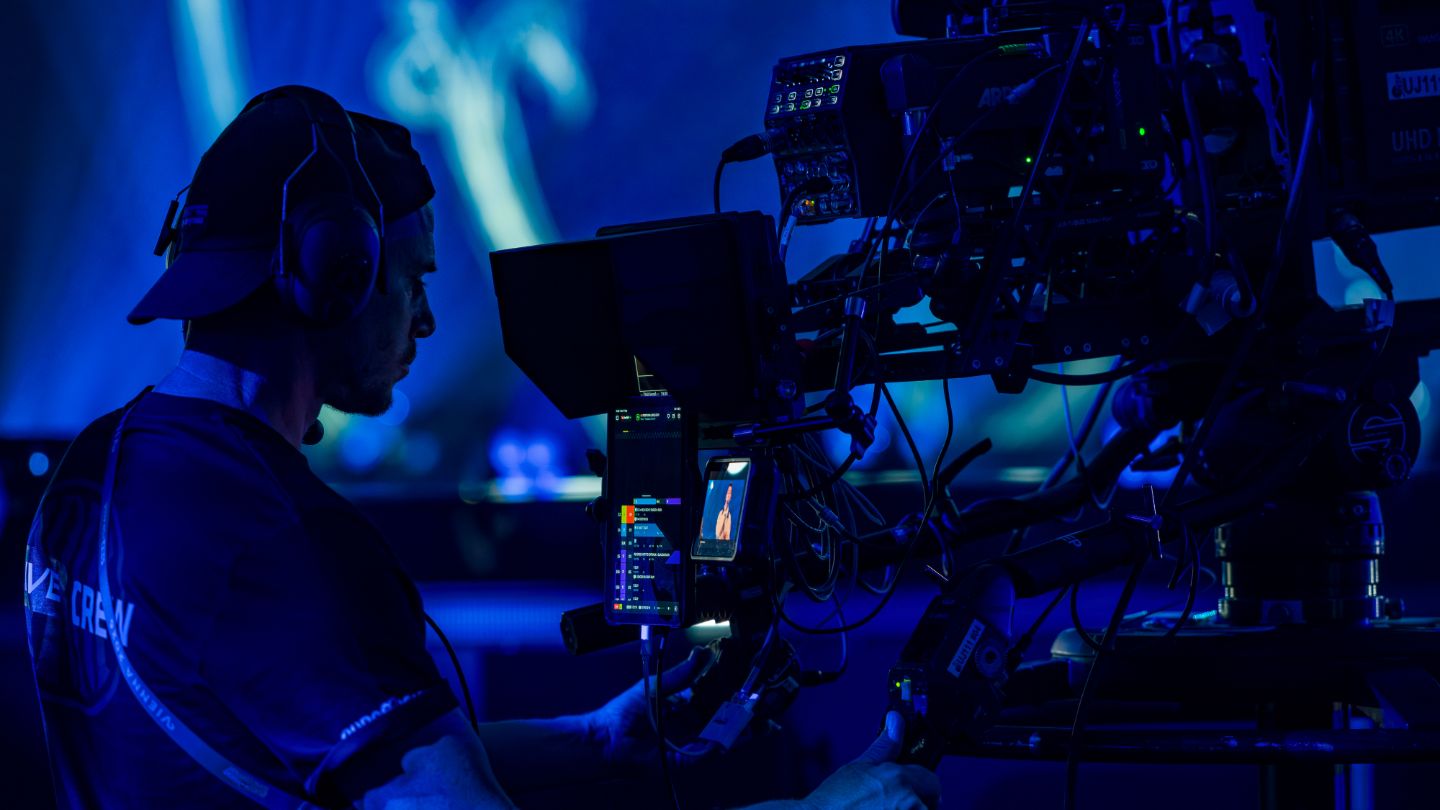
Behind the scenes: Eurovision Song Contest 2026
What began as a technical experiment in 1956 is now a global cultural institution reaching approximately 170 million viewers on TV across three live shows and generating billions of views on digital platforms. IBC365 gets a tour backstage in Vienna.
 (1).png)