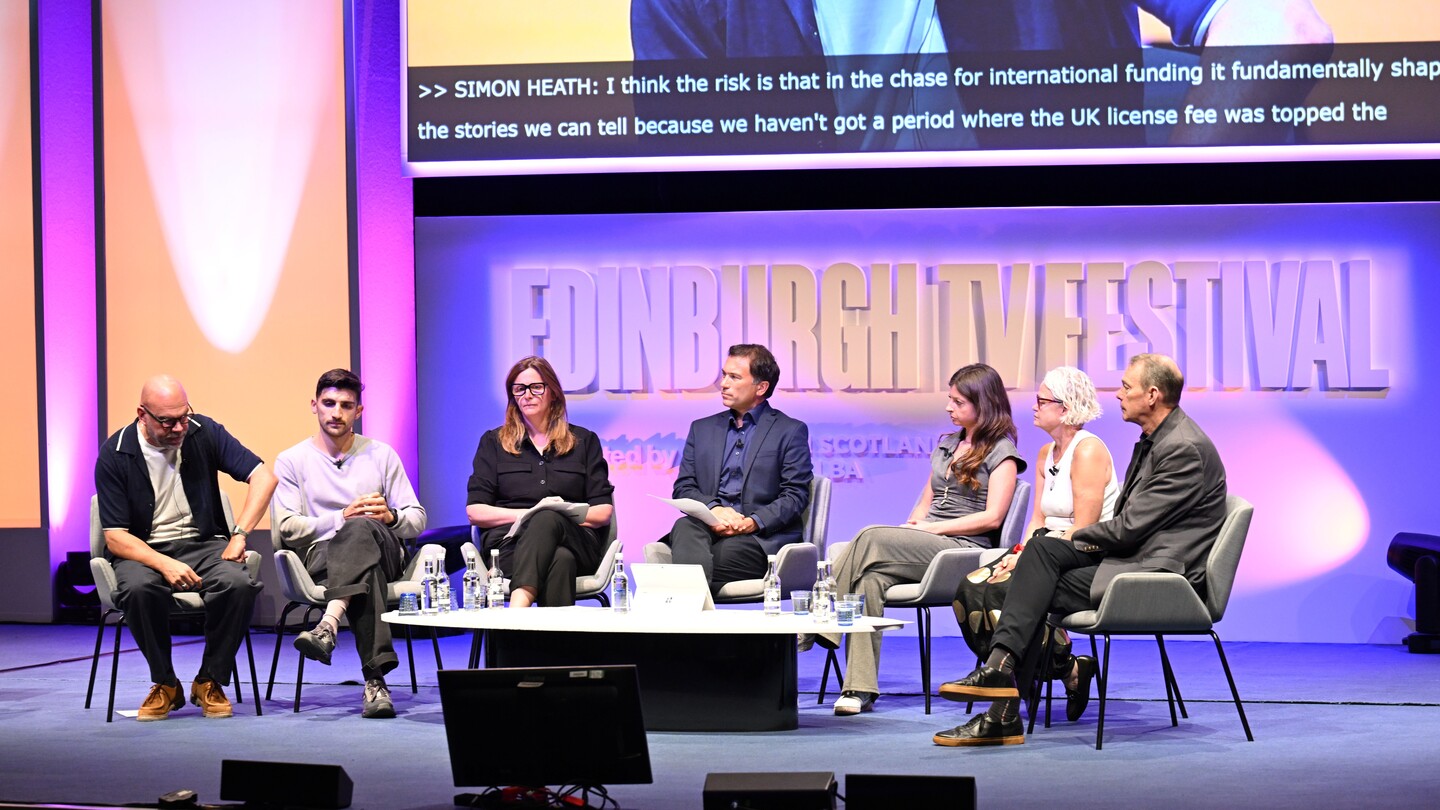
British TV is in the midst of generational transformation and, for better or for worse, is ever more directly affected by the global TV industry.
Netflix were called ‘TV tourists’ for hoovering up British TV talent after public service broadcasters had put in all the hard work and funding, during the 50th Edinburgh TV Festival.
This was related to a heated debate about how public service broadcasting should be protected and came alongside multiple warnings about the chilling effect of political interference on mainstream news.
You are not signed in
Only registered users can read the rest of this article.

IBC Incubator: Connecting context for end-to-end agentic production
After years of AI experimentation, this year, the IBC Incubator plans to birth a single, agentic brain that can hold every bit of a story’s context from conception to distribution.
 (1).png)
IBC Accelerator: Bringing order to the studio selection process
A new project, kickstarted and nurtured as an IBC Accelerator, aims to deploy digital twin technology to streamline discoverability of the UK’s studio space and help producers make smarter, more sustainable choices.
Media over QUIC: M&E's transport revolution has arrived
For media companies preparing for the next decade of streaming, MoQ may be the most important standard they haven’t yet deployed.
.png)
Crystal Clear: Boosting speech intelligibility in media
For an issue that affects almost every television viewer, dialogue intelligibility remains surprisingly difficult to define.
IPMX, ST 2110, and the battle for the network
As the reach of the IP Media Experience (IPMX) initiative continues to grow, David Davies looks at the origins of the initiative, the areas it has achieved greatest traction to date, and what the future might bring.