A coalition of leading industry players has launched an action plan to support the growth and development of programmatic TV across the UK, Germany, France, Italy and Spain.
Titled ‘A Roadmap for Programmatic TV in Europe’, the action plan proposes five key initiatives to fix the technical, operational, and commercial bottlenecks that still hold the market back.
.jpg)
It is published by the European Programmatic TV Initiative (EPTVI) — backed by The Trade Desk, Google, OpenX, PubMatic, Equativ, Cadent, Magnite, and Adform — and supported by The Project X Initiative.
The roadmap outlines steps to build trust, interoperability, and scale. It also calls for stronger alignment between broadcasters and buyers, arguing that a more connected ecosystem is essential to unlock the commercial and operational benefits of programmatic TV.
The five proposals are:
- Establish a cross-industry steering group to align efforts across broadcasters, agencies, platforms, and trade bodies.
- Define and adopt a set of shared ‘North Star’ principles for quality, transparency, and interoperability in premium programmatic TV.
- Launch a certification programme for premium programmatic partners to give buyers and sellers confidence that commercial and technical standards are being met.
- Develop a set of shared components, assets and frameworks – core components – that can support the adoption of programmatic trading, reduce duplicated effort, and fix the basics that still slow campaigns down.
- Facilitate a collaborative, open and participatory model to support shared learning, including support for live pilots across key markets to test how things work in real conditions.
The findings are based on insights from more than 100 senior stakeholders across Europe’s TV and advertising ecosystem.
The proposals are being taken forward into Stage Two of the initiative, which launches this summer, with support from an Industry Steering Committee involving key industry participants from across the European market.
The report comes at a time when TV audiences are shifting to connected and on-demand environments, creating opportunities for programmatic sales and execution.
However, adoption has been relatively slow, when compared to some other regions, due to misalignments with existing TV ad sales models and regulatory requirements, uncertainties about the commercial benefits, and concerns about sovereignty, control, data and measurement.
Jon Watts, Executive Director of The Project X Initiative, said: “This report is not a theoretical exercise. It sets out a series of practical proposals designed with and for the industry, focused on reducing friction, joining up fragmented systems, and making programmatic TV easier to buy and sell. The proposals are designed to give commercial broadcasters, advertisers and technology providers the confidence to move forward. It’s about turning intent into action.”
Justin Gupta, Head of Broadcast & Video Ads, EMEA at Google, said: “The digital transformation of TV means every broadcaster now has a digital ads business. Although riding two horses can be challenging, this shift opens the door to new buyers and richer targeting. Standardising and automating workflows is critical — it’s how we enable the next wave of innovation in TV advertising.”
Sven Hagemeier, GM, Inventory Development at The Trade Desk, said: “Advertisers today care less about cheap reach and more about value. They're willing to pay higher CPMs when they can use data to manage frequency and target precisely. That drives better results and stronger returns for publishers. The shift is already underway, and it’s powered by privacy-safe identity solutions.”

Disney+ takes global rights to Formula E
Disney+ is to become the global streaming home of Formula E, the all-electric motorsports championships.
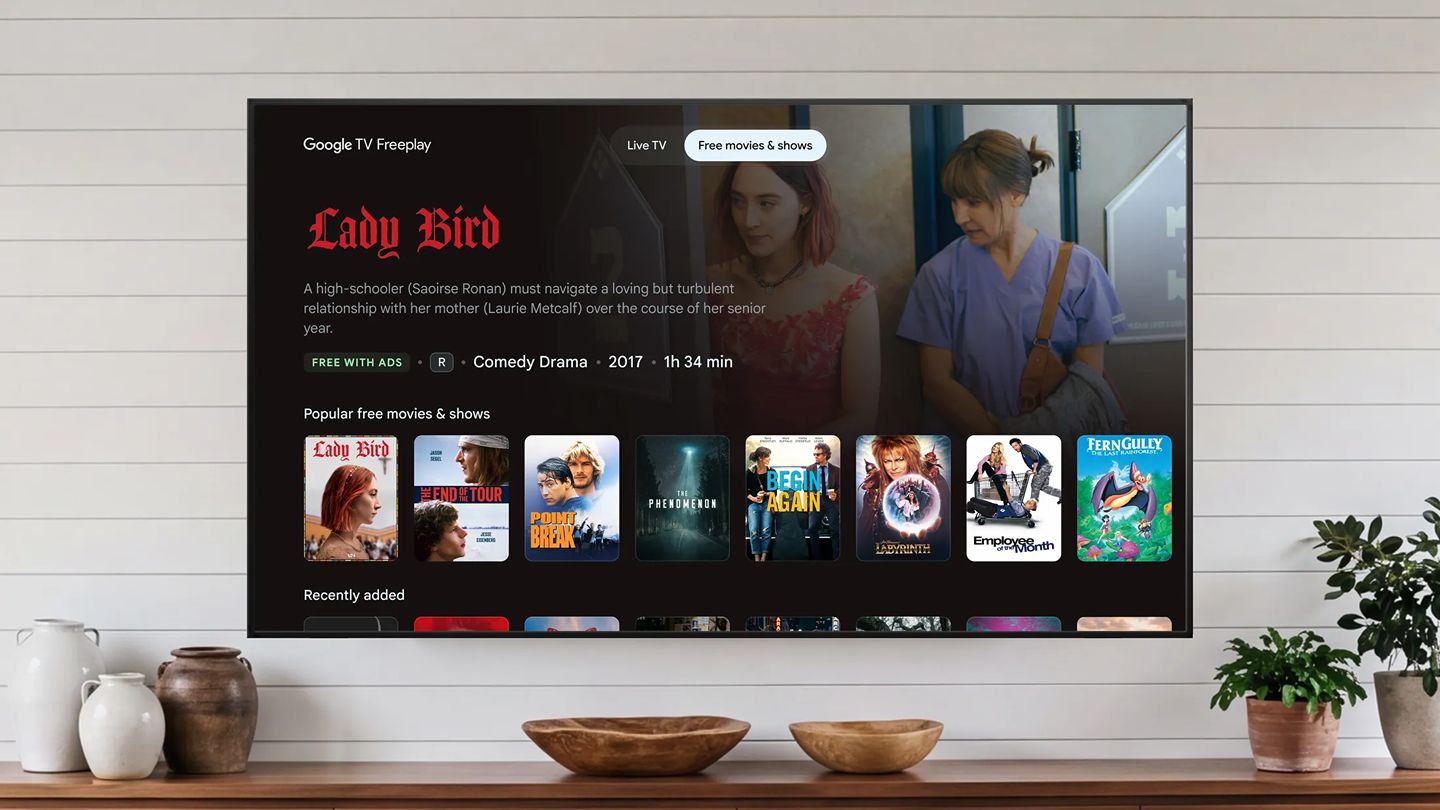
Google TV upgrades Freeplay streaming service
Google is upgrading its US free streaming service Google TV Freeplay, adding on-demand video to its FAST channel offering.

iPhone users outspend Android users on booming micro-dramas
iPhone users spend around 40% more on micro-drama apps than Android users, according to Omdia research, challenging common assumptions about who consumes and pays for the rapidly growing form of entertainment.
.jpg)
Full IBC2026 conference agenda: Innovators and technology leaders take to the stage
Exploring the three core pillars of IBC2026 – shifting business models, transformative tech, and people and purpose – this year's free-to-attend showfloor content programme will address the biggest issues impacting the global media and entertainment community.

OBS to receive IBC2026 International Honour for Excellence
IBC will present the International Honour for Excellence (IHFE) to Olympic Broadcasting Services (OBS) – recognising the company’s decades of innovation in live sports production and its far-reaching impact on the global broadcast industry.