.jpg)
When it comes to AI, the M&E industry should take a more active interest in the views of its young people if it wants them to remain part of it, writes James McKeown.
When seeking the ‘industry perspective’ on almost any topic of wider market interest, the tendency is (and quite rightly so) to seek out the masterminds for whom said topic will be their specialist subject matter. What often transpires is that while the ensuing commentary and analysis is for the most part high in value, it can also start to feel rather familiar if it is emanating from a roster of ‘usual suspects’.
You are not signed in
Only registered users can read the rest of this article.
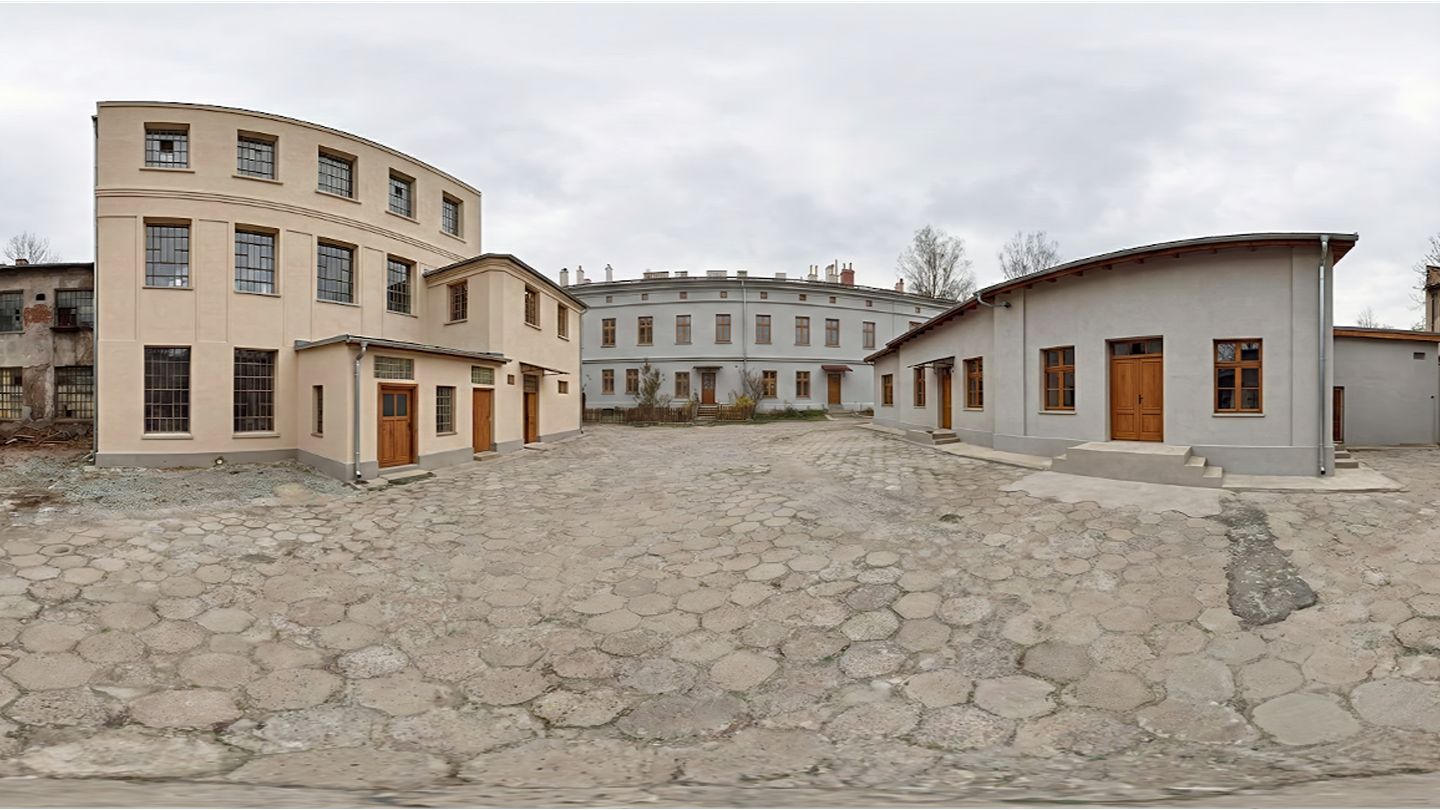
Auschwitz at IBC2026: Film University Babelsberg to preview immersive project
Film University Babelsberg Konrad Wolf will present an immersive digital reconstruction of a little-known site associated with Auschwitz at IBC2026, as part of EIT Culture & Creativity's first major presence at the show.
.jpg)
Innovation Awards: Investigating 2026’s Content Creation finalists
What does it take to win a technological innovation award in Content Creation? Fergal Ringrose, Chair of Judges for the IBC Innovation Awards, assesses the top three projects in the running – revealing the key characteristics of each of the most competitive submissions.
Branded entertainment: Money, freedom, and audiences unite
As traditional broadcasters battle decreasing budgets and attention spans, brands have come to the fore as collaborators in an increasingly lucrative and creatively fertile strand of the media business.

FRAMES: Automating the archive end-to-end
Despite the availability of hundreds of generative AI tools, pre-production environments are still struggling to find a semantic archive search solution that is technically feasible and effective in the real world. Enter FRAMES.
 (1).png)
IBC Accelerator: Scaling the future of immersive festival experiences
Stepping beyond the screen, this IBC Accelerator project has set out to meld immersive technology and audience interaction into an entirely new form of audience engagement.