While the two frontrunners in the NGA codec stakes are similar in many ways, a comparison of their background and frame of reference gives some interesting insights, writes John Maxwell Hobbs.
The two leading implementations of Next-Generation Audio (NGA) are Dolby AC-4 and MPEG-H 3D audio. Although they are both based around a central set of recommendations from the ITU, they have different origins, advantages, and limitations.
Dolby AC-4 vs MPEG-H 3D Audio: Background
Multi-channel audio broadcasts have been around since 1881, when Clément Alder connected pairs of telephone lines to send stereo audio from the Paris Opera to rooms at the Paris Electrical Exhibition. Between 1890 and 1932, audio programmes using this technology were commercially available in France and England. Since that time, broadcasting has gone from a single audio channel to as many as 22...
You are not signed in
Only registered users can read the rest of this article.
.jpg)
Workflow transformation: “AI should be making broadcasting more reliable, not more creative”
With AI’s potential reach in broadcast and media growing all the time, David Davies speaks to leading companies about their adventures in AI and uncovers why they believe the greatest potential resides in humans’ full creative control over the new toolsets.
.jpg)
IBC Content Everywhere: AI gets a reality check at IBC2026
From increasingly sophisticated monetisation strategies to progressively flexible business models, Content Everywhere companies map AI’s influence on the media industry and reveal their technological forecasts for IBC2026.
.jpg)
Content Everywhere stages: Groundbreaking tech and real-world results converge
IBC2026’s Content Everywhere hub in Hall 5 will host nearly 200 exhibitors showcasing multi-platform delivery and monetisation innovations, alongside two stages of panel discussions and live demonstrations.
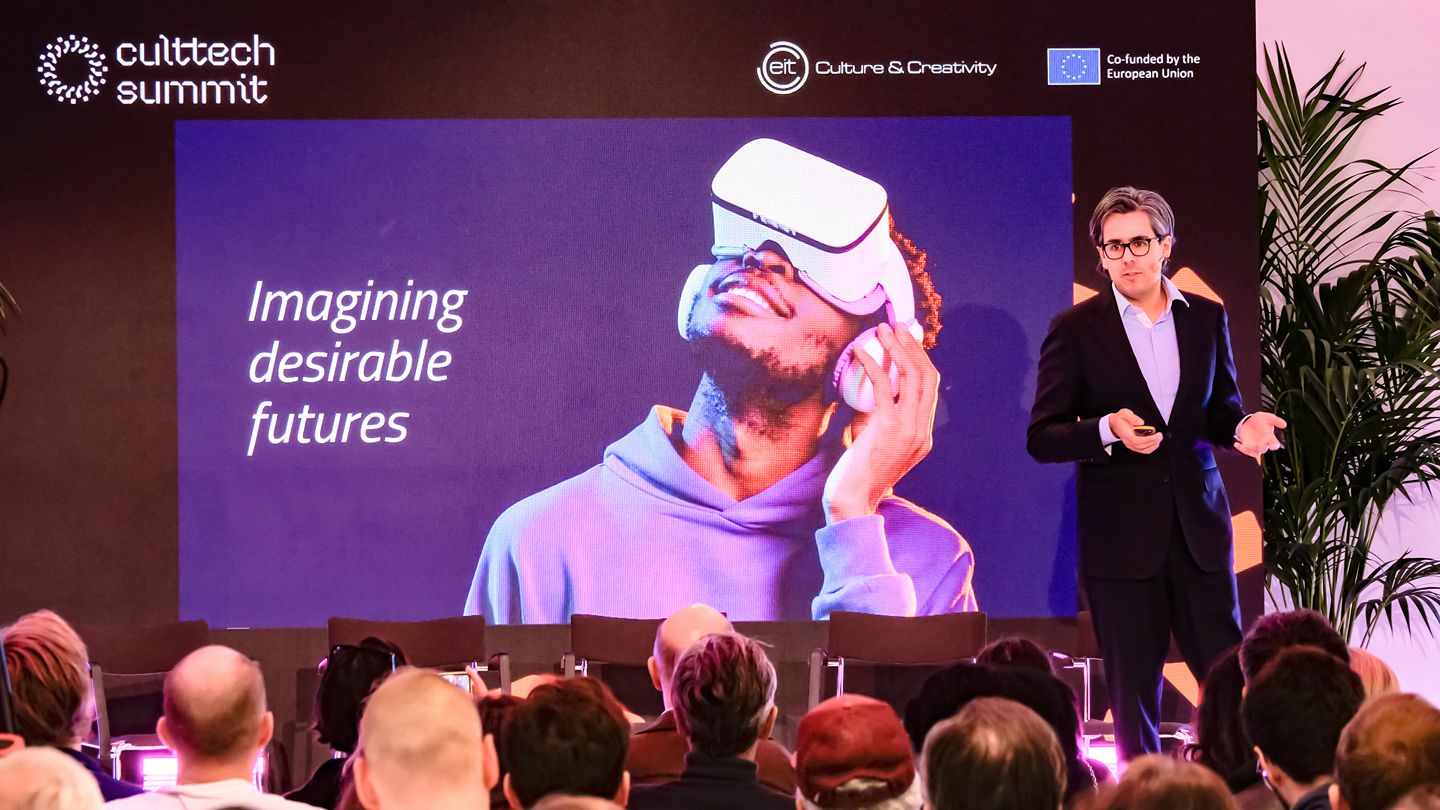
From AI production to immersive media: European innovators to watch at IBC2026
From generative production and AI-powered post-production to content discovery, immersive experiences and next-generation imaging, a group of EIT Culture & Creativity-backed ventures arriving at IBC2026 offers a snapshot of where European media innovation is heading next.
.jpg)
Innovation Awards: Exploring Content Distribution's final three
Amid a sea of competitive entries, Fergal Ringrose, Chair of Judges for the IBC Innovation Awards, breaks down the shortlisted Content Distribution entries to demonstrate exactly what got them over the line.
 (1) (1).jpg)