VR may have been something of a slow burner in terms of technology buzzwords, but its recent rebrand as spatial computing may well signal an uptick in interest for a host of reasons, discovers Mark Mayne.
The tide appears to be turning with a slew of big tech players fielding a new range of VR/spatial computing hardware this year, but will it be enough to achieve a breakthrough in a space that has seen many a false dawn? We look at some of the key innovations driving volumetric production in 2024.
Changemaker - The Apple Vision Pro
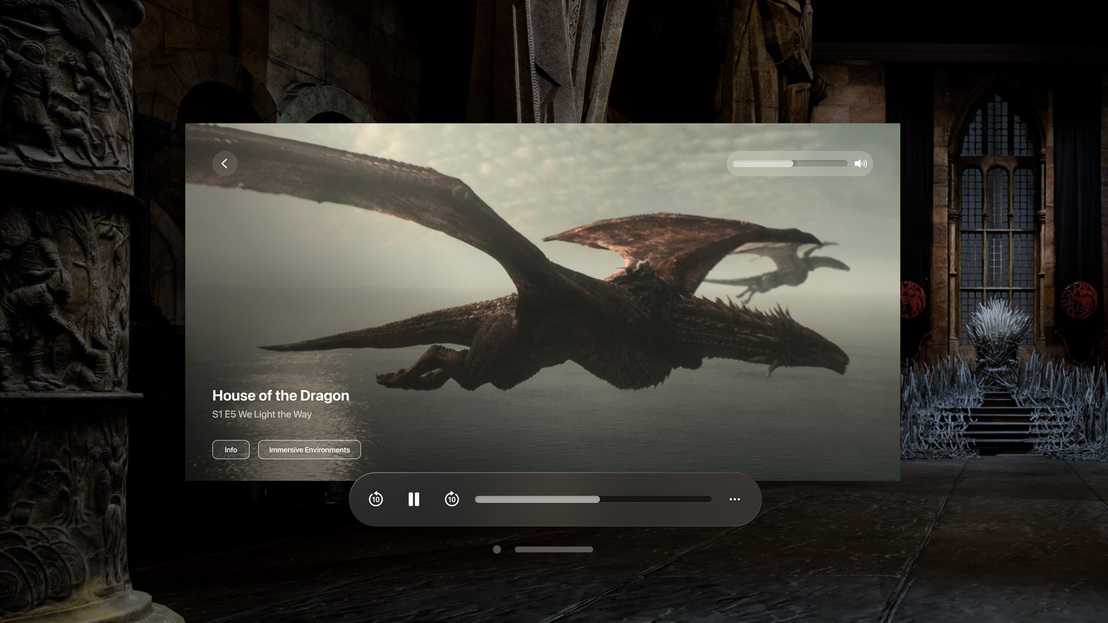
The biggest news in the space is arguably Apple’s Vision Pro, partly due to the dominance of the Cupertino tech giant in associated markets, and partly due to the galvanising effect on the competition. As has been the company’s playbook since the success of the iPhone, the Vision Pro delivers a market-leading set of specs, wrapped in an aspirational magnesium and carbon fibre design that will enable many to look beyond the considerable $3.5k price point...
You are not signed in
Only registered users can read the rest of this article.
Auschwitz at IBC2026: Film University Babelsberg to preview immersive project
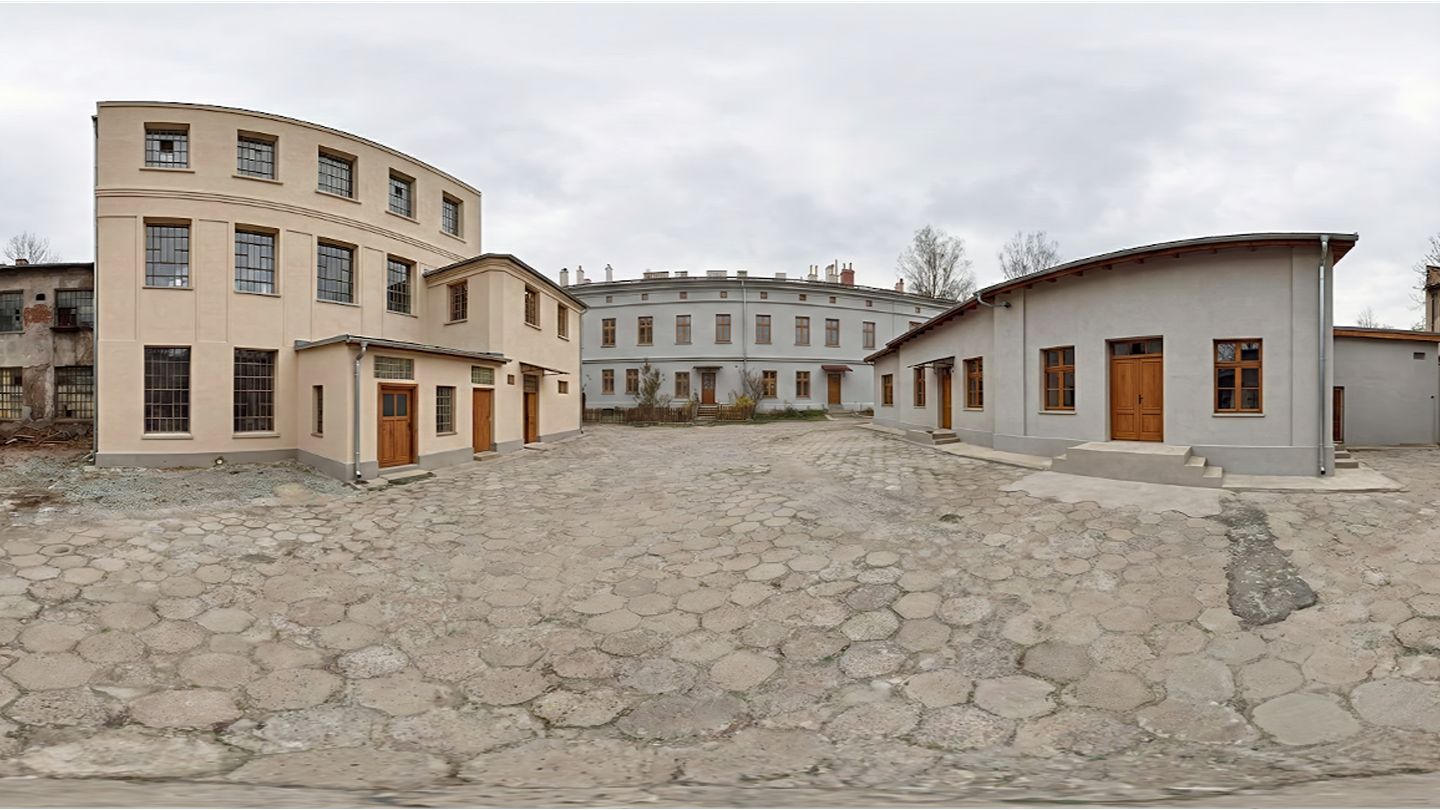
Film University Babelsberg Konrad Wolf will present an immersive digital reconstruction of a little-known site associated with Auschwitz at IBC2026, as part of EIT Culture & Creativity's first major presence at the show.
.jpg)
Innovation Awards: Investigating 2026’s Content Creation finalists
What does it take to win a technological innovation award in Content Creation? Fergal Ringrose, Chair of Judges for the IBC Innovation Awards, assesses the top three projects in the running – revealing the key characteristics of each of the most competitive submissions.

Branded entertainment: Money, freedom, and audiences unite
As traditional broadcasters battle decreasing budgets and attention spans, brands have come to the fore as collaborators in an increasingly lucrative and creatively fertile strand of the media business.

FRAMES: Automating the archive end-to-end
Despite the availability of hundreds of generative AI tools, pre-production environments are still struggling to find a semantic archive search solution that is technically feasible and effective in the real world. Enter FRAMES.
 (1).png)
IBC Accelerator: Scaling the future of immersive festival experiences
Stepping beyond the screen, this IBC Accelerator project has set out to meld immersive technology and audience interaction into an entirely new form of audience engagement.