
The UK screen sector needs to invest in mid-level specialists to stay competitive, according to a ScreenSkills report published this week.
The report, titled Powering Production: Identifying Skills Needs in the UK’s Screen Sector, was commissioned by ScreenSkills and delivered by Harlow Consulting. It draws on data from over 500 employers across the UK screen sector.

The research reveals that while the UK’s screen workforce remains among the most skilled in the world – with 80% of the workforce recognised as proficient by a majority of respondents – mid‑level “step‑up” and leadership roles are increasingly hard to fill with professionals who have the right skills.
Overall, 37% of employers report critical skills gaps in leadership and management, which ScreenSkills said poses a considerable risk to production quality and long‑term growth.
These skills gaps have led to skills shortages, with more than 65% of employers citing recruitment difficulties due to a lack of skills needed to fulfill required standards. The broad variety of productions, combined with limited experience across different scales of production and budgets, significantly contributes to these shortages.
According to the research, mid-level and delivery-critical roles were the hardest to fill, with VFX supervisors, post-producers, production coordinators, producers, and directors (unscripted TV) all being identified as shortage areas.
Just over half (52%) of employers reported that they expect AI to change some working practices in their department, although many are unsure of how AI technology will be adopted. Interpersonal skills were recognised as the most important for adapting to new technologies.
Laura Mansfield, CEO of ScreenSkills, said: “The UK screen industry is world-leading, and its greatest asset is its highly skilled workforce – the people whose creativity and expertise underpin a sector that contributes billions to the UK economy. At a time when many people, freelancers especially, are out of work, 65% of employers are citing difficulties in recruiting due to a lack of required skills. This research clearly identifies skills gaps and shortages within the industry and shows that continued investment in upskilling is essential to close that gap.
The UK’s Department for Culture, Media and Sport (DCMS) recently launched a campaign to increase the awareness and uptake of creative careers among young people aged 13-17 years old. Discover more here.
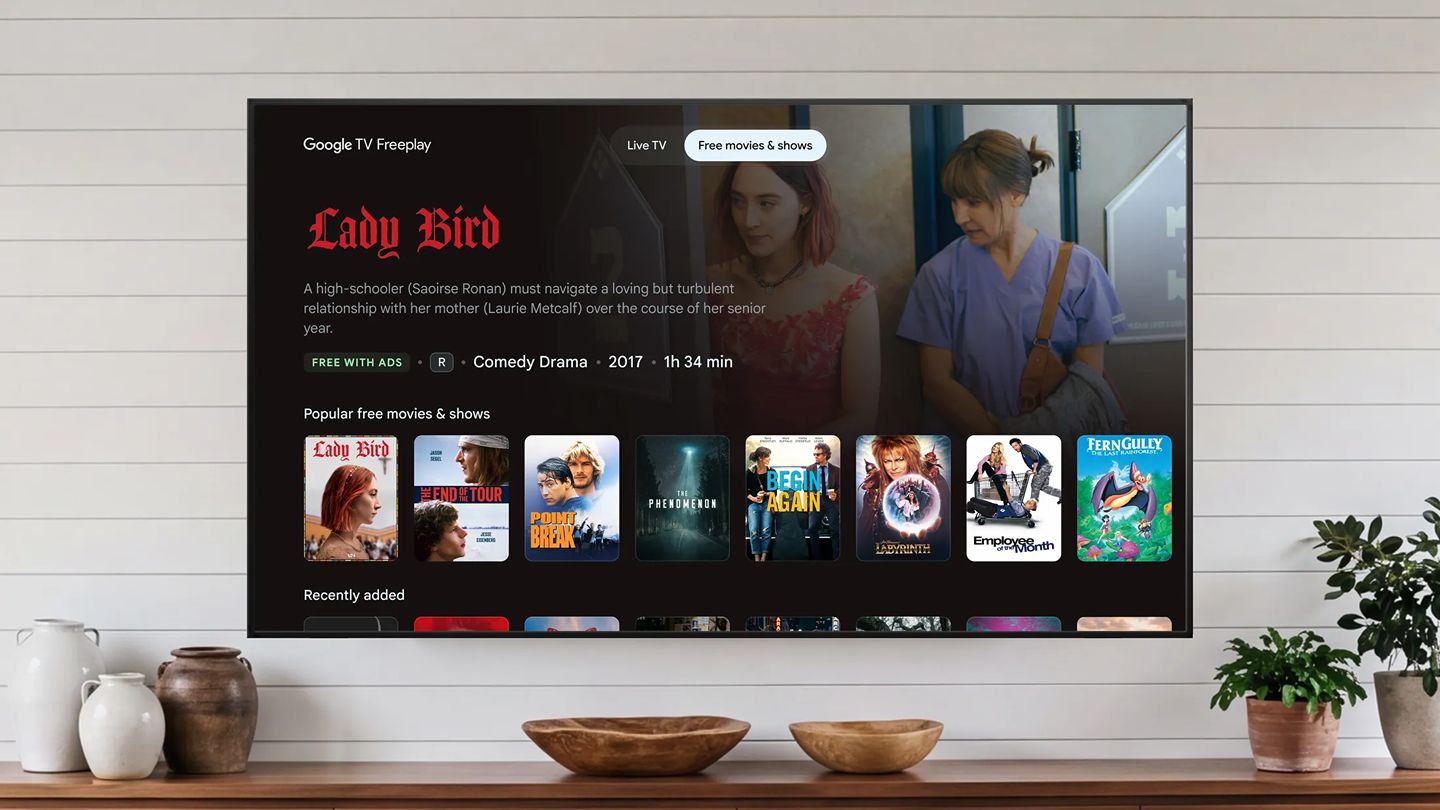
Google TV upgrades Freeplay streaming service
Google is upgrading its US free streaming service Google TV Freeplay, adding on-demand video to its FAST channel offering.

iPhone users outspend Android users on booming micro-dramas
iPhone users spend around 40% more on micro-drama apps than Android users, according to Omdia research, challenging common assumptions about who consumes and pays for the rapidly growing form of entertainment.
.jpg)
Full IBC2026 conference agenda: Innovators and technology leaders take to the stage
Exploring the three core pillars of IBC2026 – shifting business models, transformative tech, and people and purpose – this year's free-to-attend showfloor content programme will address the biggest issues impacting the global media and entertainment community.

OBS to receive IBC2026 International Honour for Excellence
IBC will present the International Honour for Excellence (IHFE) to Olympic Broadcasting Services (OBS) – recognising the company’s decades of innovation in live sports production and its far-reaching impact on the global broadcast industry.
.jpg)
ESPN and Disney+ test AI-powered search and discovery tools
Disney-owned platforms ESPN and Disney+ are beta testing AI-powered features designed to help audiences find information and content.
.jpg)
.jpg)
.jpg)