
The Motion Picture Association’s content security initiative TPN issued more security alerts in the first quarter of 2026 than in all of 2025, according to its latest cybersecurity data.
The report found a sharp increase in credential-based attacks, misconfigurations, and exploitation of unremediated vulnerabilities during this time. Recent security alerts consistently pointed to the same underlying technical weaknesses. These included: compromised credentials; inconsistent multi-factor authentication (MFA); insecure system and cloud configurations; and delays in patching and vulnerability remediation.
TPN Star Report data reinforces this pattern with vulnerability management, cryptography, endpoint hardening, and access management emerging as the weakest-performing controls areas. It showed: the highest rates of non-compliance; frequent remediation refusals or deferrals; and the slowest remediation timelines.
According to Trusted Partner Network (TPN), the TPN Star Report is the first industry study to analyse large-scale security assessment data to track how cyber risks are evolving across the global content supply chain.

“The TPN Star Report highlights a persistent disconnect between perceived security and actual operational performance,” said Terri Davies, President of TPN. “Organisations routinely overestimate that their controls are effective, especially those that require continuous attention, technical rigor, and operational ownership. Recent technological advances only heighten the urgency to address these gaps before they are exploited.”
“Content security today is inseparable from overall cybersecurity,” said Karyn Temple, Senior Executive Vice President and Global General Counsel for the MPA. “Protecting intellectual property at scale requires the same rigor, operational discipline, and vigilance demanded in other critical, high-risk sectors.”
Overall, the researchers concluded that while most organisations have foundational policies in place, inconsistent day-to-day execution of technical controls is creating systemic and exploitable risk. In response to these findings, the report underscored the need for urgent industry action to ensure continuous monitoring of systems and access, faster remediation of known vulnerabilities, stronger ownership of operational controls, and consistent enforcement of identity and access protections, particularly across third-party environments.
In particular, the research advised the use of Zero Trust architectures, conditional access, continuous authentication, and automated compliance monitoring for highly distributed production environments spanning cloud platforms, remote workforces, and a complex ecosystem of third-party vendors. This is expected to increase the impact of a single compromised credential across the entertainment ecosystemacross the entertainment ecosystem.
While TPN provides the platform and standards for assessing security, fixing any issues is the responsibility of the organisations being assessed.
The Motion Picture Association, Hollywood’s top lobbying group, recently called on OpenAI to protect intellectual property, following the release of video generation model Sora 2. Discover more here.
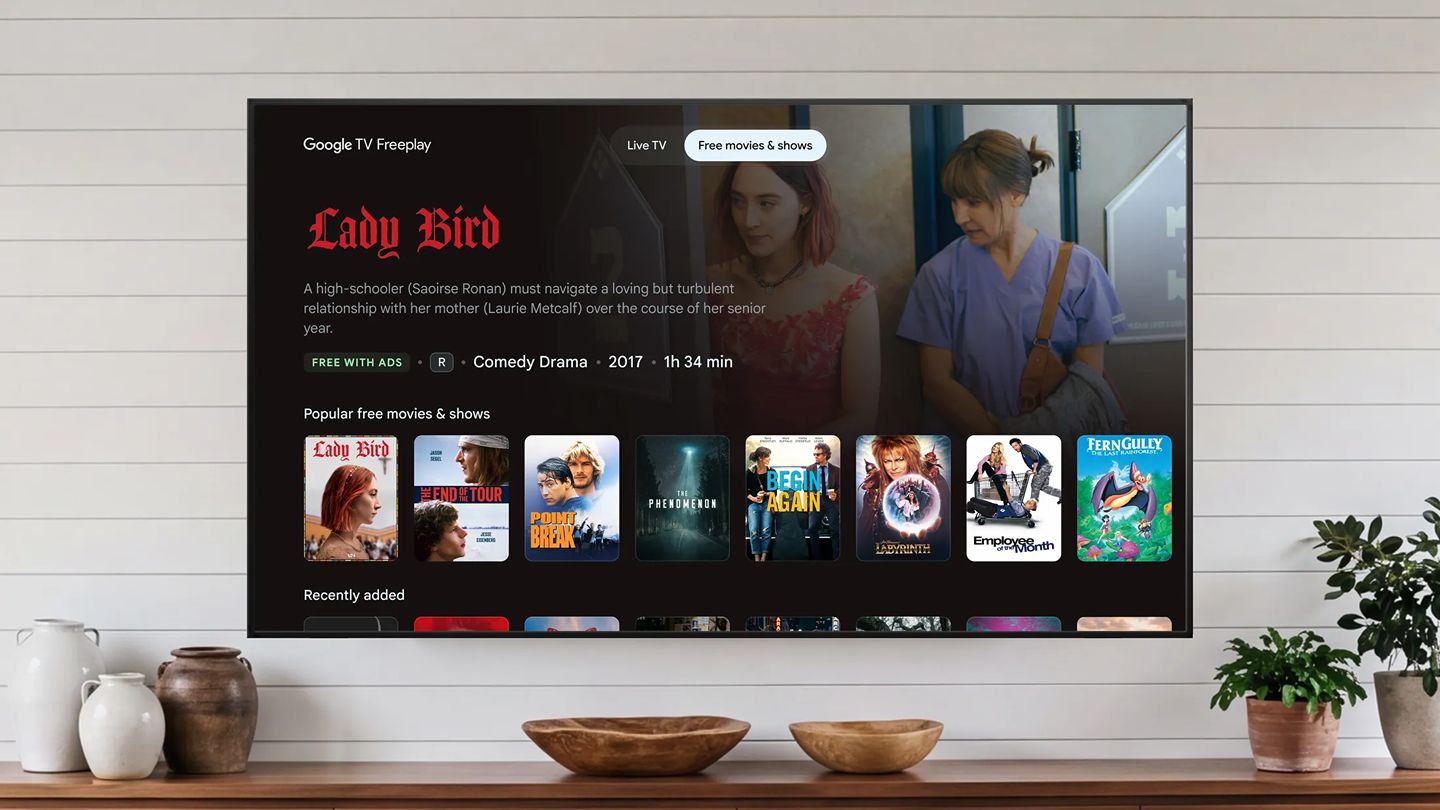
Google TV upgrades Freeplay streaming service
Google is upgrading its US free streaming service Google TV Freeplay, adding on-demand video to its FAST channel offering.

iPhone users outspend Android users on booming micro-dramas
iPhone users spend around 40% more on micro-drama apps than Android users, according to Omdia research, challenging common assumptions about who consumes and pays for the rapidly growing form of entertainment.
.jpg)
Full IBC2026 conference agenda: Innovators and technology leaders take to the stage
Exploring the three core pillars of IBC2026 – shifting business models, transformative tech, and people and purpose – this year's free-to-attend showfloor content programme will address the biggest issues impacting the global media and entertainment community.

OBS to receive IBC2026 International Honour for Excellence
IBC will present the International Honour for Excellence (IHFE) to Olympic Broadcasting Services (OBS) – recognising the company’s decades of innovation in live sports production and its far-reaching impact on the global broadcast industry.
.jpg)
ESPN and Disney+ test AI-powered search and discovery tools
Disney-owned platforms ESPN and Disney+ are beta testing AI-powered features designed to help audiences find information and content.