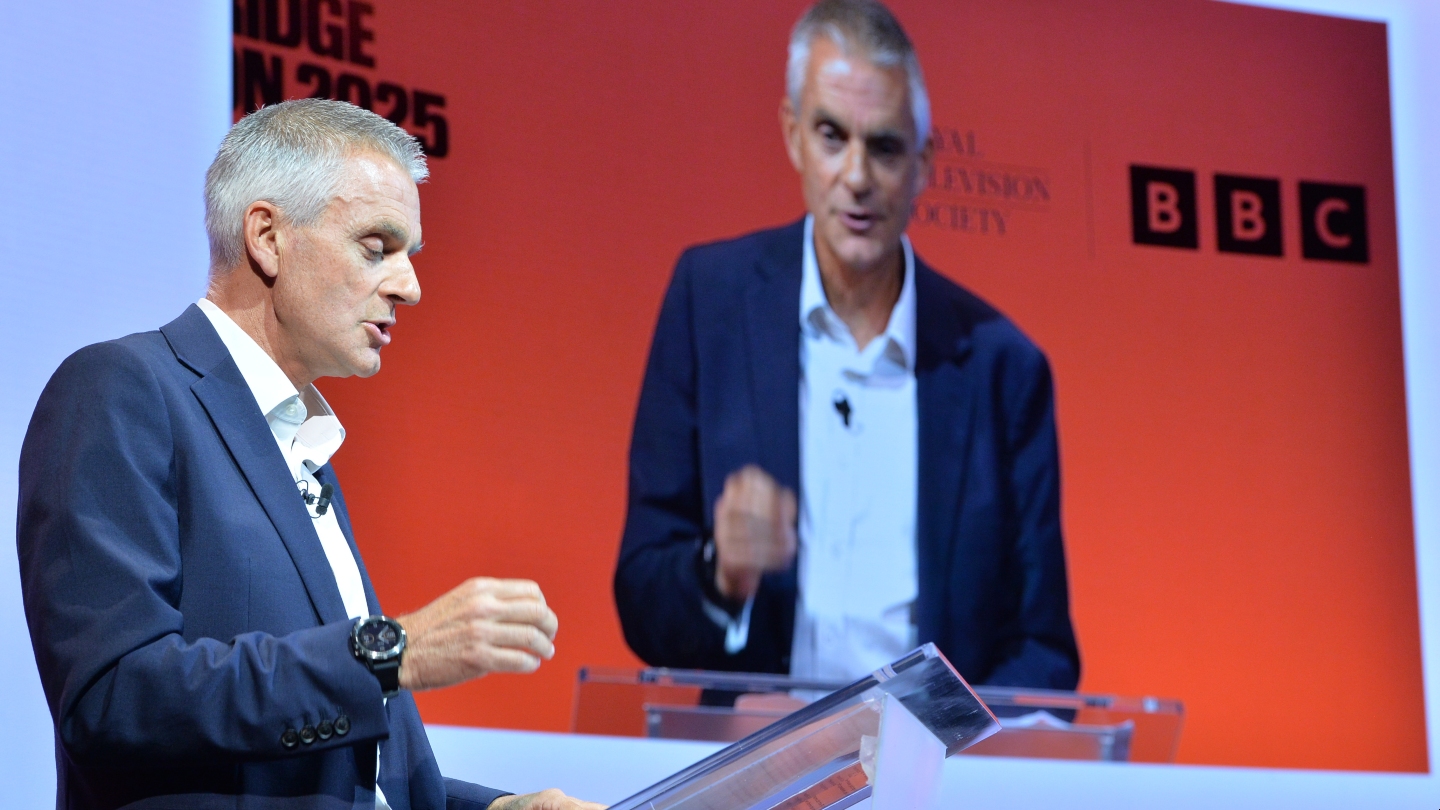
The fate of public service broadcasting was transmuted into an existential threat to British culture, politics, and prosperity at the RTS Cambridge Convention.
“This country is staring down two alternative paths,” said Culture Secretary Lisa Nandy in a keynote to the Royal Television Society (RTS). “We can fall apart or we can rise together. We can drift into a future where only some of us can be seen and heard or we can choose to build a society that is inclusive enough to respect – and civilised enough to embrace – different debates and dissent without being destroyed by either.”
Introducing the two-day conference, BBC Director General Tim Davie said ...
You are not signed in
Only registered users can read the rest of this article.
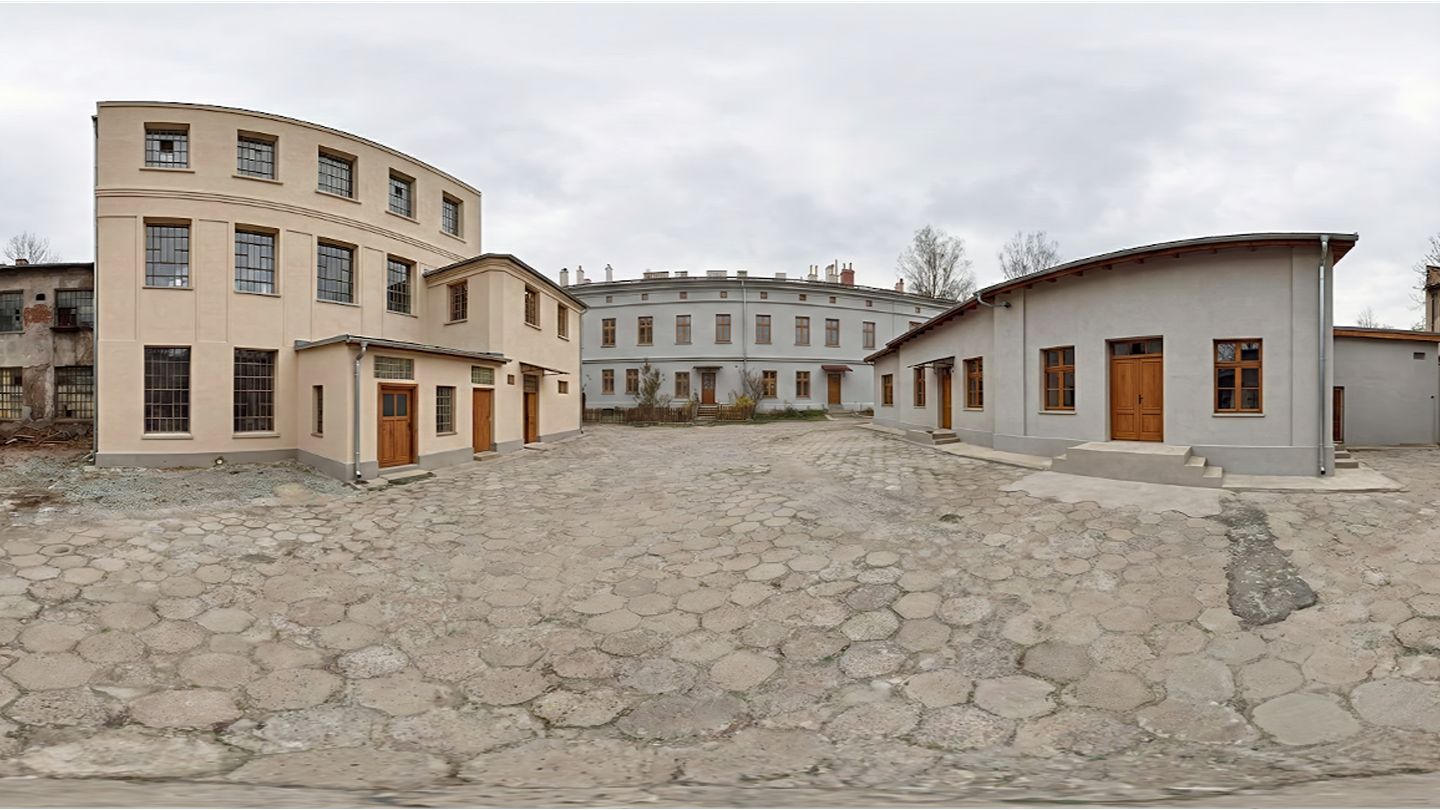
Film University Babelsberg to preview immersive Auschwitz project at IBC2026
Film University Babelsberg Konrad Wolf will present an immersive digital reconstruction of a little-known site associated with Auschwitz at IBC2026, as part of EIT Culture & Creativity's first major presence at the show.
.jpg)
Innovation Awards: Investigating 2026’s Content Creation finalists
What does it take to win a technological innovation award in Content Creation? Fergal Ringrose, Chair of Judges for the IBC Innovation Awards, assesses the top three projects in the running – revealing the key characteristics of each of the most competitive submissions.

Branded entertainment: Money, freedom, and audiences unite
As traditional broadcasters battle decreasing budgets and attention spans, brands have come to the fore as collaborators in an increasingly lucrative and creatively fertile strand of the media business.

FRAMES: Automating the archive end-to-end
Despite the availability of hundreds of generative AI tools, pre-production environments are still struggling to find a semantic archive search solution that is technically feasible and effective in the real world. Enter FRAMES.
 (1).png)
IBC Accelerator: Scaling the future of immersive festival experiences
Stepping beyond the screen, this IBC Accelerator project has set out to meld immersive technology and audience interaction into an entirely new form of audience engagement.
.jpg)