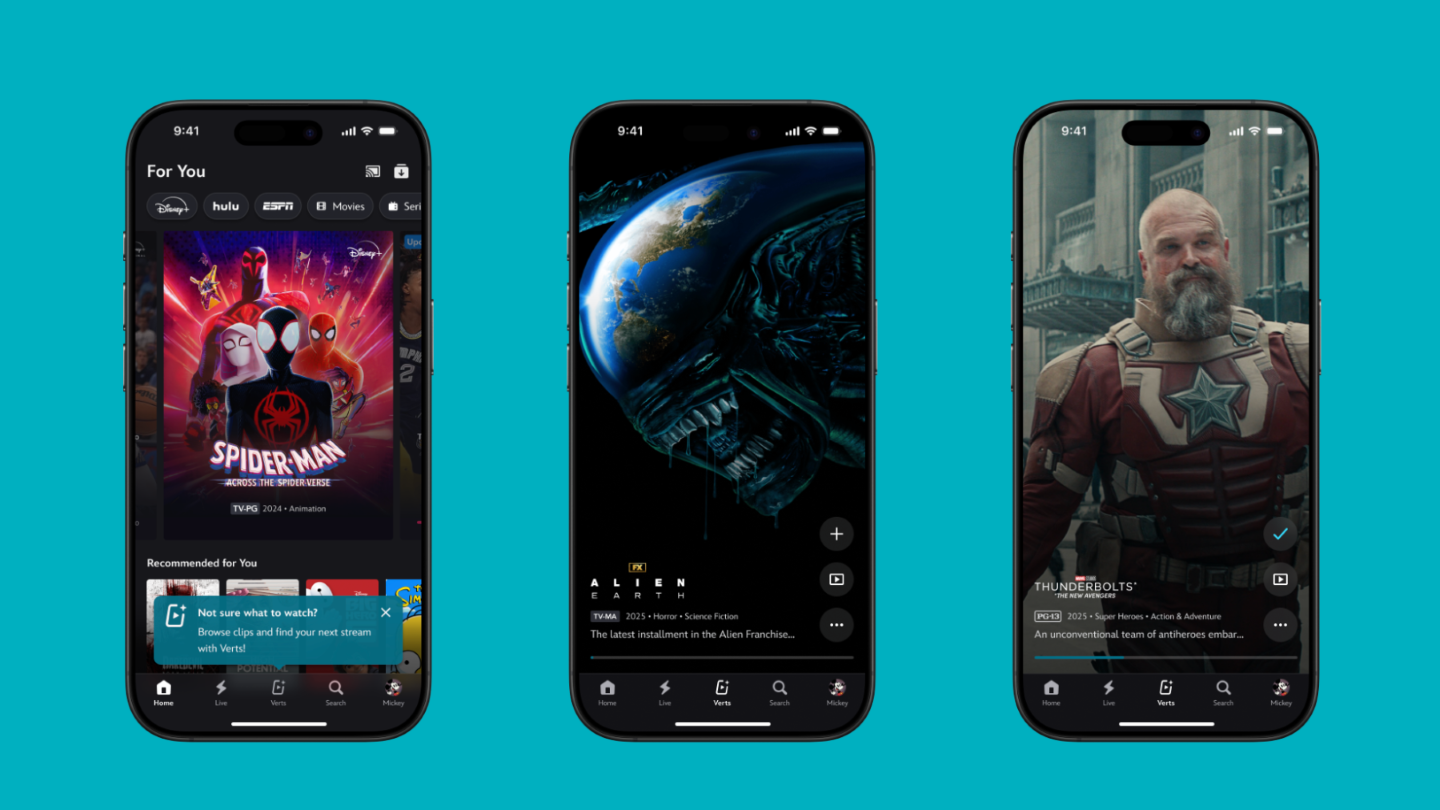
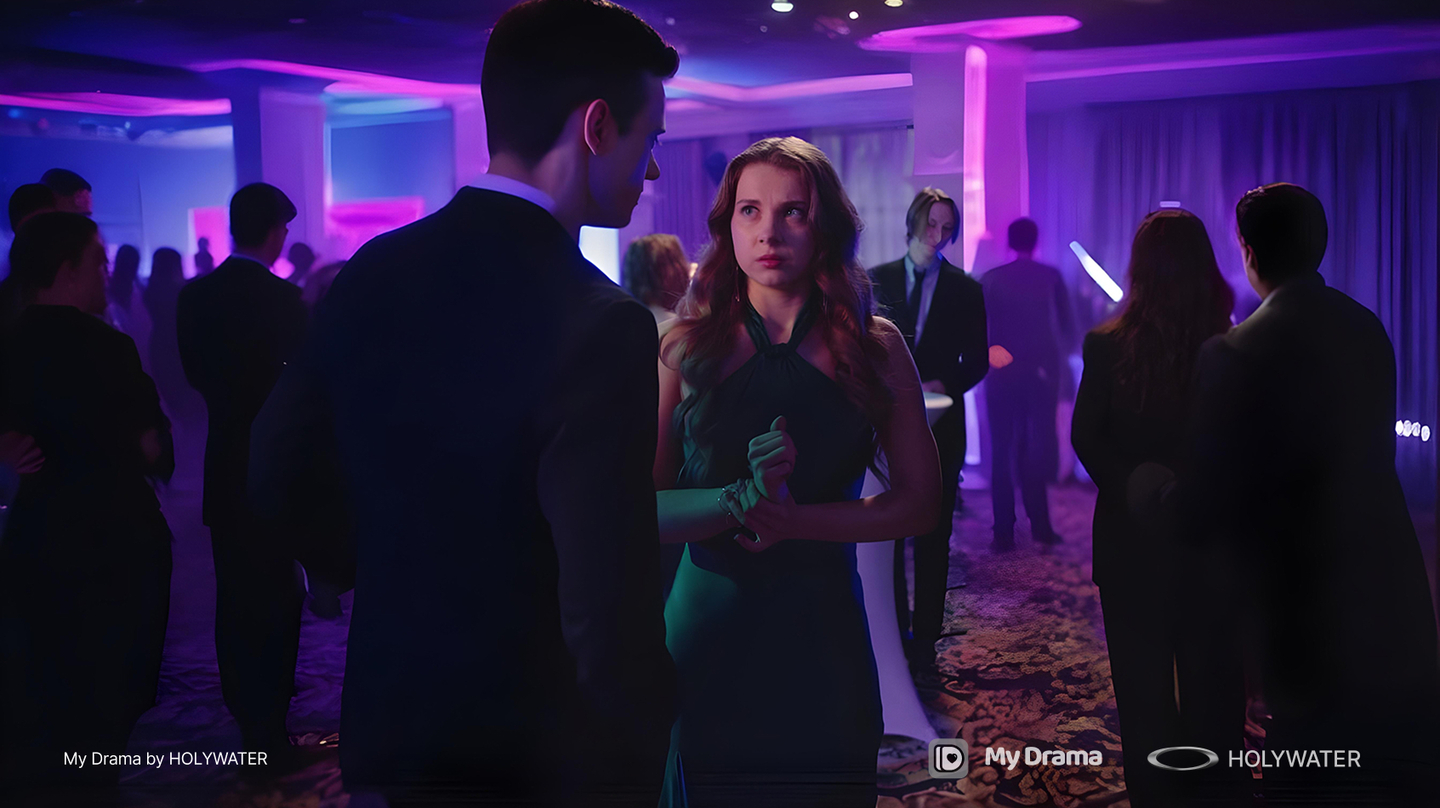
As studios begin to embrace the potential of vertical micro-dramas, should their rise be dismissed as merely a fad or a profound shift in the production, consumption and gender-bias of global storytelling?
Bite-sized video series designed for mobile viewing are taking the world by storm and even the $26bn in annual revenue predicted by 2030 seems conservative.
“That number is very realistic – if not bigger,” says Vivian Wang, Head of Content at Crisp, an app dedicated to vertical content, based in LA. “Vertical storytelling has limitless potential, and we haven’t even fully seen it yet.”
When people talk about vertical content, they often call it “micro-drama,” but industry professionals usually refer to it as vertical drama, vertical series, or simply “verticals.”
When the format first emerged in China, most of the content was...
You are not signed in
Only registered users can read the rest of this article.
.jpg)
Content Everywhere stages: Groundbreaking tech and real-world results converge
IBC2026’s Content Everywhere hub in Hall 5 will host nearly 200 exhibitors showcasing multi-platform delivery and monetisation innovations, alongside two stages of panel discussions and live demonstrations.

From AI production to immersive media: European innovators to watch at IBC2026
From generative production and AI-powered post-production to content discovery, immersive experiences and next-generation imaging, a group of EIT Culture & Creativity-backed ventures arriving at IBC2026 offers a snapshot of where European media innovation is heading next.
.jpg)
Innovation Awards: Exploring Content Distribution's final three
Amid a sea of competitive entries, Fergal Ringrose, Chair of Judges for the IBC Innovation Awards, breaks down the shortlisted Content Distribution entries to demonstrate exactly what got them over the line.

Network Control: Turning 5G into a production tool
Speed, flexibility, and reliability – that’s the dream for many a live production. However, when public network coverage is patchy, what’s a broadcaster to do? The 2026 Accelerator Project, Network Control, deploys standardised network APIs to tackle this problem head-on.
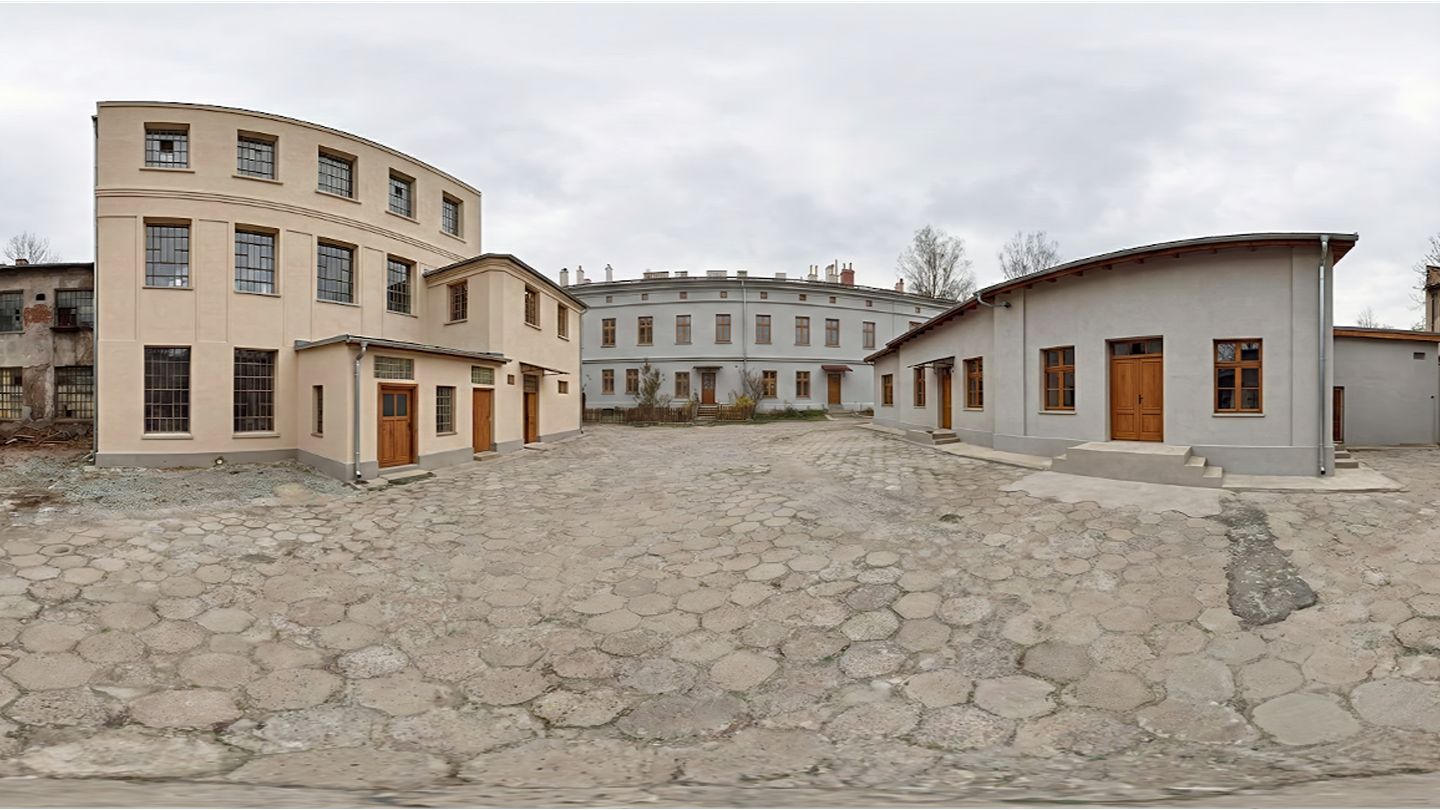
Film University Babelsberg to preview immersive Auschwitz project at IBC2026
Film University Babelsberg Konrad Wolf will present an immersive digital reconstruction of a little-known site associated with Auschwitz at IBC2026, as part of EIT Culture & Creativity's first major presence at the show.