Akamai did its first production customer event this week with its latest technology, Managed Container Service (MCS), which will be available next year.
The company has done some beta tests so far, mainly with US sports, but the sports event on Thursday night delivered more than 20Tb of traffic, all on the customer’s own proprietary streaming technology, which is not a typical CDN use case.
Akamai sees this customer choice as a key advantage of MCS. If users can containerise a workload in an OCI-compliant container, Akamai can run it on its edge platform in 700 cities around the world. It gives users the benefit of Akamai’s CDN footprint, with access to its mapping technology, intelligent routing that follows the lowest latency path, and the self-healing capabilities that can dynamically move traffic when anything gets overloaded.
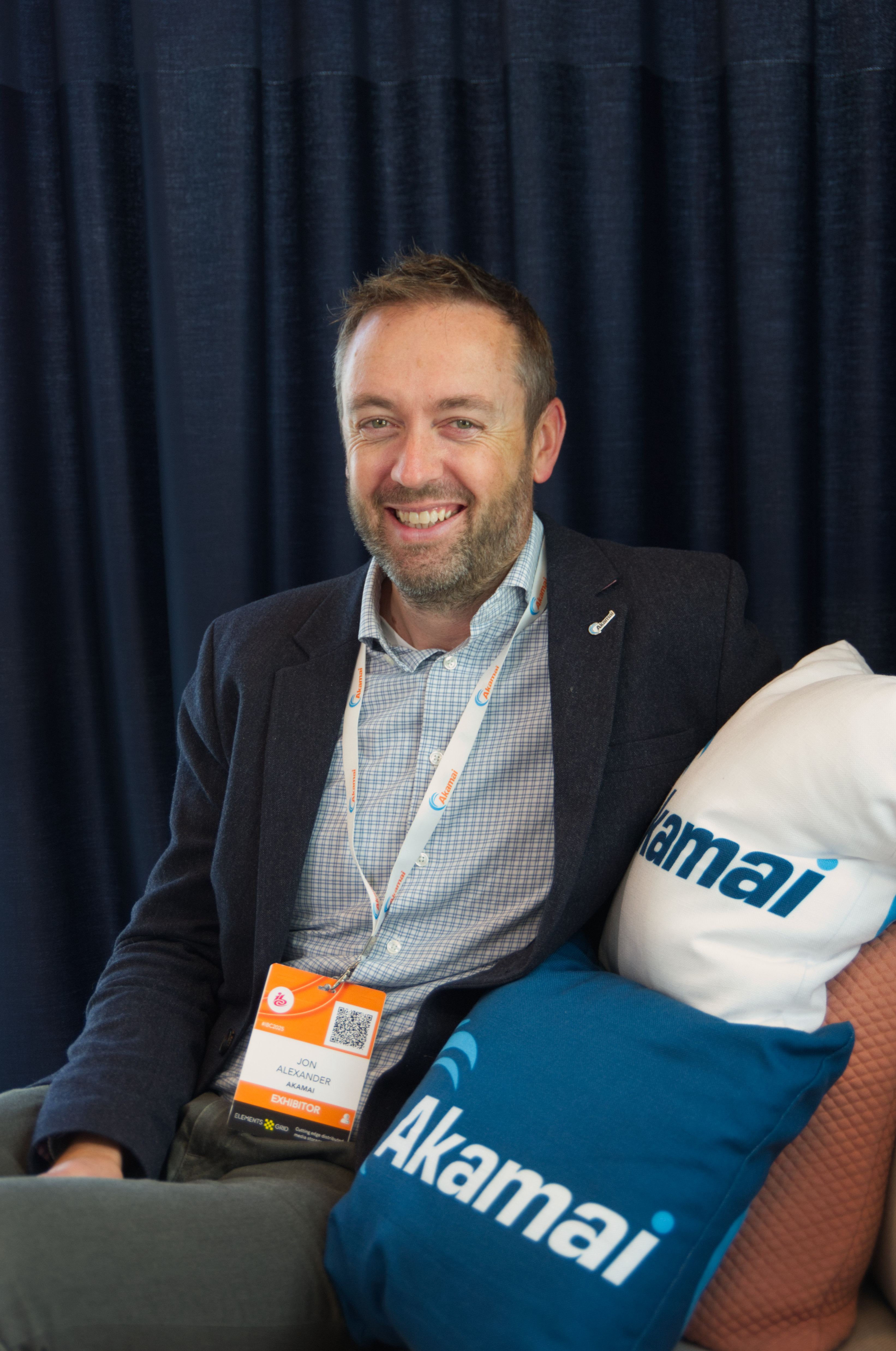
Jon Alexander, SVP, Product Management, said: “For a broadcaster or a video streaming company or media workflow company, it means you've now got access to the network capacity, you've got super low latency connectivity to users, or, if you're looking at an ingest, to the point of creation. And it has the coverage, the scale, the capacity of the full edge footprint.”
“You bring your piece of software, we then scale it out, make sure that it runs at the scale and performance levels that you need,” explained Alexander. Anything that needs to be highly distributed and requires low latency can benefit, particularly real-time applications or moving large volumes of data, such as AR or VR.
It would also be ideal for broadcasters wanting to take more control over the technology stack using Media over QUIC (MoQ), an open standard Akamai is working on, which could run on MCS. MoQ is real-time, tuneable latency streaming that is designed for contribution as well as distribution, so “if you have a high-quality feed coming out of a venue, you can contribute that over the same protocol as we then use for distribution”, according to Alexander. It would then give guaranteed delivery across the managed backbone.
Stand Number: 13.D301
Company: Akami
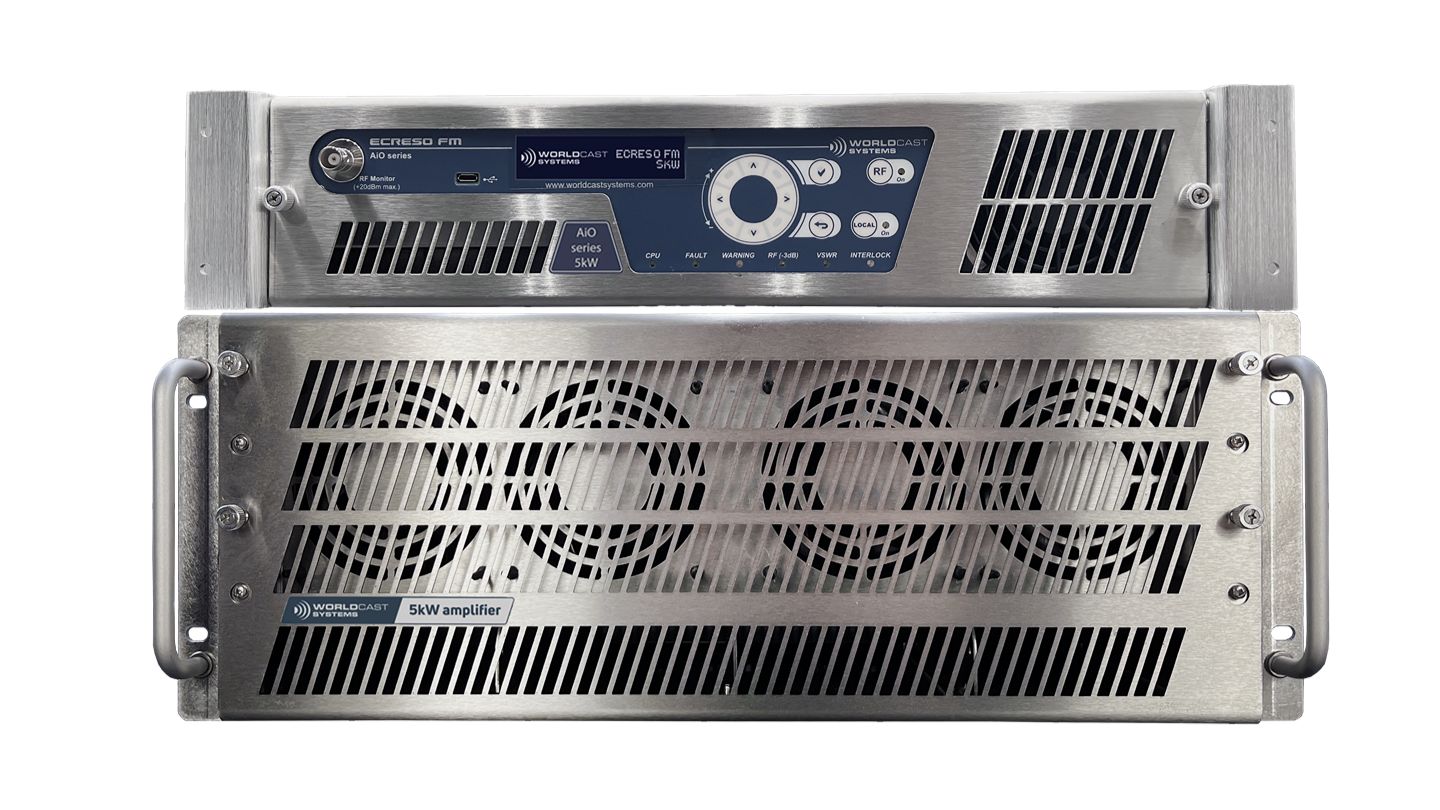
WorldCast launches new FM transmitters
Two FM transmitters from WorldCast Systems are making their debut at IBC2026: the Ecreso FM AiO Series 5kW and a new 3kW model, both designed for easy field servicing.
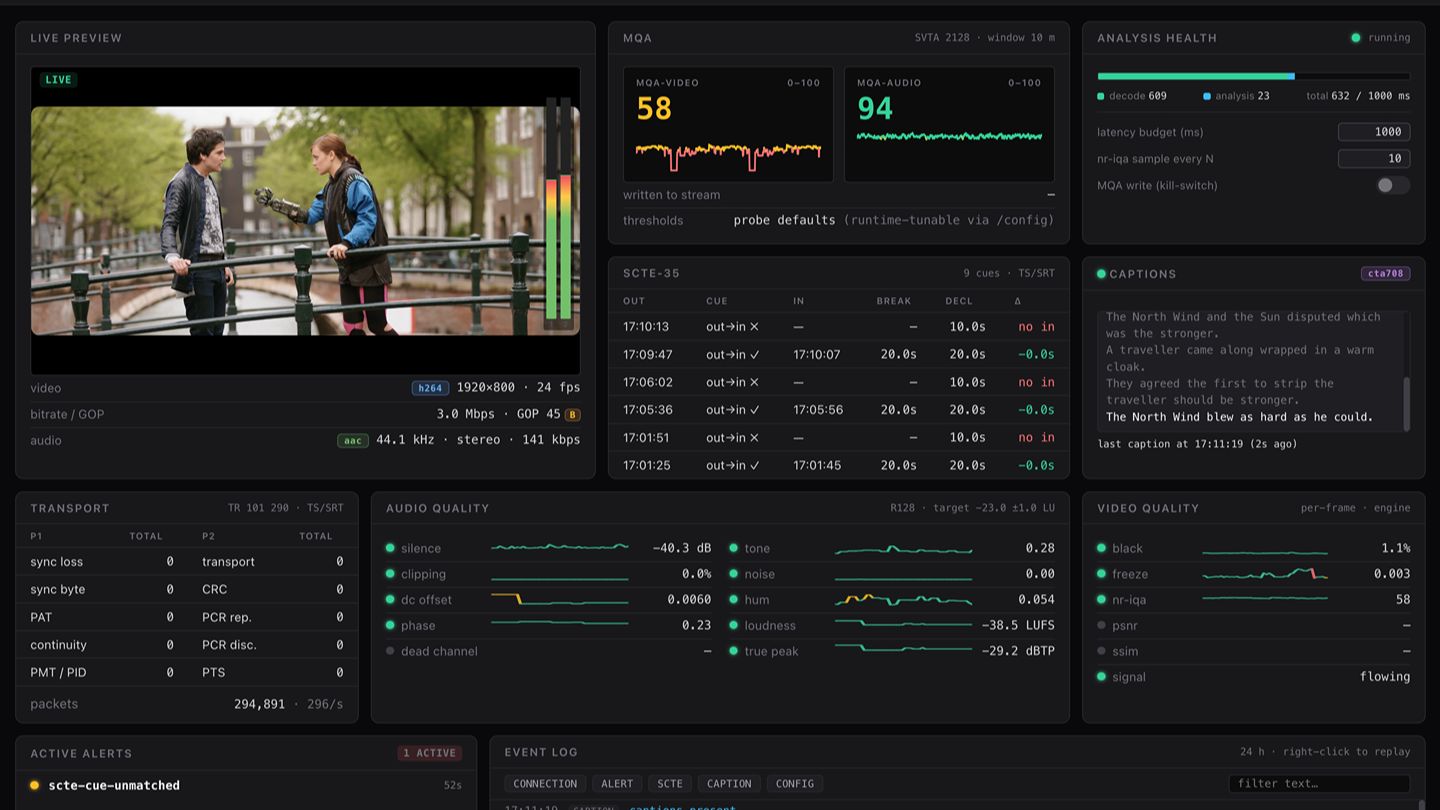
Norsk extends Studio platform with new launches
Norsk is debuting three live video products at IBC2026 – Playout, Remote Commentary and Probe – extending its Studio infrastructure platform into new areas.
.jpg)
Zero Density unites graphics and newsroom workflows
At IBC2026, Zero Density will demonstrate how real-time graphics, virtual production and newsroom operations can be brought together within a single production ecosystem.
.jpg)
Blue Billywig becomes a fully EU-sovereign platform
Blue Billywig will use IBC2026 to publicise its status as a fully sovereign European video platform, with infrastructure, ownership, hosting and support based entirely within the EU.

Interra Systems brings AI-driven QC tools
Interra Systems is applying operational AI to QC, monitoring and captioning workflows, showcasing the latest releases of Orion, Baton 9.5 M1, Baton Captions and Vega at IBC2026.