The Film and TV Charity has released headline data that shows mental health is worsening compared to 2022 survey results. The data comes from more than 4,300 film, TV, and cinema workers responding to its 2024 Looking Glass Survey, the industry’s biggest and most robust dataset on this topic.
The 2024 survey reveals that 35% of respondents describe their mental health as ‘poor’ or ‘very poor’, increased from 24% in 2022, with 30% of respondents experiencing suicidal thoughts over the past 12 months.

Detailed analysis of survey responses is currently underway ahead of the full report publication in early 2025, but survey responses indicate issues with the current industry climate and feelings of precarity in their roles, may be contributing to the deterioration in the mental health of industry workers.
The survey results also indicate that issues remain with the industry’s culture, conditions of work, and mental health support:
- Only 12% of those surveyed felt that the industry is a mentally healthy place to work
- 63% say that their work in the industry has a negative effect on their mental health
- 64% have considered leaving the industry over the past 12 months due to concerns about their mental health – an increase from 60% in 2022
- 32% of those surveyed have even taken practical steps to leave.
Respondents who had worked on a production utilising the Charity’s Whole Picture Toolkit for mentally healthy productions reported better ratings for their mental health and had a higher awareness of good practices and of the support services available to them.
Data to action
The Whole Picture Toolkit aims to enable more widespread support for mental health on productions. The charity aims to build on its success by working closely with major players across the industry to develop and agree on pan-industry standards to ensure support for mental health is routinely embedded in all productions. The charity has also confirmed that it will be working closely with the newly formed Action for Freelancers to develop standards, offer expertise and guidance.
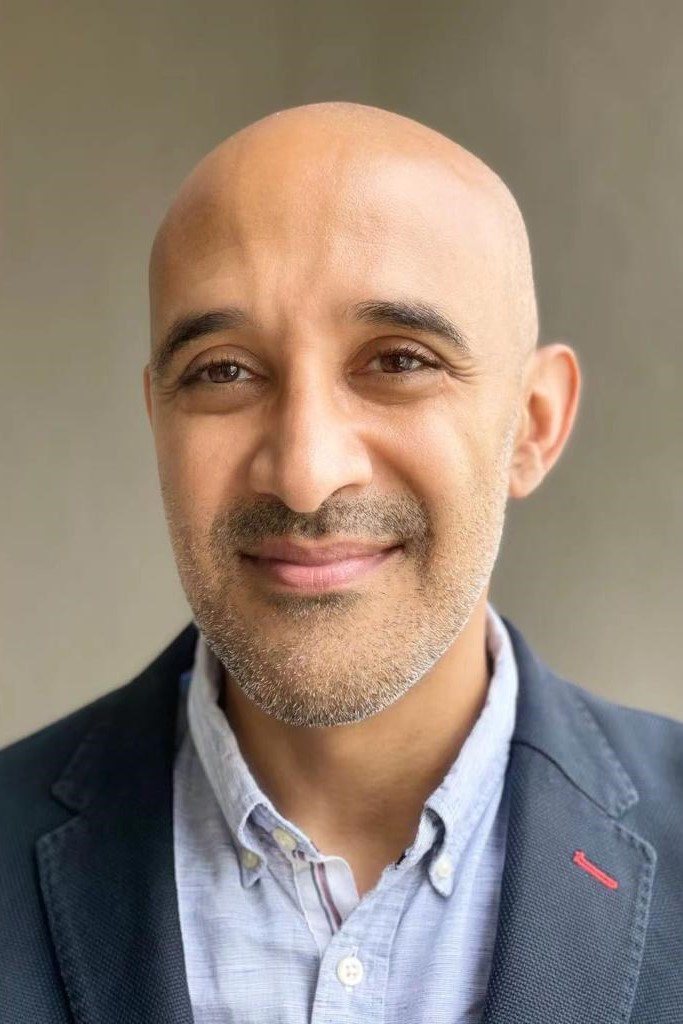
Marcus Ryder, CEO at the Film and TV Charity said: “Things are not improving quickly enough…While the Charity continues to provide invaluable in-the-moment support for anyone experiencing poor mental health, it’s evident that, collectively, the industry needs to grip the root causes far more robustly than it has so far managed to do. So, it is our hope that, by building on the success of the Whole Picture Toolkit, by working with stakeholders to develop pan-industry standards, and by providing the tools and resources to support their implementation, we can start to properly address one of the most pernicious issues our creative sector faces.”
Organisations that have signed up to support the development of pan-industry standards include: All3Media, Apple TV+, BAFTA, Banijay, BBC, BBC Studios, Channel 4, Creative Diversity Network, Disney+ UK, Fremantle, IMG Productions, ITV, Paramount, ScreenSkills, Sky, Sony Pictures Television, UKTV, and Warner Bros Discovery.
Anyone working behind the scenes in film, TV, and cinema can access immediate, free, and confidential support through the Film and TV Support Line on 0800 054 0000, or via the Charity’s website.
You are not signed in
Only registered users can comment on this article.
.jpg)
Expanded Future Tech to showcase the very best in innovation, technology and talent
After a successful debut in 2025, Future Tech returns to Hall 14 of the RAI this year, with more features, more innovation and more of the technologies shaping the next era of media and entertainment.
.jpg)
UK TV industry advocates out-of-hours guidelines
The UK television industry has backed new guidelines to minimise out-of-hours contact to help improve work-life balance in the sector.
.jpg)
EU approves Paramount's WBD acquisition with conditions
The European Commission has approved Paramount Skydance’s proposed $110bn acquisition of Warner Bros. Discovery.
Isabel Davis to become Director of BFI Filmmaking Funds
The British Film Institute (BFI) has named Isabel Davis as Director of its BFI National Lottery Filmmaking Funds.

Netflix uses GenAI on 300 titles in 2026
Netflix has revealed that nearly 300 titles on its platform have used generative AI, from early concept stages and pre-visualisation through to post-production and release.