The BBC has updated its guidance on working with generative AI technology.
The update follows pilot tests of gen AI over the past few months to explore where the technology can bring benefits to BBC audiences and staff.

Rhodri Talfan Davies, Director of BBC Nations, said most of the tests have been focused on content production and have been assessing how gen AI can simplify production processes and reformat existing content. Some were live trials – seen by audiences – and others were behind the scenes.
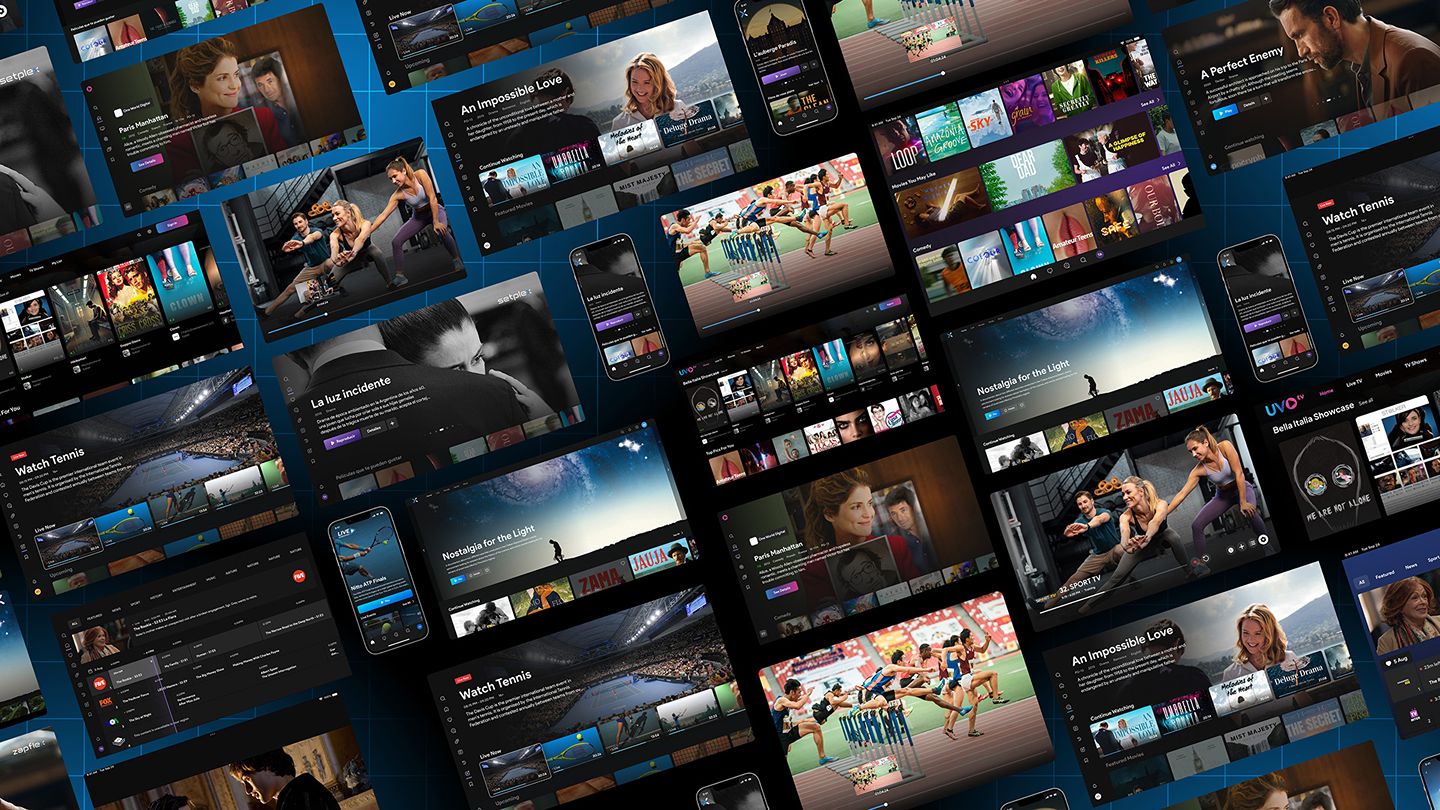
On BBC Sounds, the corporation has used AI tools to add subtitles to some of its programmes including In Touch, Access All, Profile, Sporting Witness and Economics with Subtitles.
“This is working well – the accuracy is impressive,” said Talfan Davies. The trial has now been extended to include more programmes, including The Archers and The Today podcast. In parallel, the BBC has been exploring how AI can generate short-form animated sequences (instead of just static images) when showcasing programmes on BBC Sounds.
For sport, trials were focused on coverage of the English Football League and the hundreds of live commentaries provided on BBC Local Radio. Using AI tools, the BBC generated transcripts of the commentaries – and identified the key moments of the match (the goal or the red card, for example). “After being checked by our journalists, they were published as live text commentaries on the BBC Sport app. This has been popular with fans – so we will be looking to do more of this with other matches,” said Talfan Davies.
In news, he said that gen AI is most helpful behind the scenes in accelerating production processes. It is now using AI tools to provide much faster translations of reporting across its Language Services, with human checks.
Talfan Davies said: “The gen AI tools are impressive, the accuracy levels are improving and the pilots suggest we could unlock significantly more value for audiences. In the majority of cases, it’s also clear AI can assist us to do things more quickly but it does not remove the need for human oversight given the risk of error.”
He stressed the importance of transparency in the use of AI for maintaining trust with audiences. He explained that the BBC will label AI use in its content where there’s any risk that audiences might feel misled – such as the use of AI “face-swapping” techniques to anonymise contributors or the live text commentaries.
The BBC’s updated AI guidance reads: “Any use of AI by the BBC in the creation, presentation or distribution of content must be transparent and clear to the audience. The audience should be informed in a manner appropriate to the context, and it may be helpful to explain not just that AI has been used but how and why it has been used.”
The corporation said that external producers should discuss any use of AI which might require disclosure with their commissioner.
The BBC is training teams to use AI tools like Microsoft Copilot, Adobe Firefly and GitHub Copilot.
Its R&D teams are also continuing to invest in work in this area, including developing its own Large Language Models.
You are not signed in
Only registered users can comment on this article.
.jpg)
Expanded Future Tech to showcase the very best in innovation, technology and talent
After a successful debut in 2025, Future Tech returns to Hall 14 of the RAI this year, with more features, more innovation and more of the technologies shaping the next era of media and entertainment.
.jpg)
UK TV industry advocates out-of-hours guidelines
The UK television industry has backed new guidelines to minimise out-of-hours contact to help improve work-life balance in the sector.
.jpg)
EU approves Paramount's WBD acquisition with conditions
The European Commission has approved Paramount Skydance’s proposed $110bn acquisition of Warner Bros. Discovery.

Isabel Davis to become Director of BFI Filmmaking Funds
The British Film Institute (BFI) has named Isabel Davis as Director of its BFI National Lottery Filmmaking Funds.
Netflix uses GenAI on 300 titles in 2026
Netflix has revealed that nearly 300 titles on its platform have used generative AI, from early concept stages and pre-visualisation through to post-production and release.