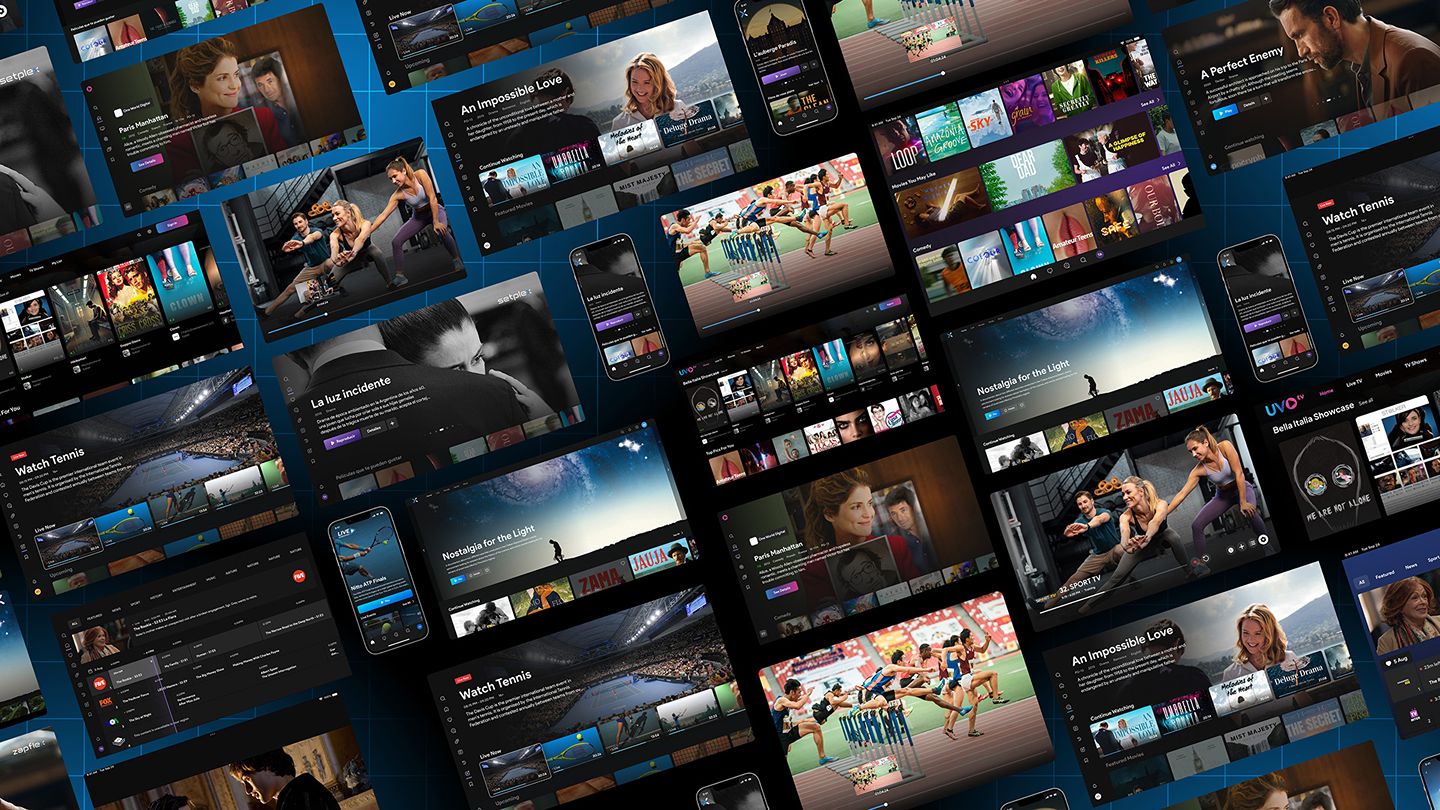
Generative AI (GAI) is paving the way for more innovative streaming business models, according to the latest report from market research firm Parks Associates, in partnership with FPT Software.
Maximizing Returns: Generative AI's Impact on Entertainment, shows that US consumers now spend $73 per month on average on streaming services, an amount similar to the monthly costs of traditional pay TV.
Rising content costs are driving a surge in service consolidation, higher subscription costs for consumers, and higher expenses for streaming providers. To counteract losses, streaming providers are evaluating how they can strategically employ GAI, which has applications across the content lifecycle, from content creation to distribution and consumption, to control costs while still delivering an enhanced and personalized user experience.

Sarah Lee, Research Analyst, Parks Associates, said: “Uses of generative AI include providing a natural language interface for editors and content curators or creating content descriptions of different lengths for different platforms/applications. The automation afforded by generative AI can easily shave off many hours of work for individual contributors – and save expenses for companies.”
According to the report, generative AI opens new paths to streamers for monetization. For example, as streaming providers deploy more ad-based services, they are actively seeking ways to make advertising more interactive and actionable for a viable shoppable experience. Generative AI can expedite the creation and editing of custom ads so ad agencies can easily generate several versions of advertisements to experiment and determine their efficacy among different audiences.
Ira Dworkin, Managing Director - Communications, Media, and Entertainment, FPT Software, said: “Leveraging AI in media and entertainment presents exciting opportunities across the media supply chain, with the promise of significantly reducing both content provider and service provider costs while also improving the end-user experience.”
The white paper highlights concerns around copyright and human rights issues with using GAI, particularly in the media ecosystem. Further, it presents examples of GAI tools already available for use in entertainment and offers guidance on steps media companies can take now to be ready to implement generative AI as these models and tools mature.
“The applications and possibilities that generative AI can create are virtually endless,” Lee said. “The world of AI is evolving quickly and those that evolve along with it will be able to transform their business.”
You are not signed in
Only registered users can comment on this article.

Sunderland’s Crown Works studio moves closer to construction
The final details for construction of a major TV and film studio in Sunderland have been set out in a revised application submitted to the city's planning authority.

World broadcasters meet to prepare for 2028 Olympics and Paralympics
Olympic Broadcasting Services (OBS) has briefed broadcasters on production and technology preparations for the 2028 Olympic and Paralympic Games (LA28).
.jpg)
Paramount and WBD pause merger after legal challenges
Paramount Skydance and Warner Bros. Discovery are to delay their $110bn merger due to pending lawsuits from US states and the Writers Guild of America.

Mediaproxy partners with HVS for US broadcast market
Mediaproxy has named Heartland Video Systems (HVS) as its exclusive partner for US television broadcasting. The Wisconsin-based systems integrator will represent Mediaproxy’s full range of technologies, including LogServer and Monwall, and offer them as part of its installation portfolio.

Zixi and CTA partner for IP-based distribution
Live video delivery and workflow orchestration specialist Zixi and Comcast Technology Solutions (CTS) have announced a strategic new integration to deliver C-band replacement solutions for linear broadcasters and content distributors.